Dr Wells discusses treatment methods — including medicine, holistic care, and supplements — that can be helpful for treating PMS and PMDD.
What Are PMS and PMDD?
Premenstrual Syndrome (PMS) is a range of physical and emotional symptoms that affect most women before their period. It really is a range of different symptoms, and sometimes they can be quite bad.
Premenstrual Dysphoric Disorder (PMDD) is a severe form of PMS that occurs due to an imbalance of hormones. It is a condition we see in many patients of all ages.
While there is a growing body of research on PMDD, it is not thoroughly understood and certainly lacks the attention and resources of other mood disorders to date. There are a limited number of treatments that have been found to be successful in treating PMDD, and many people struggle to find relief.
Understanding your cycle
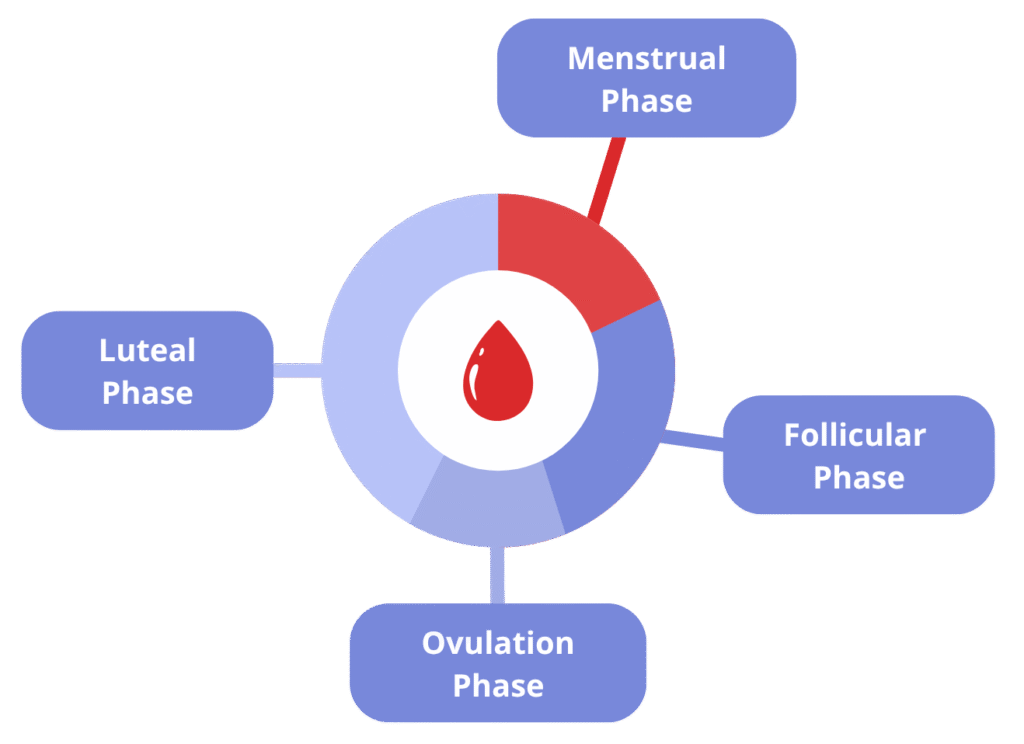
The experience of mood for women is typically very cyclical, often affected by the ups and downs of their menstrual cycle.
During the ovulation phase of the menstrual cycle, a woman may feel excellent – perhaps feeling like 110% or 120% of her usual self. During the luteal phase — the phase after ovulation but before menstruation — hormone levels fall, and mood can take a hit. During that time, women may only feel like 80%, 70%, or 60% of their usual selves. The worst symptoms of PMS and PMDD occur during this luteal phase.
Medical Treatments
Some medical treatments are prescribed for, and can help with, severe PMS and PMDD.
Hormonal
If symptoms are severe enough, doctors such as an OB/GYN or primary care provider may suggest an oral contraceptive pill to level out hormones throughout the cycle. Often, this will be prescribed on a 3-month or 6-month cycle rather than monthly, thereby reducing instances of decreasing hormones throughout the year. With this prescription, the patient may only cycle two or four times during the course of that year.
If symptoms are severe enough, patients may also choose to use a hormone blocker to block hormones entirely, basically initiating a menopause. Some patients prefer this dramatic change to the cycling of regular hormones or hormonal contraceptives. This option may be more likely to be offered to patients with other symptoms such as excessively heavy periods or endometriosis.
Psychiatric
Psychiatrists or primary care providers can offer patients a medication like an SSRI during the entire month, or an SSRI only to be used during the luteal phase. SSRIs typically take about six weeks to start working, but for PMS and PMDD, it does seem to be effective when only taken during the luteal phase. There are some SSRIs that have been approved specifically for this purpose. For patients already on an SSRI, it may be as simple as doubling their dose during the luteal phase.
Holistic Treatment
Adaptations that more holistic in nature can help — on their own or alongside conventional medical treatments.
We encourage that patients track their PMS or PMDD symptoms in their personal calendars. When you’ve done this, you can change your expectations for yourself during this time. Something as simple as being aware that you’re not going to feel well so that it doesn’t hit you by surprise can be helpful. You might make sure that the people around you who care about you are also aware of mood changes during that time period.
You may also wish to change what you try to accomplish depending on where you are in your cycle. While we may be able to rally for important activities, regardless of how we feel, we don’t always have to do this. You may choose to avoid signing up for optional activities during your expected period of PMDD symptoms, for instance. You might give yourself more time and leeway to get better sleep, eat better food, and generally take good care of yourself.
It is important to know and expect that this time period is one where you will benefit from extra grace.
Supplements
Supplements can significantly improve symptoms for many people –- and they may be especially useful as part of multi-pronged approach to treating symptoms of PMS and PMDD.
In addition to the recommendations below, more information and access to supplements is available here.
Taken throughout the month
- DIM
DIM is a cruciferous vegetable vegetable supplement that influences estrogen production. DIM has been used for hormone-sensitive cancers such as testicular cancer, prostate cancer, breast cancer, and ovarian cancer, but can also be good for regulating estrogen balance across the month. Some people will notice a difference in their hormonal acne. Many patients will notice a difference in their flow, including decreased length of flow and decreased amount of flow during their period, during the months that they are taking DIM. DIM appears to be somewhat effective for balancing out mood symptoms as well.
- Magnesium
Magnesium can be helpful for balancing your sleep, helping with relaxation, and adapting to stress levels.
- Calcium Carbonate
Calcium carbonate is a recommendation we see frequently in scientific literature. However, we have found that it is very difficult for many patients to take due to its significant constipating side effect.
For sleep
We strongly recommend balancing out sleep during the luteal phase with additional supplements such as:
- Melatonin
- Hops
- Valerian
- Chamomile
- Lavender
Sleep is one of the things patients generally find to be very difficult during their luteal phase. If your sleep is difficult, it is going to make everything else feel very difficult, making you very reactive and decreasing resilience. Optimizing sleep with supplements, intentionally blocking out time for it, and ensuring that sleep routines are good during the luteal phase can be dramatically helpful.
Other supplements
- St John’s-wort
For patients not already on an SSRI or other medication that effects the serotonin system, St Johns-wort can be a good supplement to try during the luteal phase. It is very easy to start, very easy to stop, and readily available.
- Vitamin B12
- Vitamin B9 (folate)
- Vitamin B6
For PMDD, it is important to also generally cover your basics for mental health, such as by ensuring that you are not anemic. If you have PMDD and a very heavy flow, it can be very easy to become anemic within only a few months. Vitamins B12 and B9 (folate) are very important for anemia, and B vitamins can be very important for basic mode overall. Vitamin B6 is excellent for creating serotonin and for general mental health.
- Vitamin D
Vitamin D is another basic supplement that is always important for mood, but can be especially important for patients already struggling with conditions such as PMDD. If your vitamin levels are low, you are not going to have a good mood, which can be especially true for PMS and PMDD.
How do Ketamine, TMS, and other treatments Help With PMDD?
Many patients will come in for ketamine treatment to treat depression, anxiety, and irritability, and when they start feeling better somewhere around the third to fourth ketamine infusion or on the third or fourth day of TMS, they may start to notice that their mood is significantly improved! …except these improvements might not look as good for 5-7 days of the month.
Being aware of how your cycle overlays symptom changes can be important in untangling the various impacts on your mood and in understanding how well different treatments are working.
Unfortunately, ketamine and TMS do not appear to address the causes of PMS or PMDD directly. Hormones are hormones, and these treatments don’t directly impact hormone activity. Managing hormones is a struggle that many women face. While these treatments may help treat the mood struggles caused by PMS or PMDD or that get worse during the down portion of a cycle, they don’t address the hormone swings themselves. If hormone fluctuations are resulting in large mood changes, they likely need to be addressed with some combination of conventional and holistic approaches before you can start to feel optimal all month long.
Treatments for mood, including interventional treatments like ketamine and TMS, may be able to help with symptoms of PMS and PMDD, but other treatments and approaches designed specifically to address the root causes of symptoms associated with your menstrual cycle should be a key part of a comprehensive care plan.
More Resources
About Us
Wells Medicine is a Houston-based practice designed to provide meaningful care for mental health. Providing targeted interventional treatments for Depression, Anxiety, OCD, PTSD and other conditions, with Ketamine Treatments, Stellate Ganglion Blocks, TMS, and Nitrous-Oxide Treatments. Focused on comprehensive care and integration with Psychiatry, Psychology, and Support Services. We are evidence-based, patient-focused and mission-driven.
The content here is for informational purposes and should not be relied upon for medical decisions. For the details of your specific medical conditions and treatments consult your doctors or other qualified healthcare professionals.