Stellate ganglion block for Long COVID
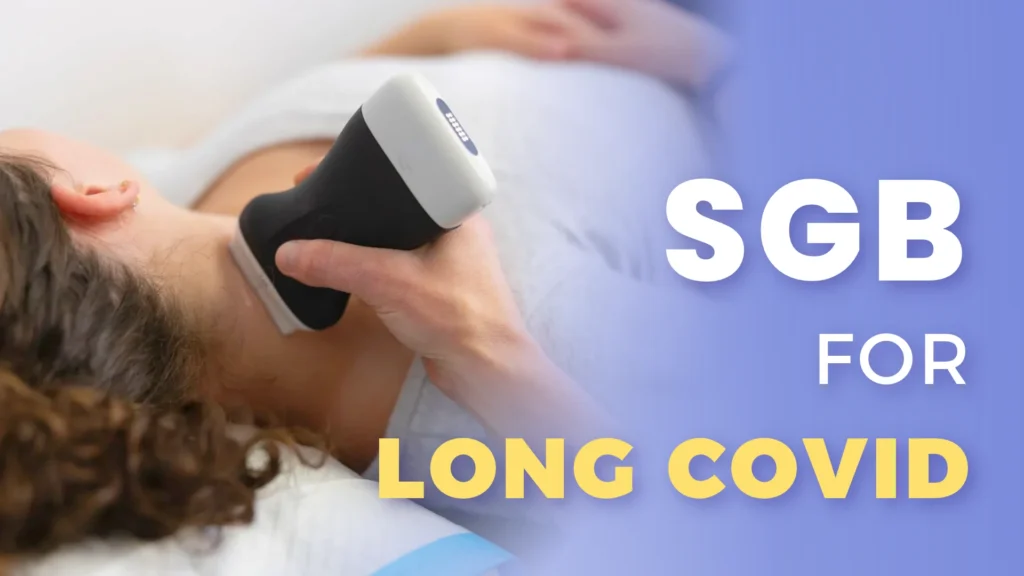
Stellate ganglion blocks show promise in the treatment of Long COVID and chronic fatigue syndromes, as indicated by small studies and anecdotal reports.
Stellate ganglion blocks show promise in the treatment of Long COVID and chronic fatigue syndromes, as indicated by small studies and anecdotal reports.
Many people notice relief right away, and results often last 3 to 6 months or longer.

There are some chronic pain conditions where ketamine can help provide relief, and some where ketamine may not be the best choice.

One-Day and One-Week TMS are accelerated versions of TMS. They are designed to be fast-acting and more accessible for patient’s schedules. There are some differences in how these treatments work and what they can treat.
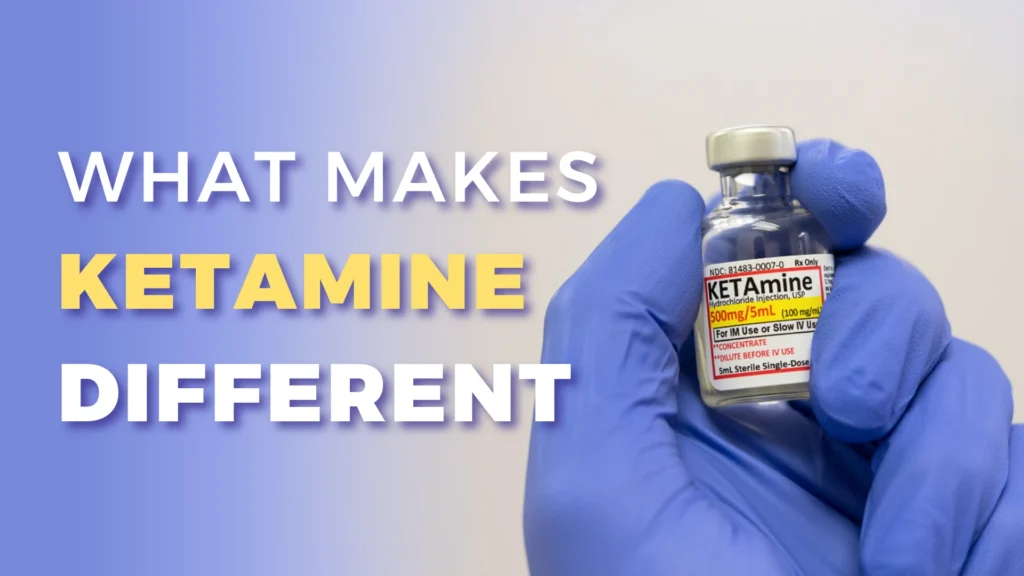
Ketamine is different than antidepressant medications like SSRIs and SNRIs. It works by increasing neuroplasticity — in a way that is faster and more effective at treating depression.
Ketamine is a powerful antidepressant that can provide rapid relief for 70-80% of patients. However, some conditions may make a patient a poor candidate for ketamine treatment.
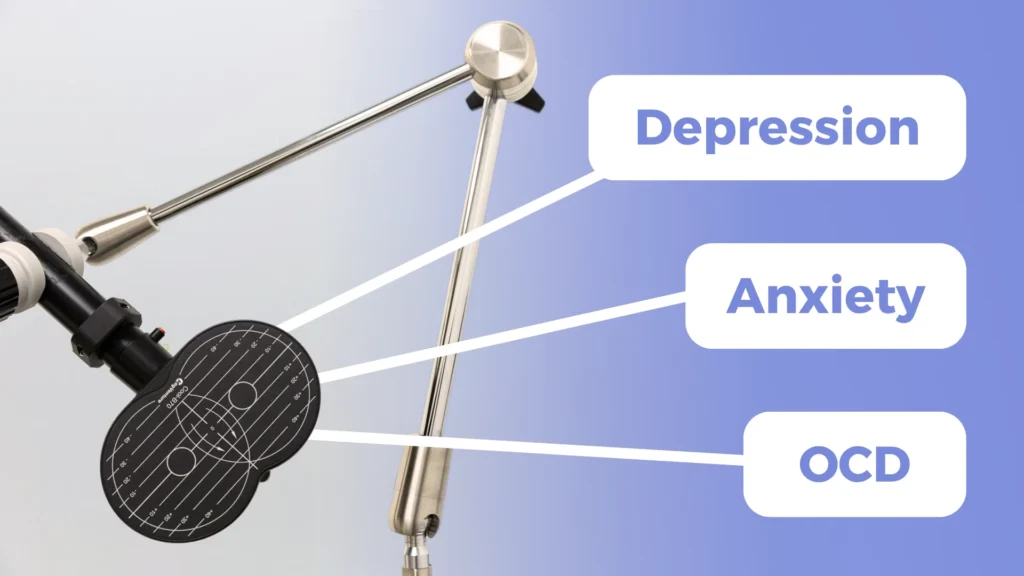
About half of all people living with a mental health condition also meet the criteria for at least one other condition. This overlap, called comorbidity, can make finding the right treatment option more difficult. Transcranial Magnetic Stimulation (TMS) can be an effective treatment option for comorbid conditions, and there are several ways to use TMS to treat more than one condition in these cases.
Ketamine and accelerated TMS are advanced interventional treatments that may provide significant benefits for symptoms of depression, anxiety, PTSD, and OCD. There are key differences that can help guide a decision when comparing these two treatments.
There are important safety standards any clinic should uphold that is providing ketamine treatment.
There are some things to look out for when you’re searching for a ketamine infusion provider. Here’s our advice, based on more than a decade of experience.
We believe in staying in the present moment. However, it is important to also be able to see things from a wider perspective.
‘Happiness’ may not actually be what you are looking for after depression. Get specific, and determine what peace and contentment look like for you.
When you’re starting a new treatment, it’s a great time to review any other factors that have an influence on your mental health.
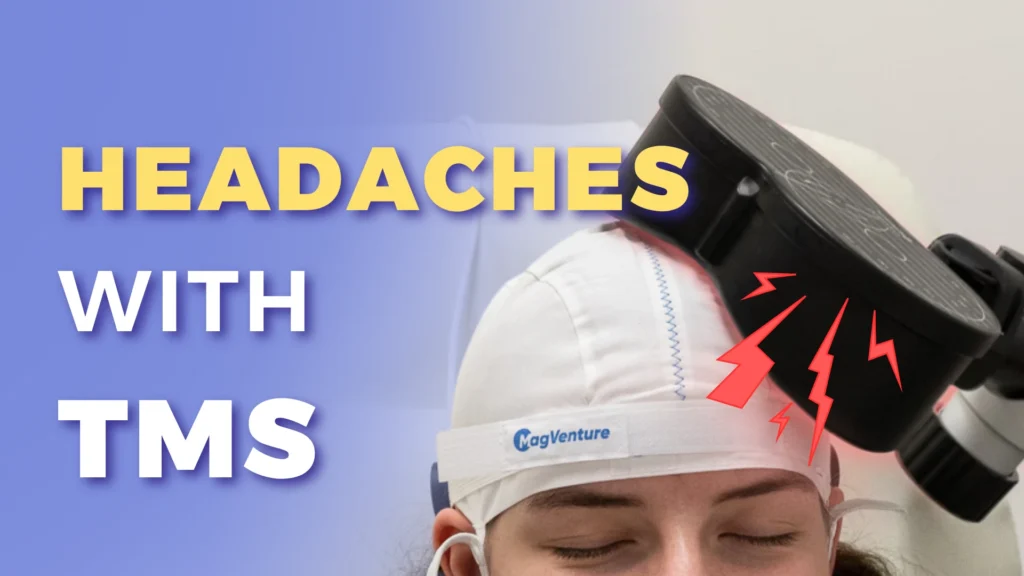
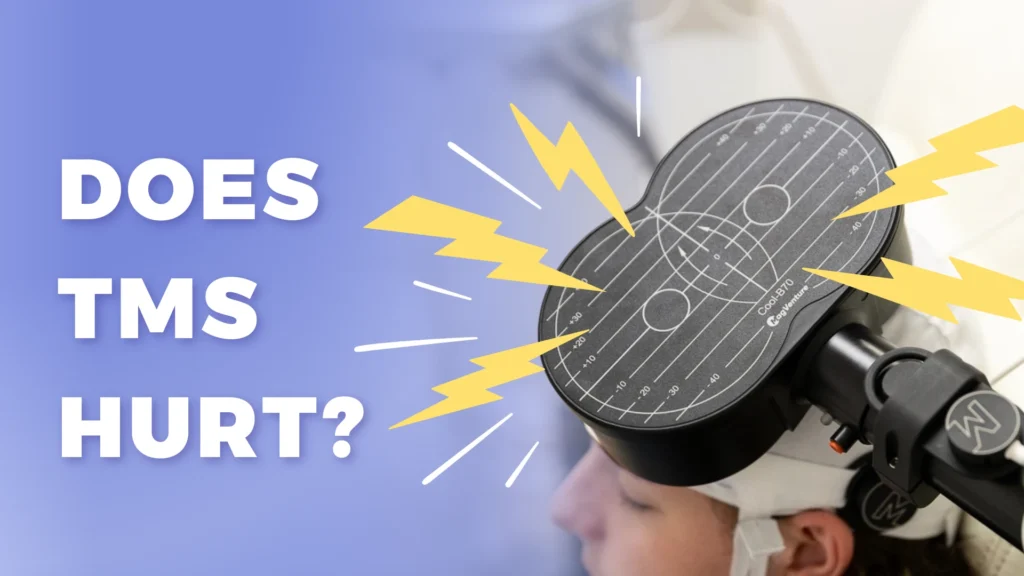
TMS is non-invasive, convenient, and generally well-tolerated – often with minimal side effects. Temporary headaches are the most common side effect of TMS. The magnetic stimulation targets neurons in the brain; however, nearby facial muscles and nerves can also be affected. The contracting of these areas can be a cause of headaches during and after treatment. TMS technicians can adjust treatment to minimize discomfort, Tylenol and Advil can help, rest and hydration can help, and any headache pain should subside with time following treatment.
Ketamine is already effective on it’s own — but it can become more effective and its benefit longer-lasting through the aid of therapy and integration work.
Spend 30 minutes every day to maintain your mental health. Here are some exercises you can try.
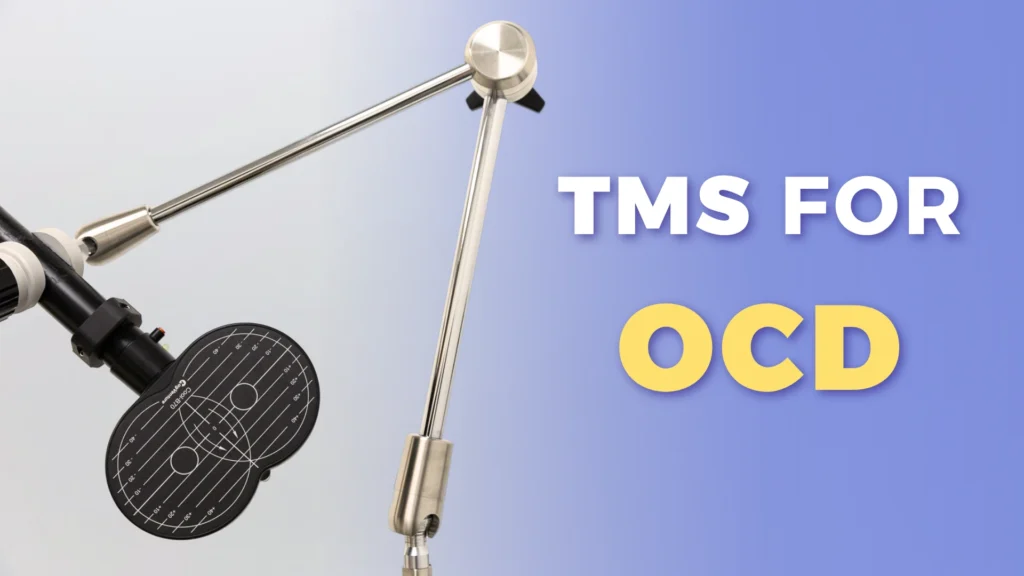
Originally used to treat depression, Transcranial Magnetic Stimulation (TMS) has proven to be a transformative treatment option for many people with Obsessive Compulsive Disorder (OCD). Wells Medicine offers accelerated TMS protocols designed to target severe and treatment-resistant OCD symptoms, providing a path toward rapid and lasting relief.
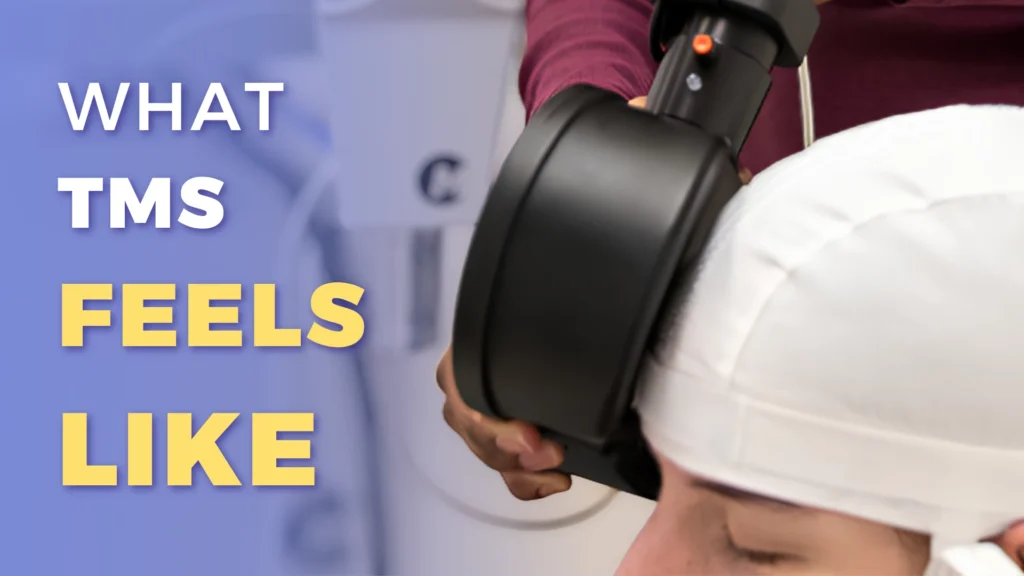
During TMS treatments you’ll hear the machine and you may feel mild sensations, some muscle twitching, or nothing at all. After treatment you may notice some temporary headache pain or scalp discomfort. The experience can be a bit odd, but it is broadly well tolerated and generally comfortable.

Ibogaine is a powerful psychedelic with the potential to treat mental health conditions including addiction and PTSD. Early research shows great promise, but further study is needed to make treatment as safe and effective as possible.
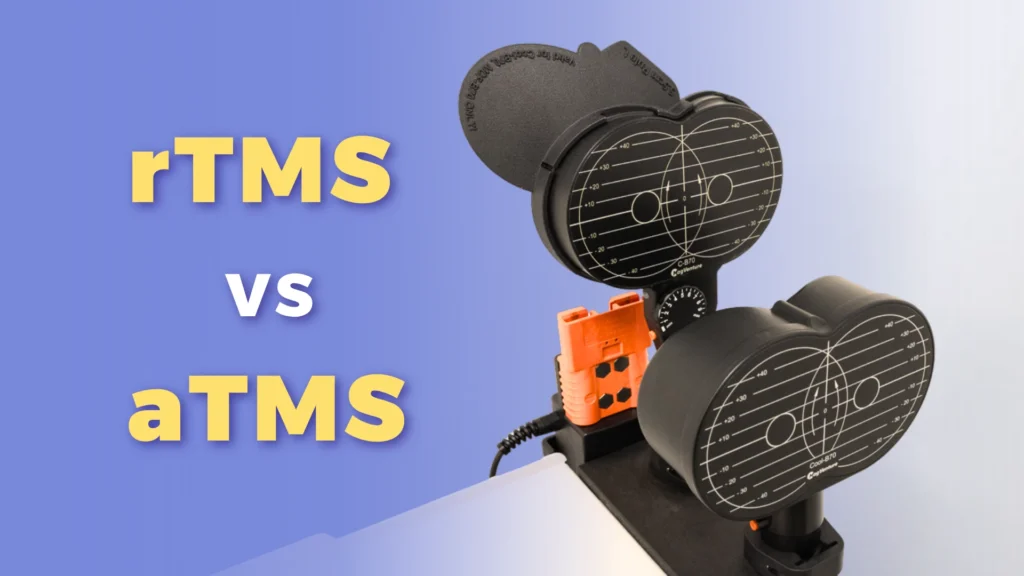
TMS treatment is evolving, and patients now have more options to fit their lifestyle and mental health needs. New protocols provide effective symptom relief and require less time in the office. Both repetitive and accelerated TMS are great for treating severe or treatment-resistant symptoms of depression, anxiety, OCD, and other mood disorders.
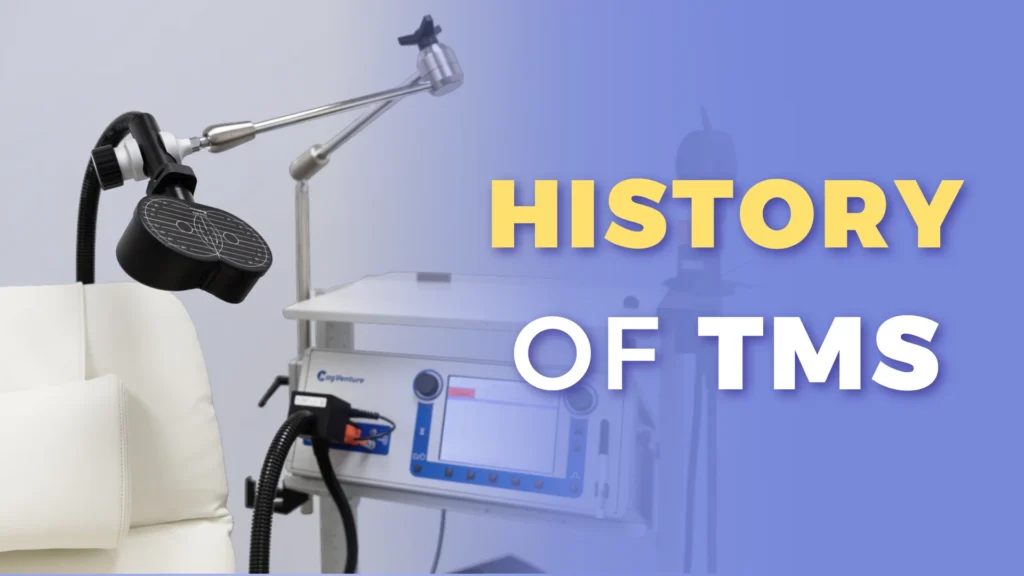
TMS is an advanced treatment option, originally developed in the 1980s, with a growing body of research and use. Therapeutic use has expanded beyond depression for the treatment of additional conditions and symptoms, with a variety of machines, and a growing selection of protocols.
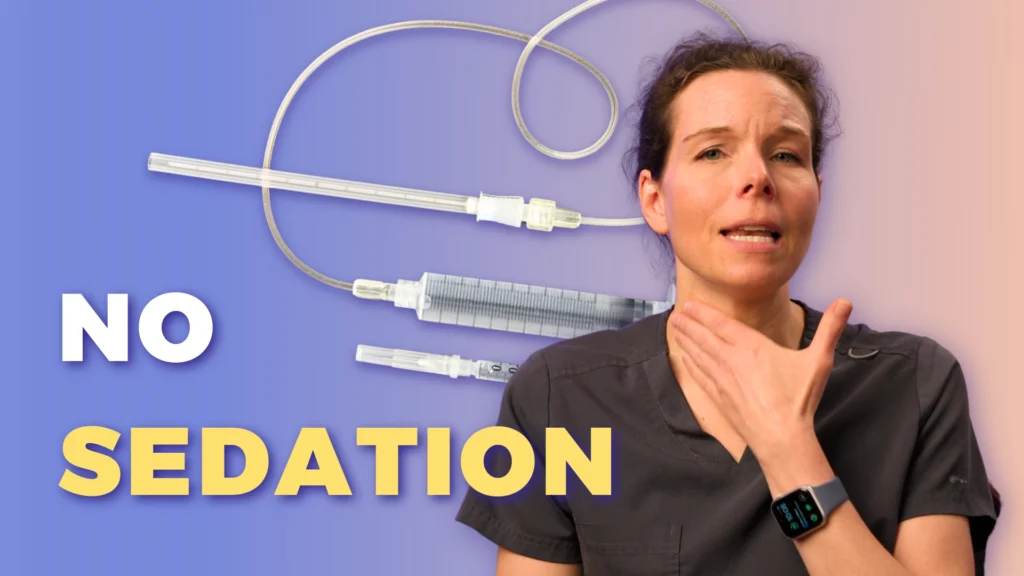
We don’t use sedation to administer stellate ganglion blocks. Here’s why you don’t need sedation, and what we do to make the procedure as comfortable as possible.
Just like it takes regular exercise to maintain physical health, it requires a little bit of work every day to maintain your mental health.
Journaling after ketamine treatment can help you get the most out of your infusions.
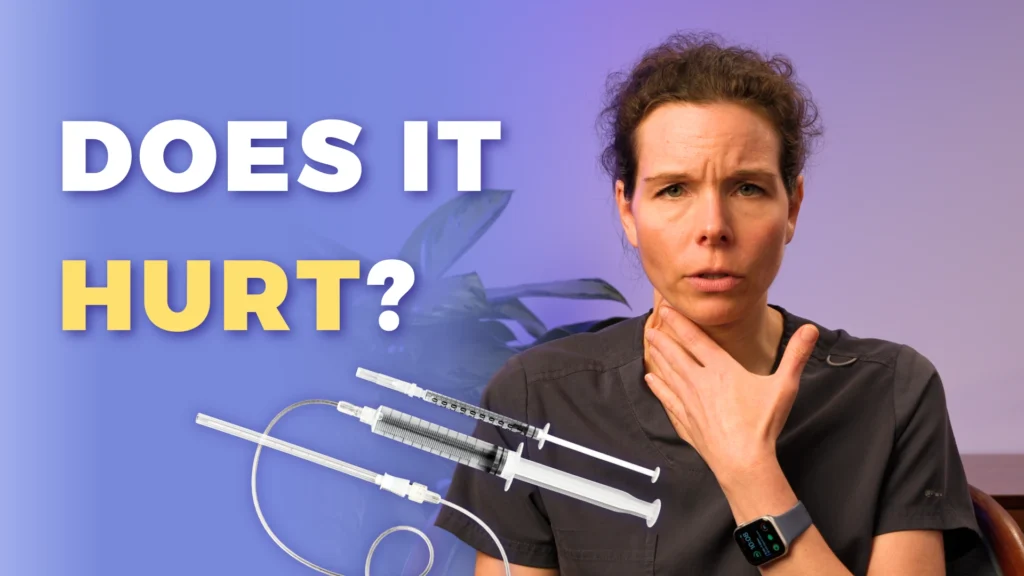
Stellate ganglion blocks feel a bit like a flu shot, and we’ll guide you through the procedure the whole time.
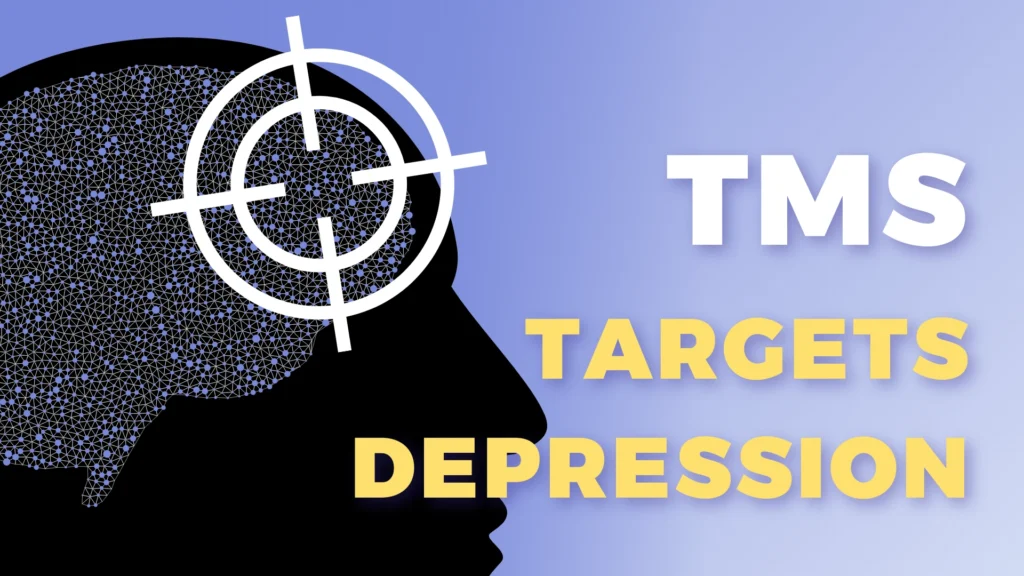
TMS is focused and targeted — it targets one specific condition in one specific region of the brain.

Sometimes you need to replace the batteries, and sometimes there is an actual fire. Emotional pain may be an indicator that there is a larger problem going on in your life that needs to be dealt with.

Before ultrasound or x-ray, stellate ganglion blocks were done entirely by feel. You can still use these techniques to find where your own stellate ganglion is located.
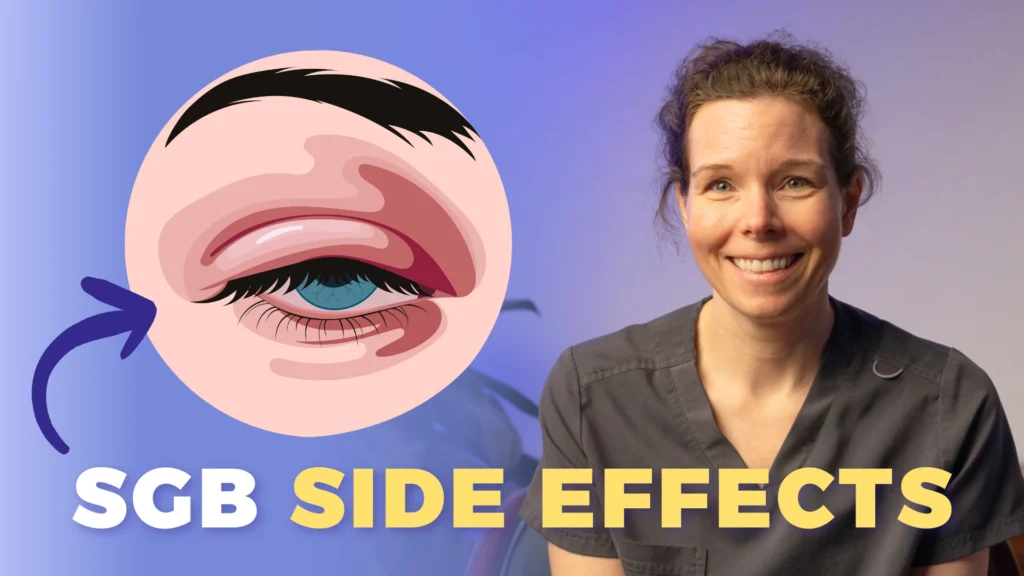
We expect to see some side effects following a stellate ganglion block, and they are a good way to know that the procedure has been done correctly.
For those experiencing sleeplessness and anxiety, progesterone is an easy and often-overlooked medication that can be a great help during perimenopause and menopause.

Stellate ganglion blocks reduce the stress response of traumatic memories, but they do not alter your memories of your traumatic experiences.
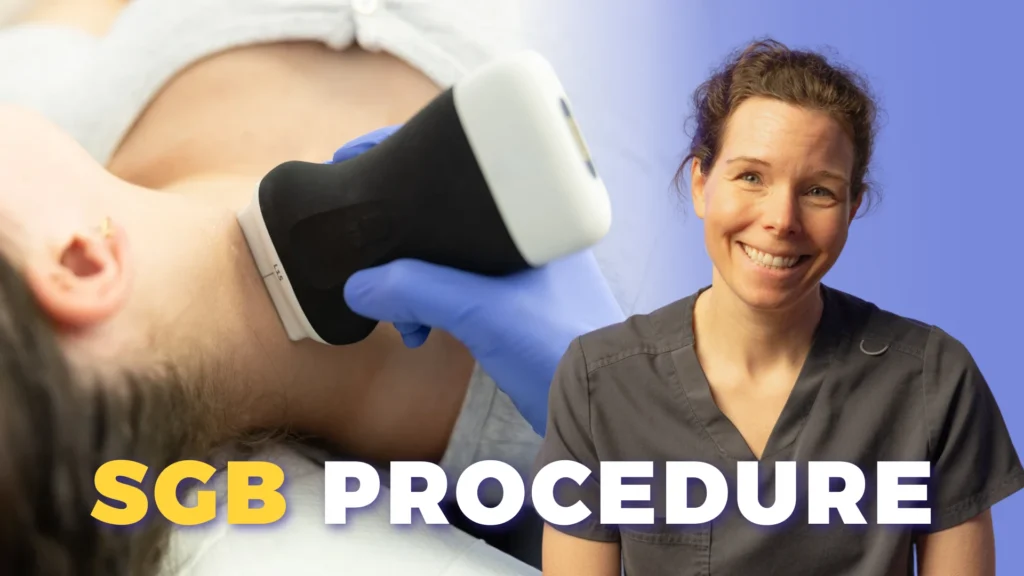
The procedure for a stellate ganglion block, broken down step-by-step.

New research on GLP-1 medications has found mood side effects of depression and suicidal ideation. This new data may influence the conversation of whether GLP-1 medications are right for you.

It can be difficult to follow through with doing the activities we know would be good for us. To sustain a healthy habit, make it as easy to fall in to as possible.
Treatment-Resistant Depression does not mean that your depression is inherently worse or more difficult to treat — just that you haven’t found the right medication yet.

Ozempic and other GLP-1 medications can be effective for managing diabetes and weight loss, but do they also have an impact on mood and mental health?

A simple linguistic trick can help you create distance between yourself and your thoughts, and make difficult thoughts a lot more bearable.

The end of the year can bring with it existential feelings. This is a good time of year to lean into existentialism and explore those meanings, and uncover what is valuable to you.
The holidays bring with them disruptions to your schedule and routines. It is important to protect and maintain the healthy habits that are important for your physical and mental health.

The winter holidays may also be accompanied by Seasonal Affective Disorder. These are strategies that can help with managing seasonal depression.

Returning to families of origin during the holidays can trigger traumas and re-ground your nervous system into a past, traumatic state. You have a few options in how you choose to move forward with difficult relationships.
Comparing ourselves to an idea of what the holidays “should” look like can set us up for failure and disappointment. Take a step back to consider your values and what is actually important to you.

The holidays can be difficult for anyone, even if you love the winter season. There are some common factors that can make this time of year especially difficult.
Too much of the world is focused on efficiency. We encourage you to take a moment to slow down and focus — to experience the small, mundane moments of everyday life through aimlessness.

The arrival of winter can sometimes bring with it Seasonal Affective Disorder. Techniques including vitamin D supplementation, light therapy, and a perspective shift around the winter season can help you get through the colder days.
It’s not possible to avoid pain in life completely. However, the way that we think about our pain can make a big difference in how we experience suffering.
Playing video games can be a lot of fun, but the amount of time you spend doing it can have a negative impact on your mental health.
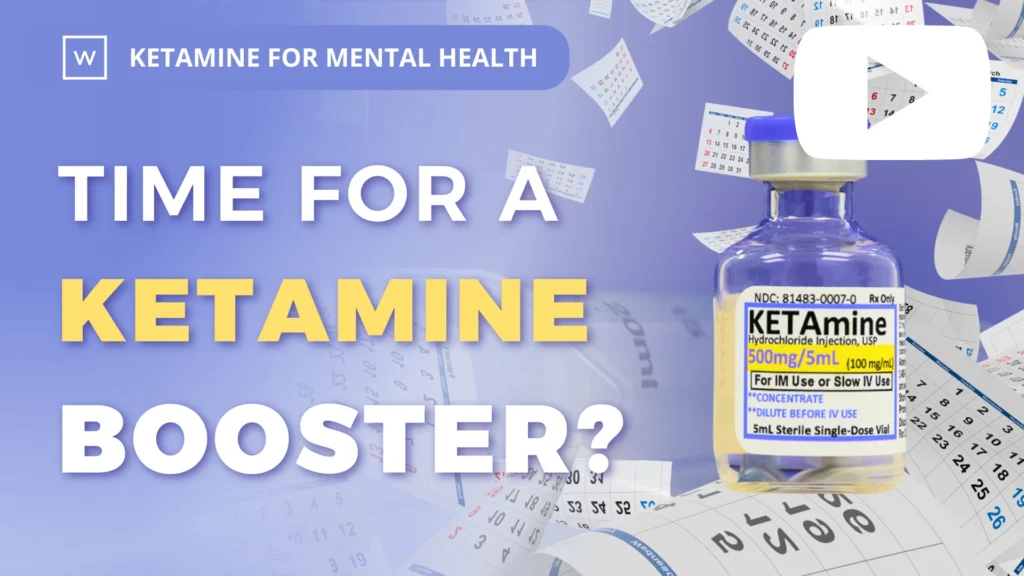
If you are returning to ketamine treatment after a long break, you may need to start with more than one infusion to find relief.

The skills and resources you develop during treatment make you into a different person, with different ways of handling the challenges of mental health.