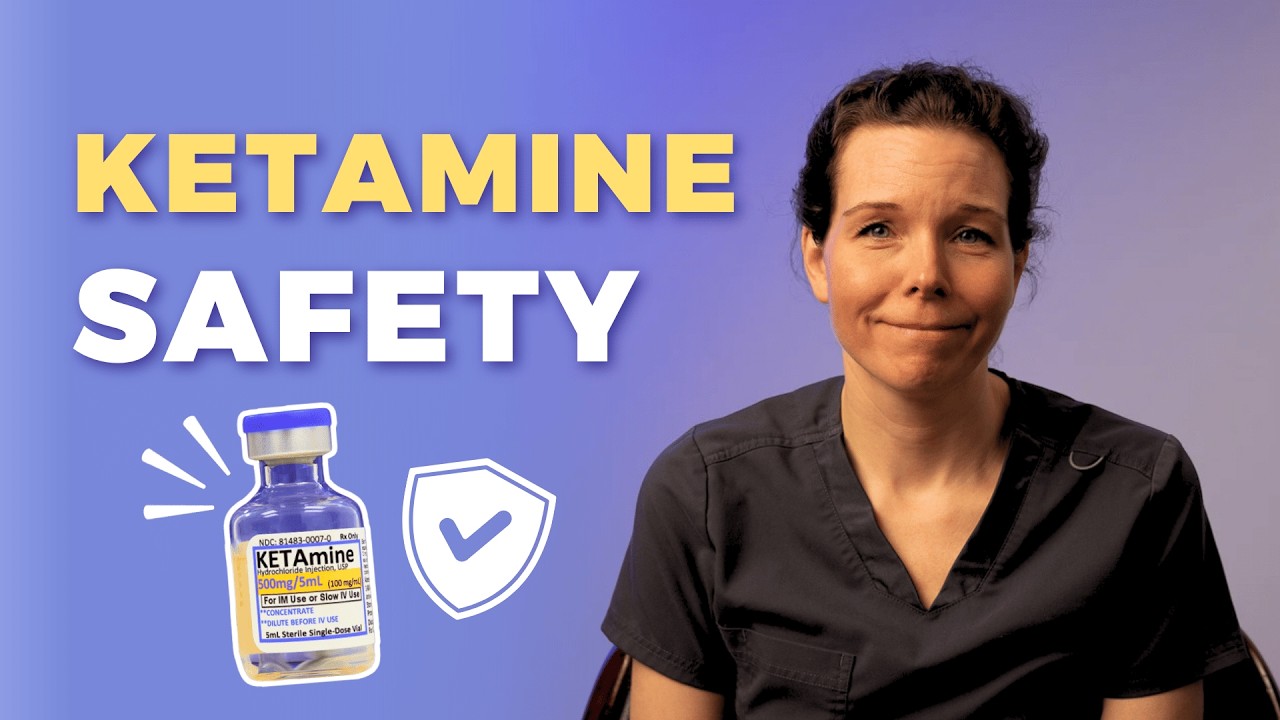
Administering ketamine safely

How We Keep Ketamine Treatment as Safe as Possible

There are important safety standards any clinic should uphold that is providing ketamine treatment.

Published standards

For any clinic providing ketamine infusions, there are standards that should be upheld to ensure the safety of patients receiving treatment. Some of these standards are spelled out clearly in writing, depending on where and in what state that clinic is providing treatment.

In the state of Texas, there are office-based anesthesia guidelines provided by the Texas Medical Board that specifically address the IV administration of anesthetic agents, including ketamine.

Among others, some of these guidelines include having:

  • Advanced cardiac life support (ACLS) training
  • Basic life support (BLS) training, held by a second person who is in the clinic at all times
  • An advanced cardiac life support (ACLS) cart with basic ACLS medications
  • Medications for heart rhythms, antiarrhythmics, and allergies
  • AED or Automated External Defibrillator
  • Advanced airway training
  • A plan for how to contact emergency support services
  • A plan for various emergency scenarios, such as a bomb threat or environmental catastrophe

Common-sense safety

In addition to published standards, there are many common-sense safety measures that we have in place to ensure the safety and comfort of patients.

These include:

  • Doorbells or call bells — patients should be able to reach a provider without needing to use advanced mental skills or language of vocabulary
  • Controlled infusion pumps that continuously deliver the infusion dose at a set rate — controlled delivery gives practitioners greater control over the administration of medication and ensures a smoother experience for the patient
  • Precise dosing — the use of tuberculosis syringes, or one milliliter syringes, allow for a very precise dose of ketamine
  • Optimal individualized dosing — the dose of ketamine should be optimized for each individual patient, beyond the standard 0.5 mL/kilo dose
  • Dosing administration expertise — providers should be familiar with how to draw up, measure, and create a dose range for patients in milliliters/kilogram

There are some safety measures that may not be required for every patient or for every infusion, but are important to have available when needed. Providers should have the experience necessary to gauge when patients might benefit from these additional safety measures according to their medical history.

  • Blood pressure monitoring & medications to raise or lower blood pressure as needed
  • Oxygen monitoring & the capacity to deliver oxygen as needed
  • EKG monitoring

These are some of the safety standards — established by governing medical bodies and established through years of experience providing ketamine treatment — that should be practiced in order to ensure the safety and comfort of patients receiving ketamine treatment.

About Us

Wells Medicine is a Houston-based practice designed to provide meaningful care for mental health. Providing targeted interventional treatments for Depression, Anxiety, OCD, PTSD and other conditions, with Ketamine Treatments, Stellate Ganglion Blocks, TMS, and Nitrous-Oxide Treatments. Focused on comprehensive care and integration with Psychiatry, Psychology, and Support Services. We are evidence-based, patient-focused and mission-driven.

The content here is for informational purposes and should not be relied upon for medical decisions. For the details of your specific medical conditions and treatments consult your doctors or other qualified healthcare professionals.