

Why we use symptom questionnaires
Questionnaires we administer in the clinic — and the ones you take between visits on your own — can be helpful in tracking your progress and planning your treatments.
Questionnaires we administer in the clinic — and the ones you take between visits on your own — can be helpful in tracking your progress and planning your treatments.
What if you’re looking for an interventional mental health treatment that seems like something we might offer, but isn’t listed as one of our provided treatments? We may still be able to provide it for you.
People of all ages may benefit from interventional treatments for mental health, but there are some extra considerations for children and teenagers, and for much older people as well.
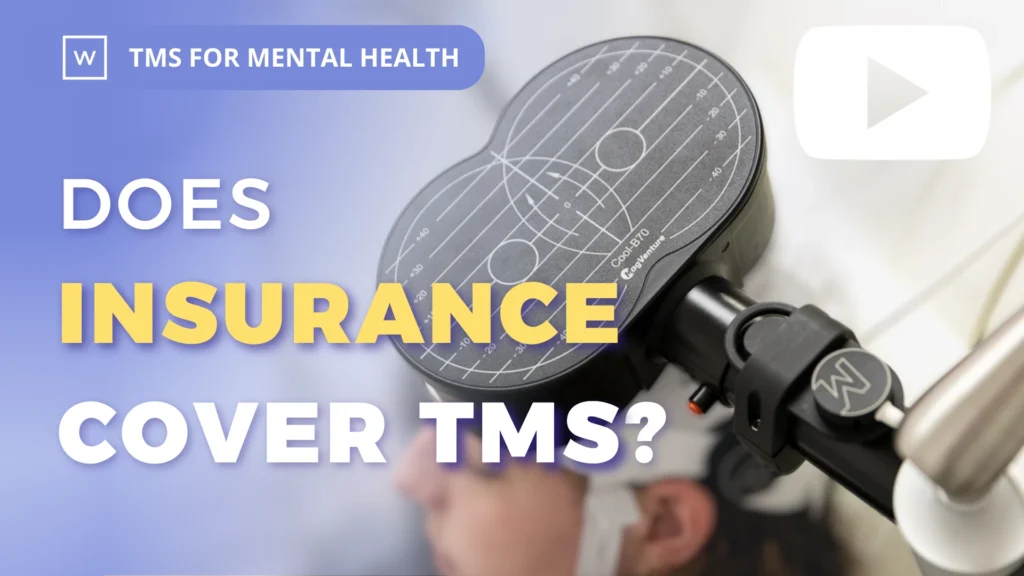
Insurance covers TMS in some cases but coverage is limited. Insurance is unlikely to cover advanced protocols, rapid treatments, complex cases, off-label indications, or other conditions and indications. A direct patient care model can offer the best available approach to TMS without insurance.

From primary research, through work in anesthesia – Dr Allison Wells’ background led to Wells Medicine and extends through our work toward the best available interventional mental health care for our patients.

For ketamine treatments, we ask that you refrain from driving after treatment, which means you’ll need a ride home following your appointment. For most other treatments at our office, you may drive yourself after your appointment.

Can you bring someone with you to your appointment? Yes — and their presence during treatment is up to you.
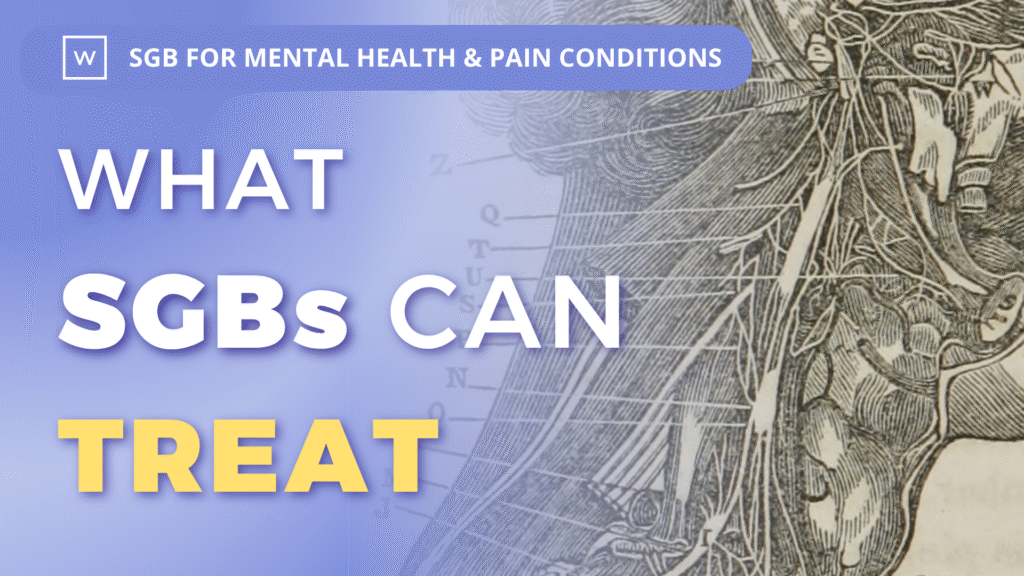
The Stellate Ganglion Block – also called SGB, sympathetic nerve reset, dual sympathetic reset, or sympathetic block – targets the sympathetic nervous system. Often employed for pain relief, stellate ganglion blocks have increasingly been used for PTSD and other mental health conditions with fast-acting and impressive results.
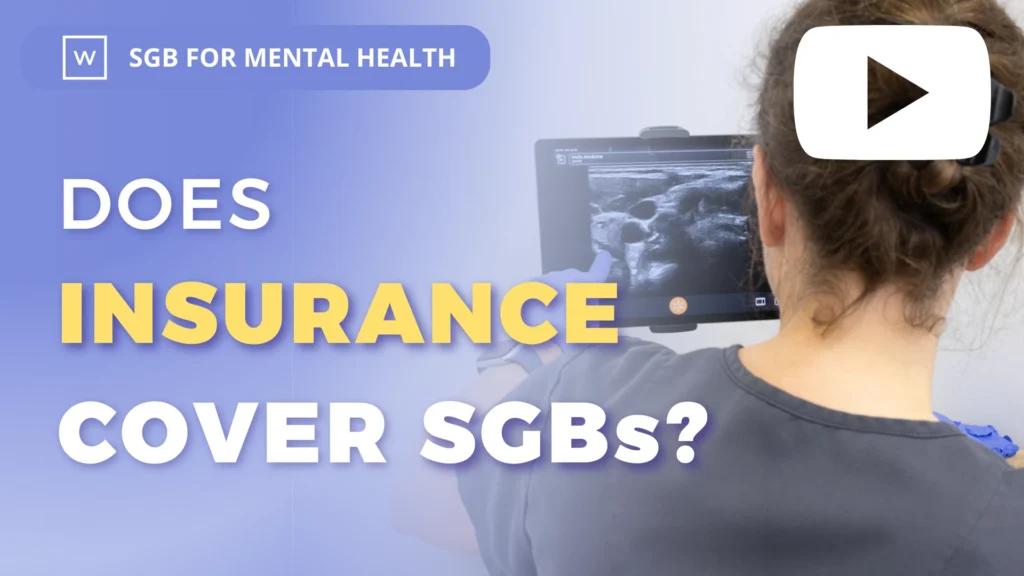
Insurance does not generally cover stellate ganglion blocks for mental health. The procedure is well established, but generally only covered for use in pain conditions (and even then it may not be consistently covered). It remains an excellent treatment option — especially considering its effectiveness and durability.
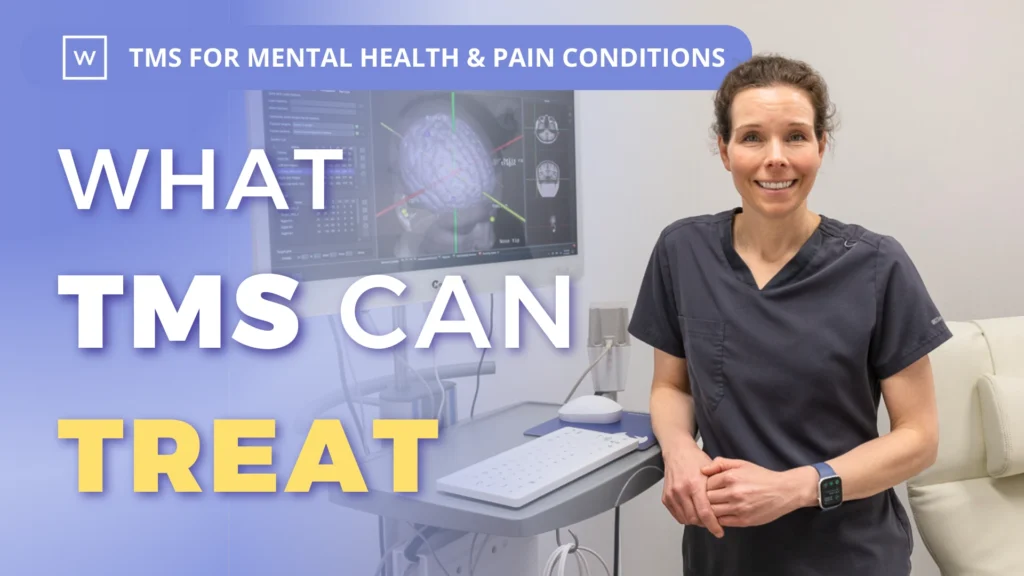
TMS leverages sophisticated equipment and targeted protocols to deliver great results for depression, anxiety, OCD, and other conditions. Growing fundamental and clinical data support more ways to help more people with a wider range of conditions and symptoms.
TMS can be an excellent option for many people, often providing good results even when other treatments may not have worked.

Ketamine was originally developed for anesthesia and analgesia. It has a long history as an extremely safe and effective drug and continues to be used widely for medical procedures and emergency medicine around the world.
A substantial and ever-growing body of research and clinical evidence has shown that ketamine is extraordinarily effective at treating depression, anxiety, and other conditions — with high rates of success, with strong and durable results, and for many people with treatment-resistant symptoms.
As research expands, our understanding of what ketamine may be used to treat continues to expand.
Interventional treatments may be useful and appropriate options for postpartum depression and other mental health conditions during pregnancy and breastfeeding.

Dr Wells explains why Wells Medicine does not accept insurance and discusses ways of pursuing coverage on your own.

FDA approval may influence insurance coverage for a treatment or medication, but they aren’t directly related.

Dr Wells shares why we love interventional treatments for mental health.

Dr Wells shares what mission-driven medicine means to us at Wells Medicine.

Dr Wells discusses referrals and why Wells Medicine does not require them for new patients.
