Where ketamine can (and can’t) help with chronic pain
There are some chronic pain conditions where ketamine can help provide relief, and some where ketamine may not be the best choice.
There are some chronic pain conditions where ketamine can help provide relief, and some where ketamine may not be the best choice.

One-Day and One-Week TMS are accelerated versions of TMS. They are designed to be fast-acting and more accessible for patient’s schedules. There are some differences in how these treatments work and what they can treat.
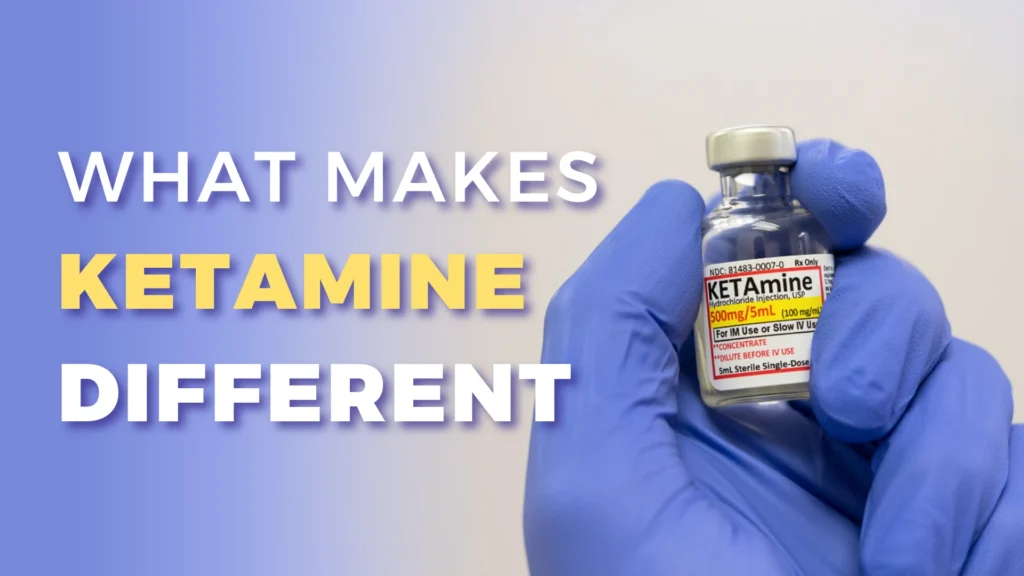
Ketamine is different than antidepressant medications like SSRIs and SNRIs. It works by increasing neuroplasticity — in a way that is faster and more effective at treating depression.
Ketamine is a powerful antidepressant that can provide rapid relief for 70-80% of patients. However, some conditions may make a patient a poor candidate for ketamine treatment.
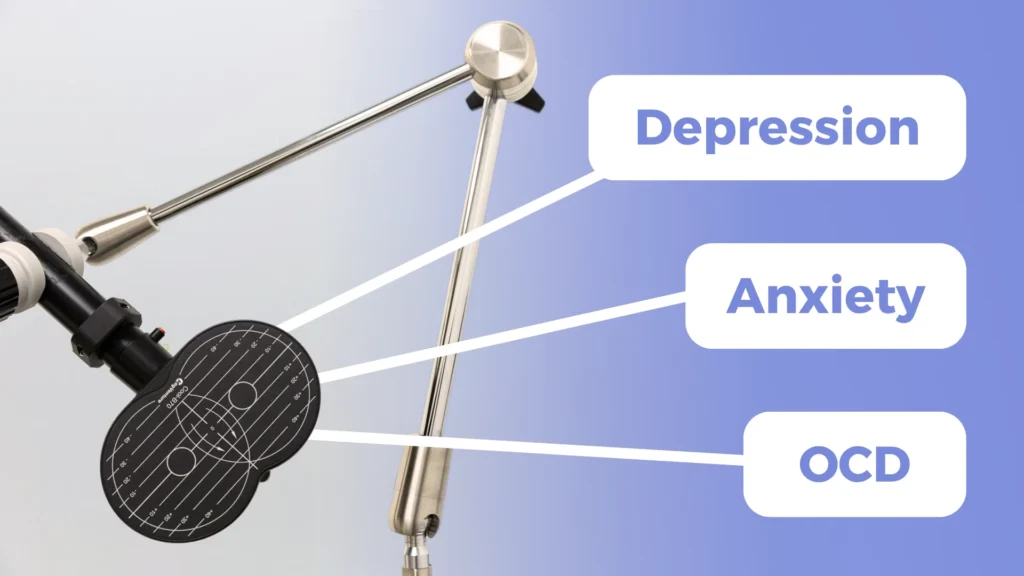
About half of all people living with a mental health condition also meet the criteria for at least one other condition. This overlap, called comorbidity, can make finding the right treatment option more difficult. Transcranial Magnetic Stimulation (TMS) can be an effective treatment option for comorbid conditions, and there are several ways to use TMS to treat more than one condition in these cases.
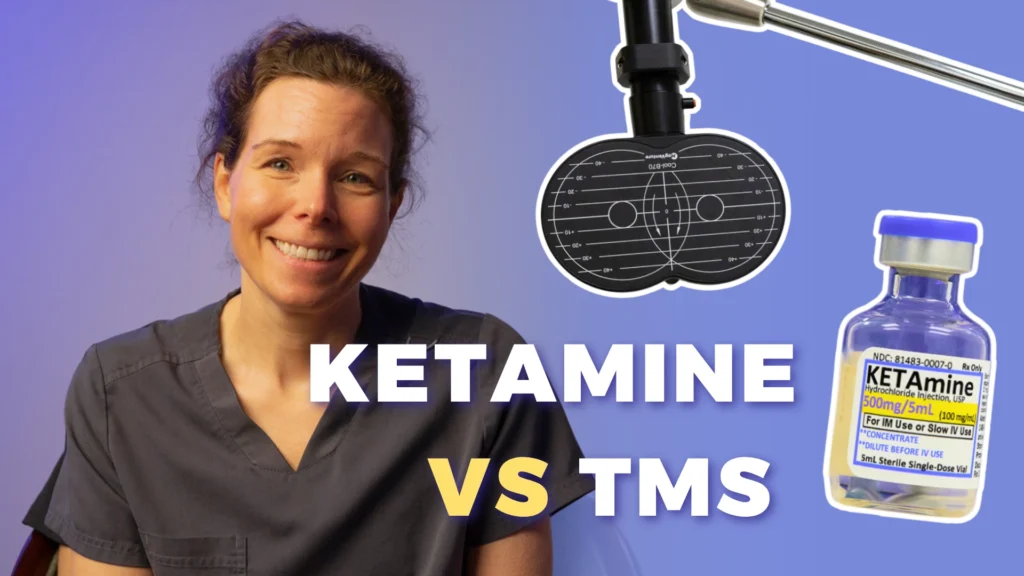
Ketamine and accelerated TMS are advanced interventional treatments that may provide significant benefits for symptoms of depression, anxiety, PTSD, and OCD. There are key differences that can help guide a decision when comparing these two treatments.
There are important safety standards any clinic should uphold that is providing ketamine treatment.
There are some things to look out for when you’re searching for a ketamine infusion provider. Here’s our advice, based on more than a decade of experience.
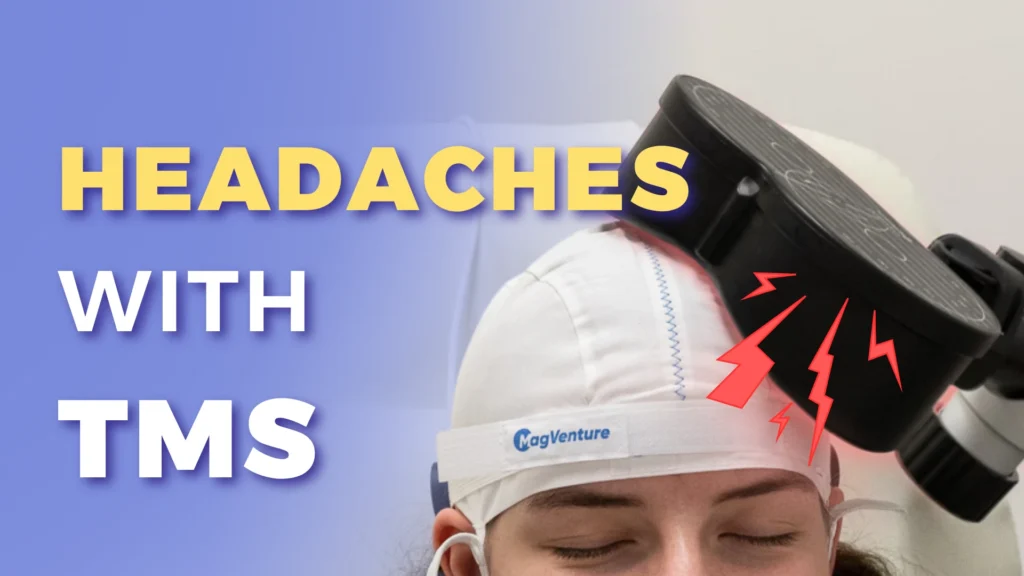
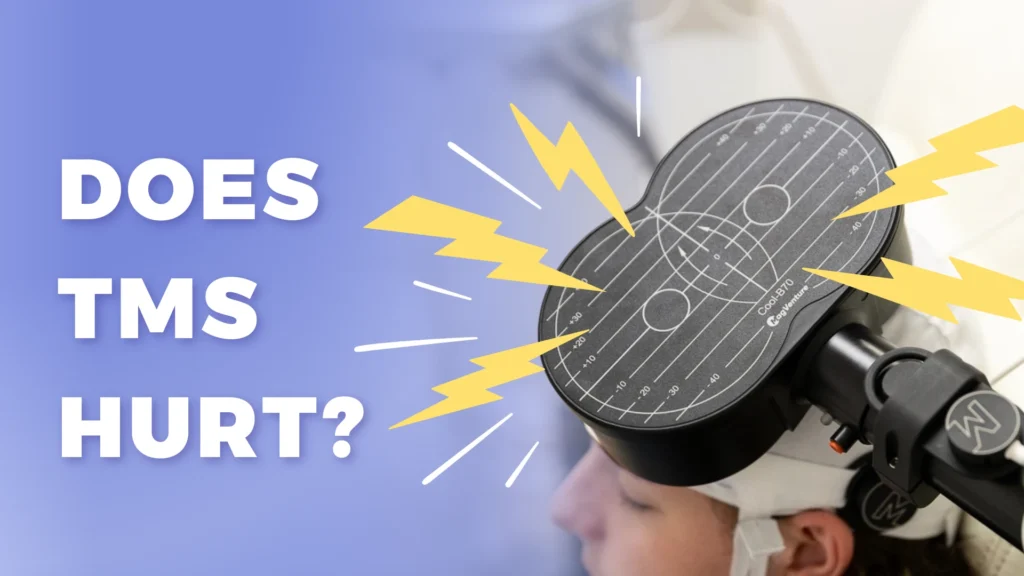
TMS is non-invasive, convenient, and generally well-tolerated – often with minimal side effects. Temporary headaches are the most common side effect of TMS. The magnetic stimulation targets neurons in the brain; however, nearby facial muscles and nerves can also be affected. The contracting of these areas can be a cause of headaches during and after treatment. TMS technicians can adjust treatment to minimize discomfort, Tylenol and Advil can help, rest and hydration can help, and any headache pain should subside with time following treatment.
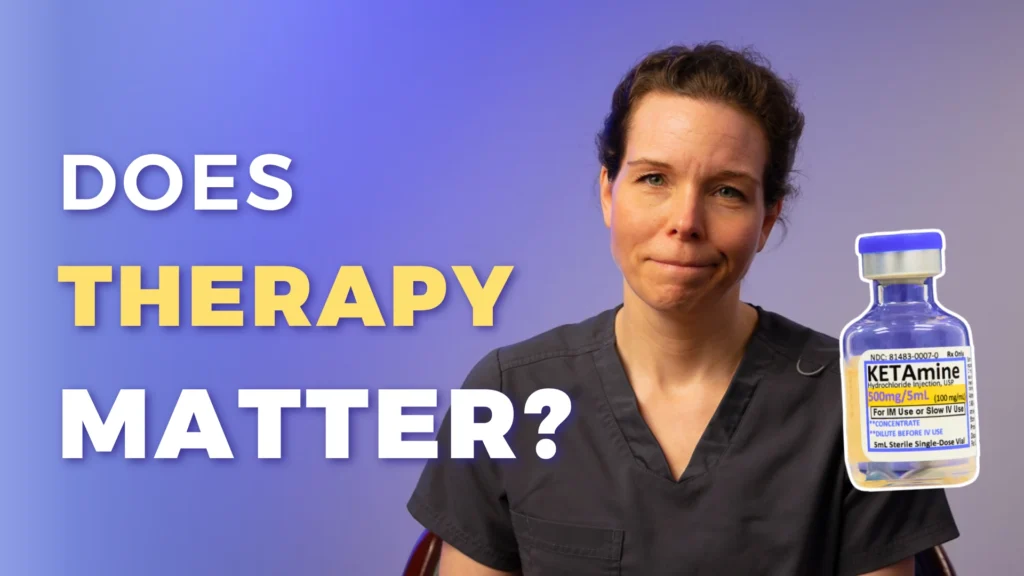
Ketamine is already effective on it’s own — but it can become more effective and its benefit longer-lasting through the aid of therapy and integration work.
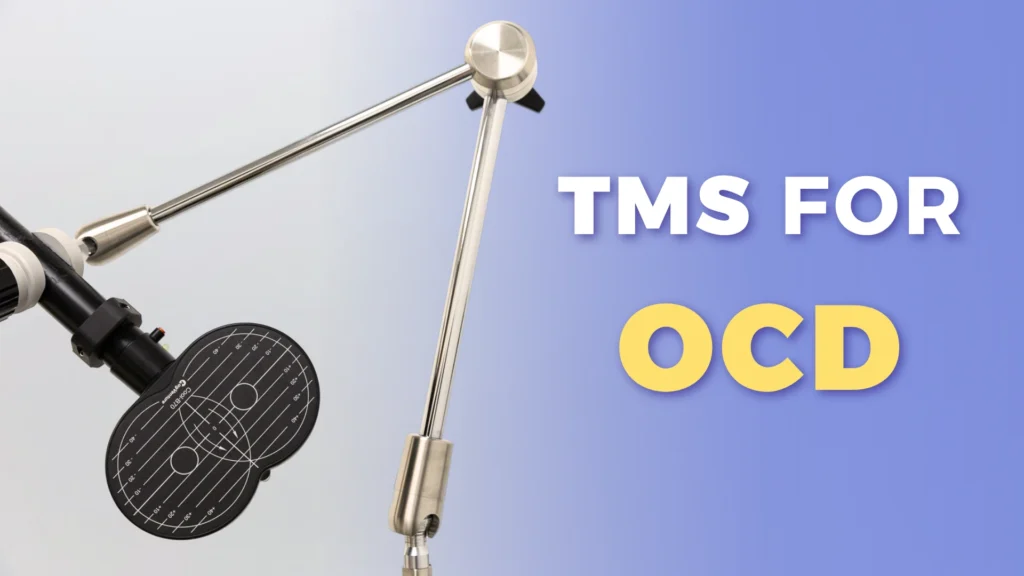
Originally used to treat depression, Transcranial Magnetic Stimulation (TMS) has proven to be a transformative treatment option for many people with Obsessive Compulsive Disorder (OCD). Wells Medicine offers accelerated TMS protocols designed to target severe and treatment-resistant OCD symptoms, providing a path toward rapid and lasting relief.
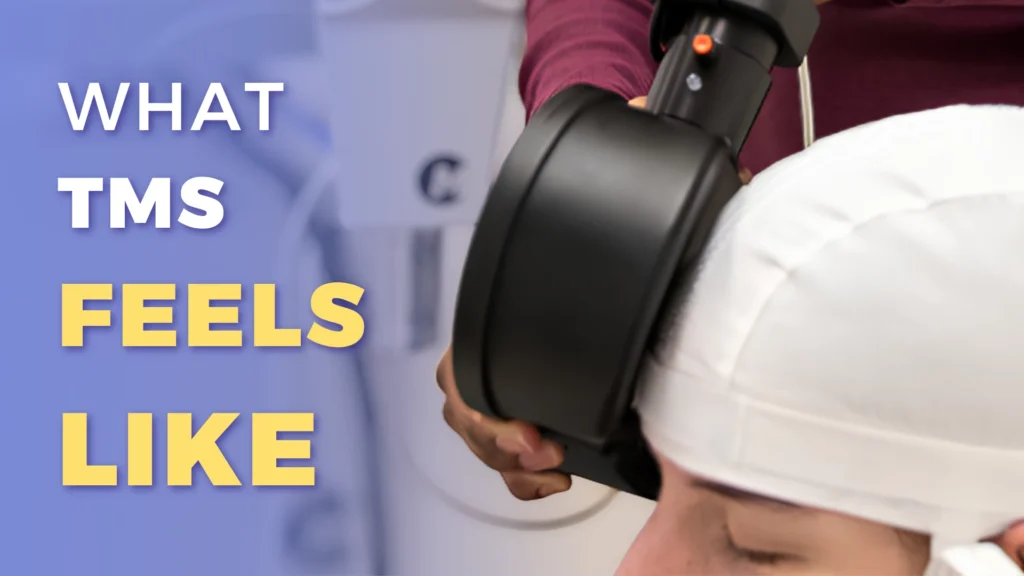
During TMS treatments you’ll hear the machine and you may feel mild sensations, some muscle twitching, or nothing at all. After treatment you may notice some temporary headache pain or scalp discomfort. The experience can be a bit odd, but it is broadly well tolerated and generally comfortable.
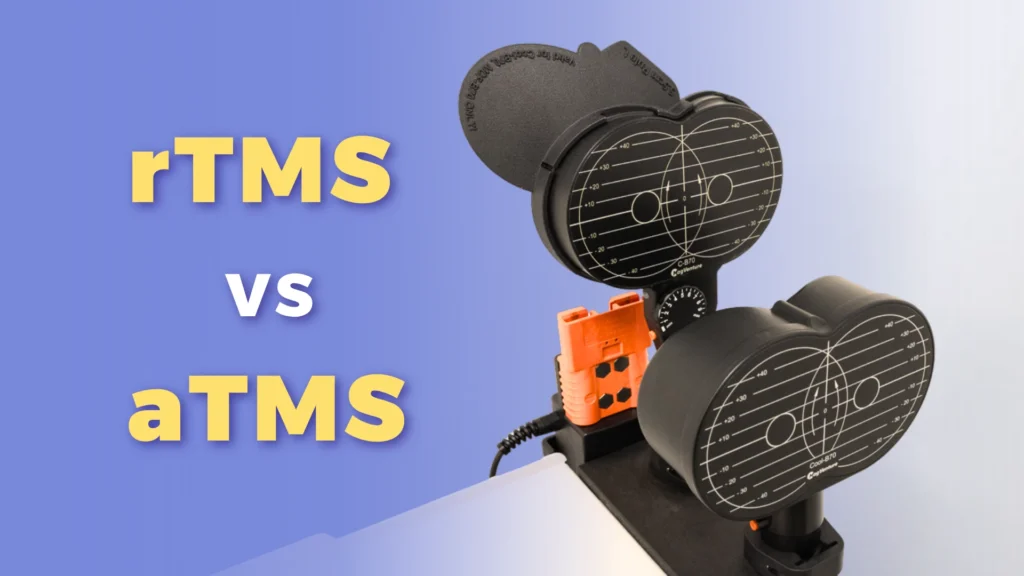
TMS treatment is evolving, and patients now have more options to fit their lifestyle and mental health needs. New protocols provide effective symptom relief and require less time in the office. Both repetitive and accelerated TMS are great for treating severe or treatment-resistant symptoms of depression, anxiety, OCD, and other mood disorders.
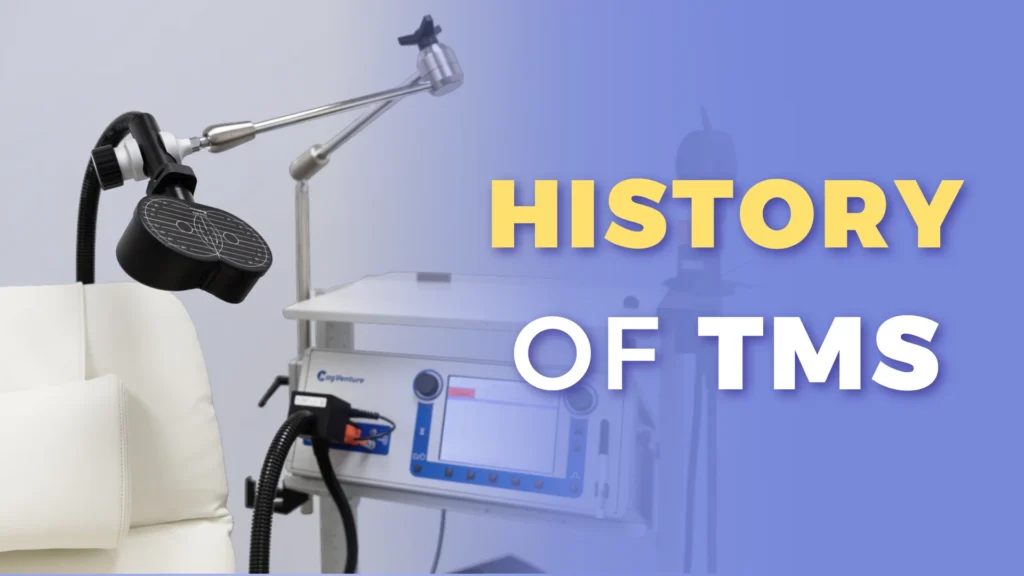
TMS is an advanced treatment option, originally developed in the 1980s, with a growing body of research and use. Therapeutic use has expanded beyond depression for the treatment of additional conditions and symptoms, with a variety of machines, and a growing selection of protocols.
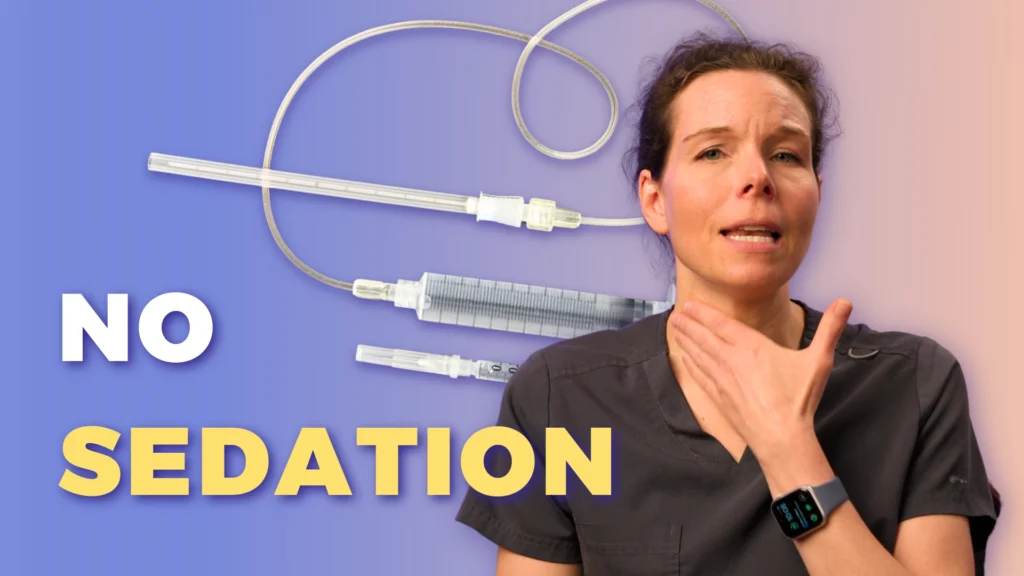
We don’t use sedation to administer stellate ganglion blocks. Here’s why you don’t need sedation, and what we do to make the procedure as comfortable as possible.
Journaling after ketamine treatment can help you get the most out of your infusions.
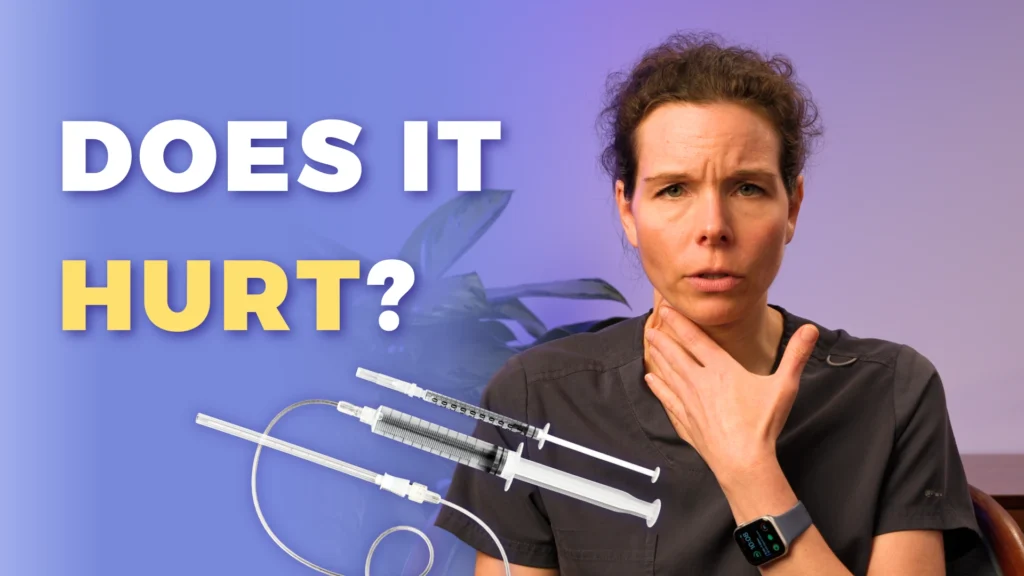
Stellate ganglion blocks feel a bit like a flu shot, and we’ll guide you through the procedure the whole time.
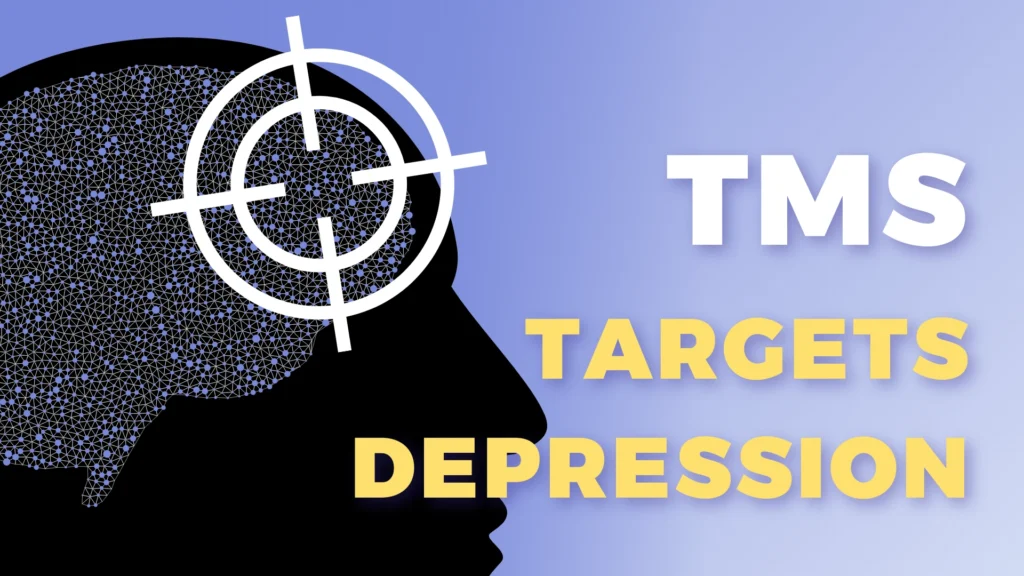
TMS is focused and targeted — it targets one specific condition in one specific region of the brain.

Before ultrasound or x-ray, stellate ganglion blocks were done entirely by feel. You can still use these techniques to find where your own stellate ganglion is located.
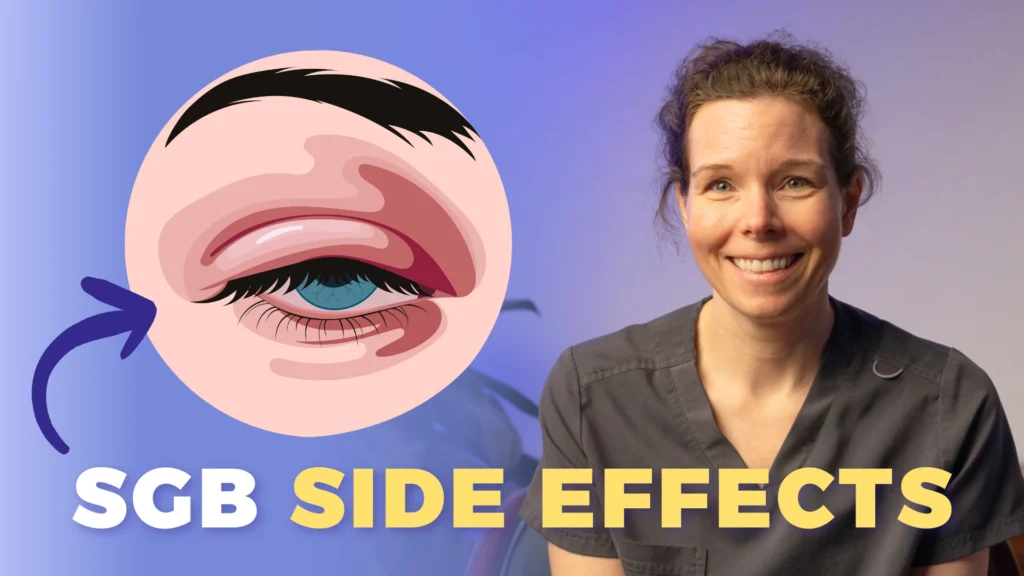
We expect to see some side effects following a stellate ganglion block, and they are a good way to know that the procedure has been done correctly.

Stellate ganglion blocks reduce the stress response of traumatic memories, but they do not alter your memories of your traumatic experiences.
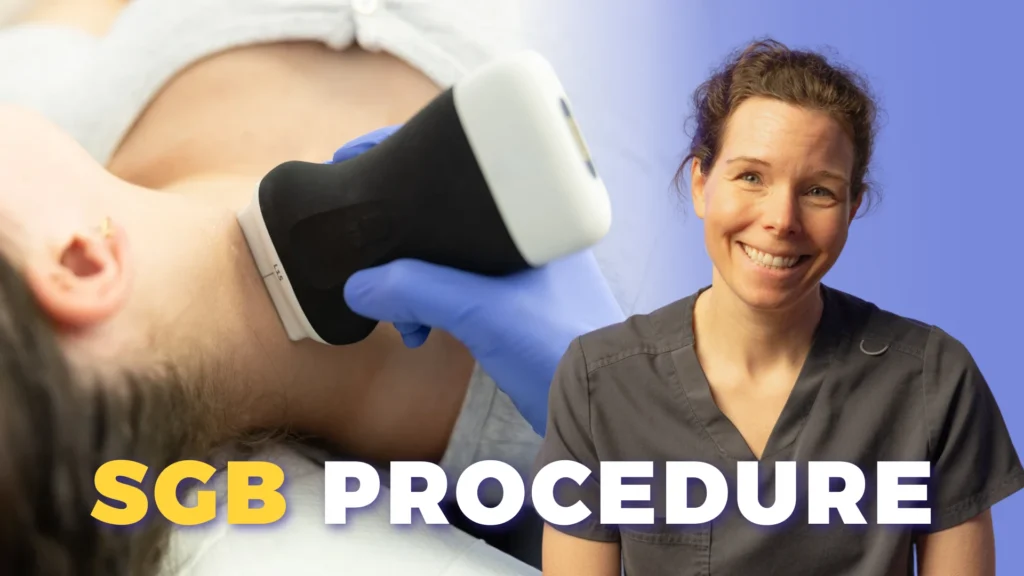
The procedure for a stellate ganglion block, broken down step-by-step.
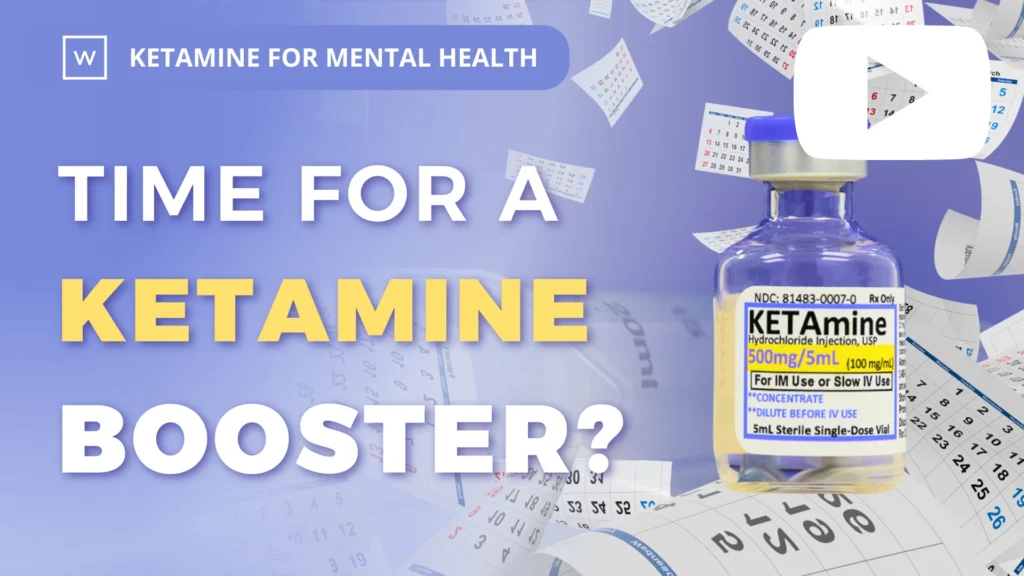
If you are returning to ketamine treatment after a long break, you may need to start with more than one infusion to find relief.
Nitrous oxide inhalation treatment is quite similar to ketamine treatment, and may be a good alternative for some patients to treat their depression or anxiety.
Whether you’re just starting treatment or have been going for a long time, there are some reasons why you may not be seeing the efficacy you expect from treatment.
Many people see colors during their ketamine infusions. What these colors are, and how they change over treatment, can offer interesting insight.

There are many ways to administer ketamine to the body, but the best way to do it is through an IV.
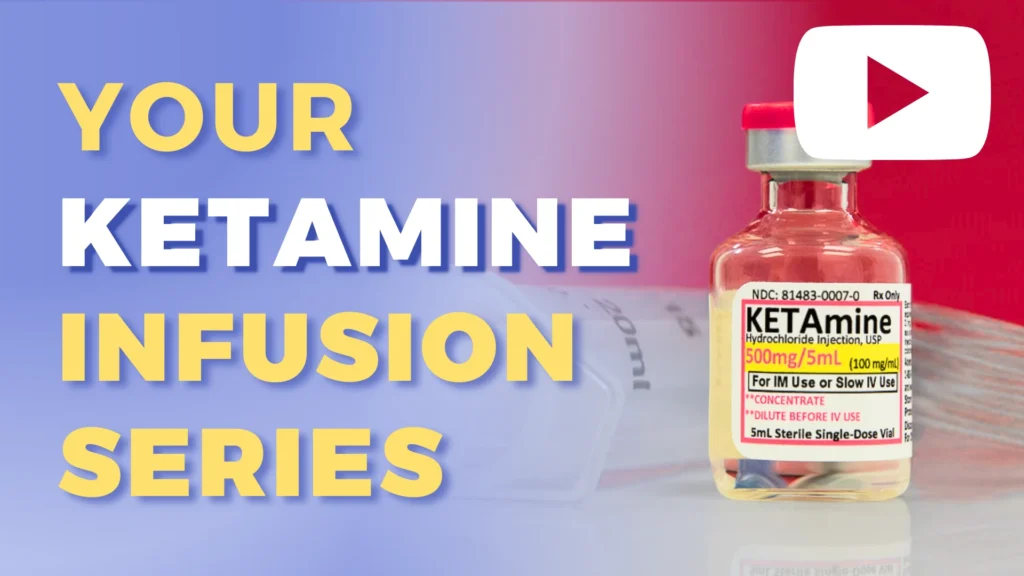
Ketamine treatment starts with a series of 6 infusions. Here’s what you can look out for after each infusion, and some of the ‘homework assignments’ we give at each appointment.
We welcome you to bring things that you find comforting or useful to your ketamine infusion appointment.
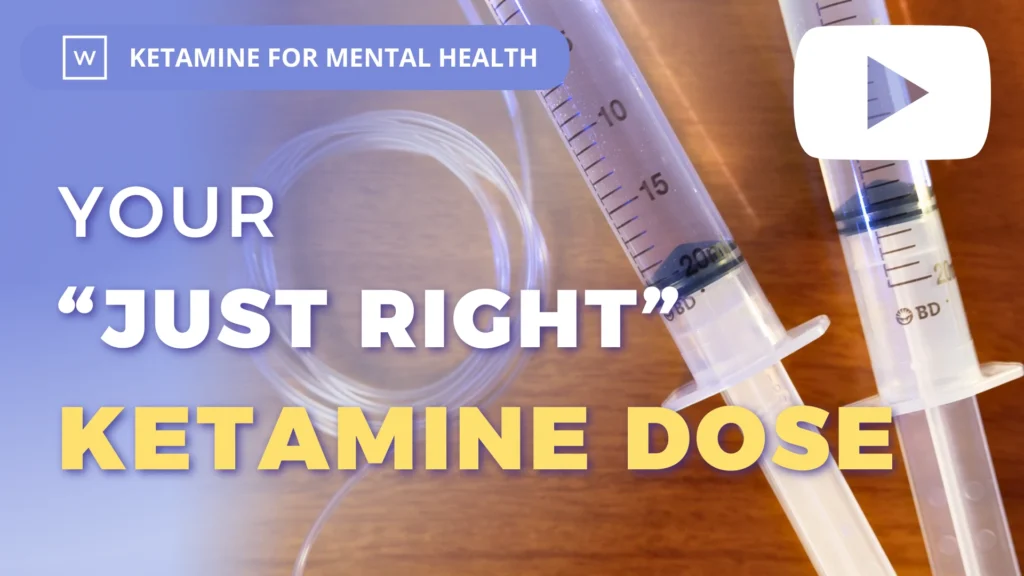
We work from the standard weight-based ketamine dose to find the optimal dose for each individual patient — not too much and not too little, but just right — toward the best possible results.
Music can help set the tone of your ketamine infusion. Here are recommendations from our patients.
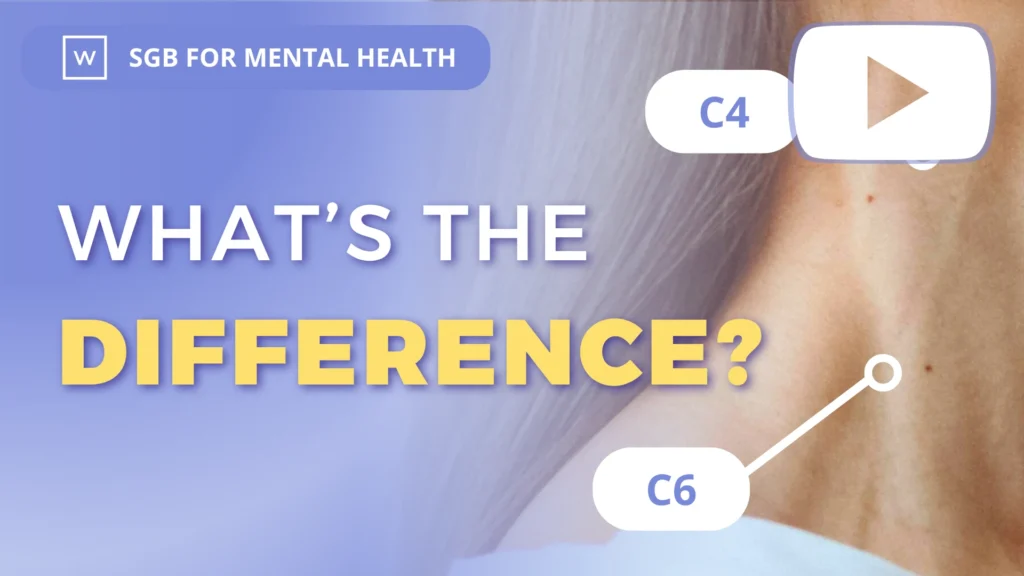
A Dual Sympathetic Reset is a Stellate Ganglion Block with two targeted injections.
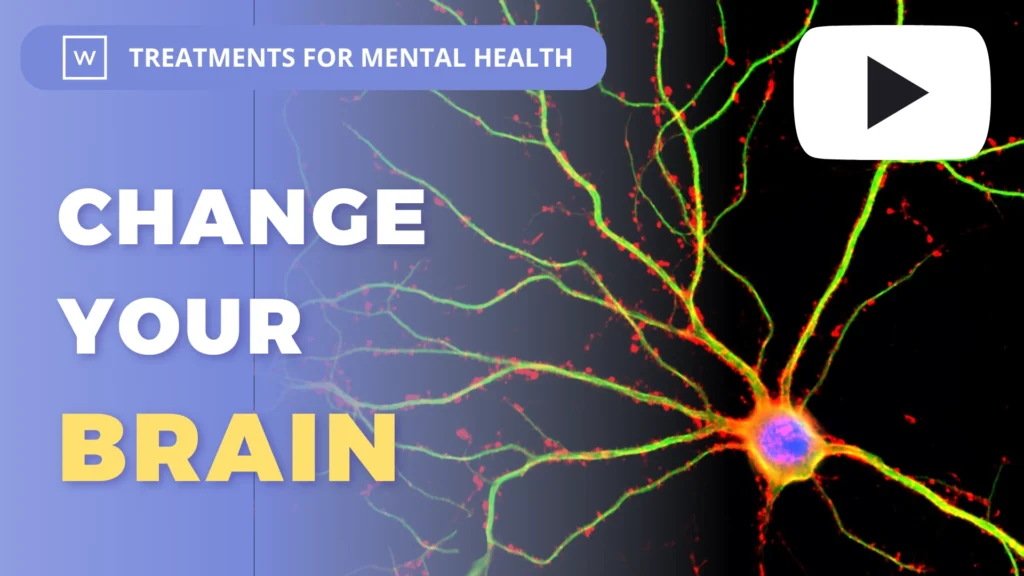
Your brain is remarkably flexible. Both ketamine treatments and TMS promote neuroplasticity — a state where the brain becomes more malleable and receptive to change. This creates a powerful window of opportunity to accelerate improvements in your mental health.

Esketamine, the active ingredient in Spravato, makes up half of racemic ketamine, which is used in most other ketamine treatments. While both medications are used to treat mental health, they have different levels of effectiveness.

Ketamine’s potential impact on the bladder can be real, but you shouldn’t see it from clinical IV infusion use. When administered appropriately, ketamine is a safe and effective treatment for mental health with minimal side effects.
The “war on drugs” resulted in a great stigma against psychedelic medications, including ketamine, and stalled medical research and progress in treating mental health.

Ketamine treatment can rapidly and effectively treat anxiety and depression for many people. However, it works best as part of a holistic approach to improve and sustain results.
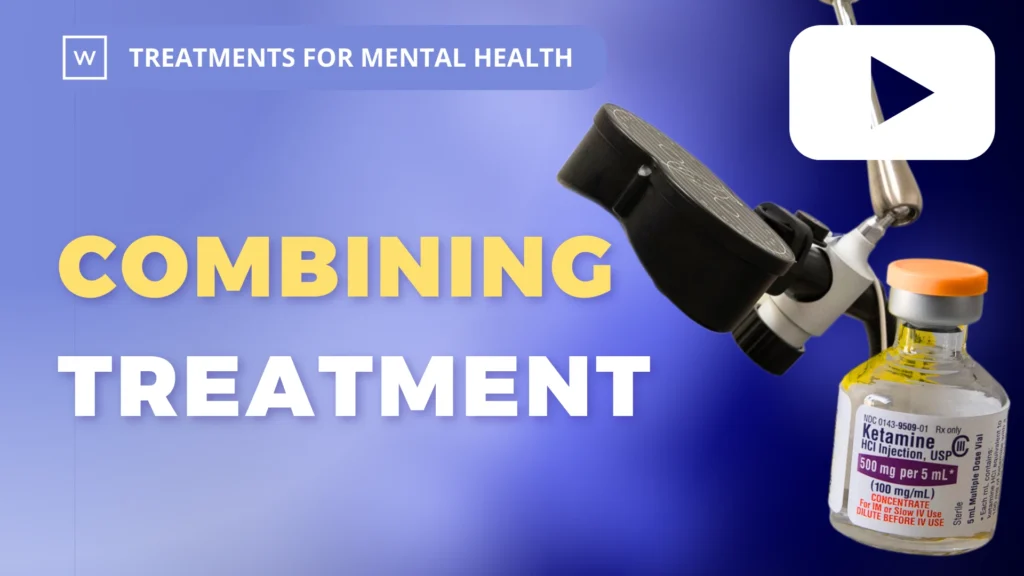
CTK, or Combined TMS and Ketamine treatment, may increase the benefit you can see from either treatment alone.
What if you’re looking for an interventional mental health treatment that seems like something we might offer, but isn’t listed as one of our provided treatments? We may still be able to provide it for you.
People of all ages may benefit from interventional treatments for mental health, but there are some extra considerations for children and teenagers, and for much older people as well.
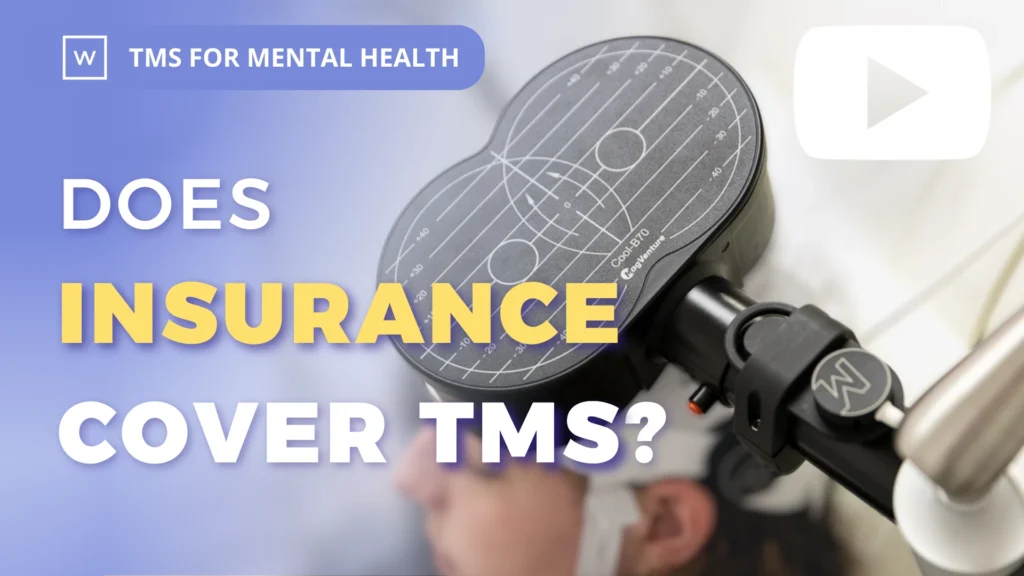
Insurance covers TMS in some cases but coverage is limited. Insurance is unlikely to cover advanced protocols, rapid treatments, complex cases, off-label indications, or other conditions and indications. A direct patient care model can offer the best available approach to TMS without insurance.

Thoughts or feelings associated with trauma don’t typically surface during a ketamine infusion, unless you choose to actively bring them up. And, overall, ketamine can be a good option for PTSD, CPTSD, and other conditions or symptoms of trauma — by themselves or with other treatments such as SGBs.

For ketamine treatments, we ask that you refrain from driving after treatment, which means you’ll need a ride home following your appointment. For most other treatments at our office, you may drive yourself after your appointment.
There are several good reasons to avoid eating or drinking before a ketamine treatment — including what we call ‘the burrito effect.’

Each psychedelic feels different, and ketamine is generally associated with visual sensations. The feeling or vibe is highly malleable and affected by all manner of things — especially music during an infusion.
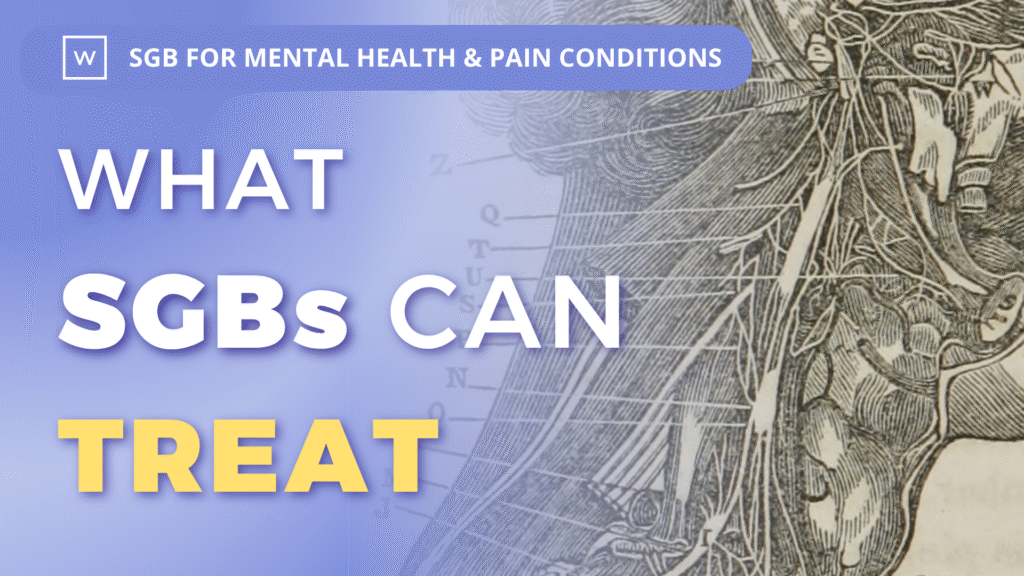
The Stellate Ganglion Block – also called SGB, sympathetic nerve reset, dual sympathetic reset, or sympathetic block – targets the sympathetic nervous system. Often employed for pain relief, stellate ganglion blocks have increasingly been used for PTSD and other mental health conditions with fast-acting and impressive results.
Insurance does not generally cover stellate ganglion blocks for mental health. The procedure is well established, but generally only covered for use in pain conditions (and even then it may not be consistently covered). It remains an excellent treatment option — especially considering its effectiveness and durability.
TMS leverages sophisticated equipment and targeted protocols to deliver great results for depression, anxiety, OCD, and other conditions. Growing fundamental and clinical data support more ways to help more people with a wider range of conditions and symptoms.
TMS can be an excellent option for many people, often providing good results even when other treatments may not have worked.

One-Day TMS is a form of accelerated TMS that condenses treatment down to a single day. Early research points to excellent and durable results.