Are ketamine treatments ok for adolescents and the elderly?

Are Ketamine Treatments OK For Adolescents And The Elderly?

People of all ages may benefit from interventional treatments for mental health, but there are some extra considerations for children and teenagers, and for much older people as well.

Yes, maybe…

Yes, ketamine treatments may be suitable and available for young people and old people — and people of all ages in between.
 
A little more care needs to be taken for these populations, though.

What Are The (Typical) Age Ranges Of Treatment?

Most of the studies on ketamine treatment (as well as stellate ganglion blocks, TMS, and nitrous oxide inhalation) have been done with a typical study population — patients between the ages of 18 and 60. Similarly, these are the typical patients we anticipate seeing at Wells Medicine. This is not to say that adolescents and older patients do not respond to these treatments, but it is more difficult to make assertions that treatments are safe and efficacious for patients outside the age range of study patients. 
 
There have been some studies on younger and older patients and they broadly show similar results as those for adults. Here is a succinct summary from the abstract of a 2021 review of research that encapsulates the issue:
 
“Ketamine appears to be safe and well-tolerated in adolescents and older adults. The small quantity, high heterogeneity, and generally low quality of available studies precludes statistical syntheses and significantly limits the strength of our conclusions.”

Most of our patients receiving ketamine treatments at Wells Medicine are between the ages of 18 and 70. We do also have patients outside of this typical range.

With both younger and older patient populations, there are frequently other things going on with their lives and with their health that warrant special consideration:

  • These patients can be more vulnerable.
  • They can be cognitively and physically limited.
  • They are often cared for by other family members.
  • They are typically in period of flux — facing rapid changes to their bodies and their minds.
  • They are often facing other changes in their lives such as evolving living situations.

We may ask for more information from young and old patients, their families, and their other physicians. With the proper information, we are certainly open to treating these patients when appropriate.

Adolescent patients

We have treated young people and have had patients as young as 12.

Generally, for patients under the age of 18, we typically ensure that we are on board with and have an open line of communication with their parents, psychiatrist, and other providers including, for instance, their pediatrician or therapist. We like to know that the patient has tried other treatments and therapies already.

We have had very good success with ketamine treatment for our older teens. In our experience, it seems that anyone over the age of about 14 or 15 reacts quite well with ketamine treatment, as we would typically expect someone over the age of 18 to react.

If a young teenage patient has thoroughly tried other options and nothing is really working, we are happy to speak with their parents and care team to ensure that ketamine treatments are an appropriate option for them. We will often see young people, for instance, when they are in and out of hospitilzations and have tried a gamut of medications and different psychotherapies with no significant reduction in symptoms.

The younger the patient, the more care should be exercised in pursuing ketamine treatments.

For adolescents, particularly in the 12-15 year-old age range, there are frequently also social and emotional issues with school, family, and other relationships that must be heavily addressed in addition to our interventional treatment. 
 
The treatment itself can be more difficult for younger patients, as well. Sometimes, the younger patients may struggle with not liking having an IV in, or aren’t as prepared for the intense experience and emotional state that ketamine can bring up.

Elderly patients

We have had patients as old as 92.

For patients above the age of 70, we generally like to make sure there aren’t any underlying severe health conditions

We like to make sure that the patient is being followed and treated for any high blood pressure, heart disease, or stroke risk. Although our treatments do not cause any of these problems, we want to be sure that we do not risk exacerbating anything through treatment. We also like to make sure that patients do not have any underlying dementia and to avoid missing any condition that can be treated early on, rather than assuming that the patient is solely dealing with depression or anxiety.

Ketamine is a safe drug

Ketamine is a very serious medication, and it is also a very safe medication, when administered correctly by appropriate professionals in an appropriate setting.

Because of its safe profile, ketamine is:

  • A go-to anesthetic for very young, very old, very sick, and pregnant people.
  • Used by emergency personnel with mixed levels of training.
  • Used in battlefield emergency care where training, facilities, and injuries can vary widely.
  • Used in operating rooms around the world where equipment and emergency support can vary and may be near non-existent.

A key reason that ketamine is so safe is that ketamine does not suppress a person’s breathing, unlike many anesthetic drugs. Regardless of the dose a person receives, the ketamine should not impact their natural breathing.
 
Another reason that ketamine is so safe is that it isn’t toxic or otherwise physically dangerous, even at high doses. It is probably impossible to overdose on ketamine, and we know of no cases where a person has ever died as a result of ketamine itself.

Alternatives

Alternative to ketamine treatment may include:

  • Intentionally doing nothing (waiting) for some period of time , which can sometimes be a good option when the risks and benefits of the patient have been evaluated –- particularly during the tumultuous period of adolescent development, when many aspects of a young person’s body and life are changing rapidly.
  • Further evaluation and diagnosis, which can sometimes help identify other ways of addressing issues at hand and can sometimes identify other contributing factors, such as hormone imbalances, that may significantly impact mental health.
  • Lifestyle modifications, which can range from small to significant, and can include things such as removing the person from an unhealthy living arrangement or ensuring consistent physical activity, for example.
  • Psychotherapy / additional psychotherapy, which may include trying multiple providers and types of therapy until you find a good fit for your needs.
  • Medications and adjustments to medications, including, for instance, first-line SSRIs and SNRIs for depression
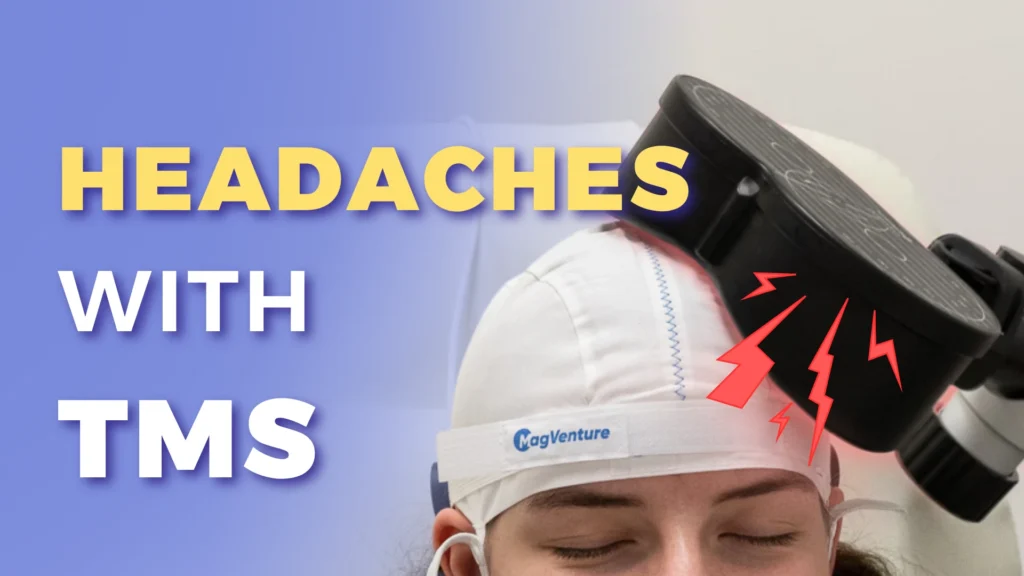
  • Other interventional treatments, including TMS (link)
  • Inpatient and intensive outpatient treatment programs, in some cases, that offer more-concentrated doses of psychotherapy and other treatments

With these young and old populations (and with others where they may be some additional considerations before moving forward with treatments), it makes sense to diligently review alternatives.

One other consideration: The Patient Should be On Board

It is important that a patient receiving ketamine treatments are on board with the treatments. It is not appropriate, for instance, for someone to come in for a ketamine treatment with no understanding of what the treatment entails. This is a particular consideration with ketamine, because the drug causes people to feel different — which we often describe as ‘floaty’ — and while it is generally not uncomfortable, it can be disconcerting if you don’t expect it. It is also an important consideration because the treatments work on their own, but they work best when the patient is predisposed to anticipate and work towards improvement.
 
When a patient is on board with their treatment, they will almost certainly have a better chance of a comfortable experience and good results. Even if someone else is arranging scheduling, paying for treatments, and bringing the patient to their appointments — the patient themself should be fully informed and engaged as much as is feasible.

Ketamine Can Be Very Effective: For People of All Ages

Ketamine treatments, and specifically ketamine infusions, are very effective for many people. They are medical procedures that come with risks, but they have a very safe profile when administered by appropriate professionals in an appropriate clinical setting.
 
Ketamine treatments can be an exceptional treatment option for depression, anxiety, OCD, PTSD, bi-polar disorder, some pain conditions, and some other conditions.
 
Ketamine treatments can be provided to people of all ages -– although more care should be used for younger and older patients. 

About Us

Wells Medicine is a Houston-based practice designed to provide meaningful care for mental health. Providing targeted interventional treatments for Depression, Anxiety, OCD, PTSD and other conditions, with Ketamine Treatments, Stellate Ganglion Blocks, TMS, and Nitrous-Oxide Treatments. Focused on comprehensive care and integration with Psychiatry, Psychology, and Support Services. We are evidence-based, patient-focused and mission-driven.

The content here is for informational purposes and should not be relied upon for medical decisions. For the details of your specific medical conditions and treatments consult your doctors or other qualified healthcare professionals.