TMS Headaches: What to Expect and How to Manage Them

Headaches with TMS

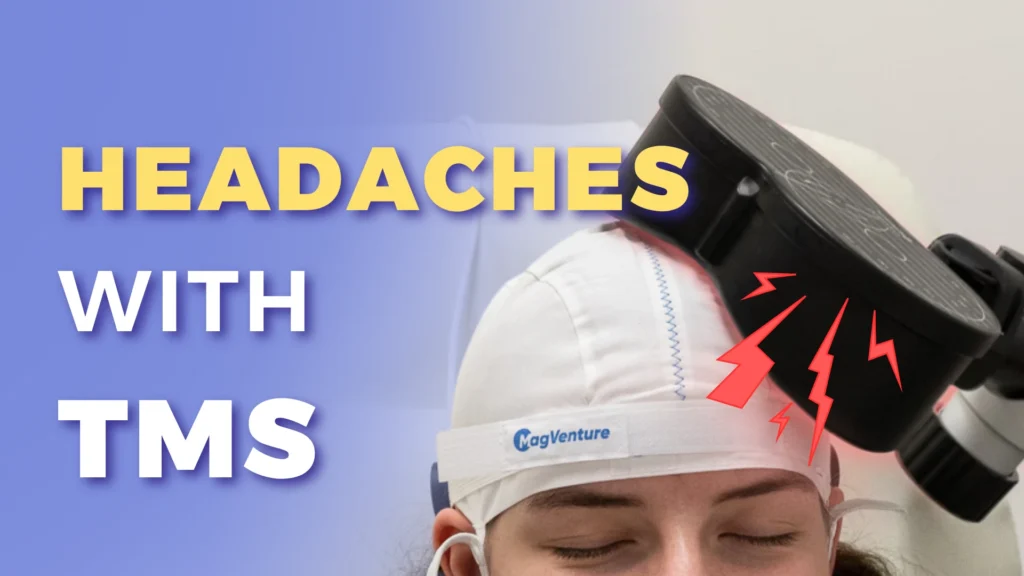
TMS is non-invasive, convenient, and generally well-tolerated – often with minimal side effects. Temporary headaches are the most common side effect of TMS. The magnetic stimulation targets neurons in the brain; however, nearby facial muscles and nerves can also be affected. The contracting of these areas can be a cause of headaches during and after treatment. TMS technicians can adjust treatment to minimize discomfort, Tylenol and Advil can help, rest and hydration can help, and any headache pain should subside with time following treatment.

Causes of headaches during treatment:

Muscle Contractions: The repetitive pulses from the TMS device may cause facial nerves and muscles near the treatment site to twitch and contract. Although this is common, the brow and jaw movement can be uncomfortable at first. Because we all have a unique anatomy, not all patients will experience facial movements. Those with high sensitivity and higher motor thresholds tend to have more movement and discomfort.

Nerve Stimulation: The purpose of TMS is to promote neural connectivity. For this to take place, the magnetic force interacts with neurons creating a pulling, knocking, or “woodpecker”-like sensation. This stimulation is repetitive and new for most patients, and it may cause headaches over time.

Motor Threshold (MT): The MT level is the amount of energy required to stimulate the brain. Patients with a lower MT are more likely to tolerate treatment and less likely to develop a headache. Those with a higher MT may experience more discomfort and have a higher chance of headaches. The MT is determined at the start of treatment and is personalized for each patient and depends on their neuron sensitivity, scalp thickness, anatomical features, caffeine and substance consumption, amount of sleep, and other factors. The level of intensity is slowly increased over the first few sessions to introduce patients to treatment and to help increase tolerance.

Sensitivity: TMS is typically a new sensation for all patients; however, most tolerate treatment well and become accustomed to the sensations after just a few sessions. A patient that is more sensitive to headaches or has a history of migraines may experience headaches that come on quickly or that are more severe. 

How to avoid headaches during treatment

  • Rest & Relax: Once home, lay down in a quiet and dark space to rest
    • Remember — with Accelerated TMS, patients complete what would be weeks worth of treatments with other protocols in a single day
  • Stay Hydrated: Drink water both during and after your treatment to avoid dehydration
  • Avoid Excess Caffeine or Alcohol: These worsen dehydration and may cause headaches to linger or become more severe
  • Medication: Tylenol or ibuprofen may be taken if appropriate to provide relief from pain and discomfort
  • Warm & Cool Compress: Use warm or cool compresses to relax any tense muscles and tender spots on the scalp
  • Light Stretching & Exercise: A short walk, stretching, or yoga may help relax the body and mind

TMS headaches are temporary

Headaches from TMS should subside rapidly.

Accelerated TMS is effective for many people and may provide lasting improvements, even for people with treatment-resistant symptoms. It is advanced, targeted medicine. Side effects are typically mild and transient. If you experience a headache from TMS, a little time is often all that is needed for the discomfort to clear up.

About Us

Wells Medicine is a Houston-based practice designed to provide meaningful care for mental health. Providing targeted interventional treatments for Depression, Anxiety, OCD, PTSD and other conditions, with Ketamine Treatments, Stellate Ganglion Blocks, TMS, and Nitrous-Oxide Treatments. Focused on comprehensive care and integration with Psychiatry, Psychology, and Support Services. We are evidence-based, patient-focused and mission-driven.

The content here is for informational purposes and should not be relied upon for medical decisions. For the details of your specific medical conditions and treatments consult your doctors or other qualified healthcare professionals.