TMS

Headaches with TMS

TMS Headaches: What to Expect and How to Manage Them

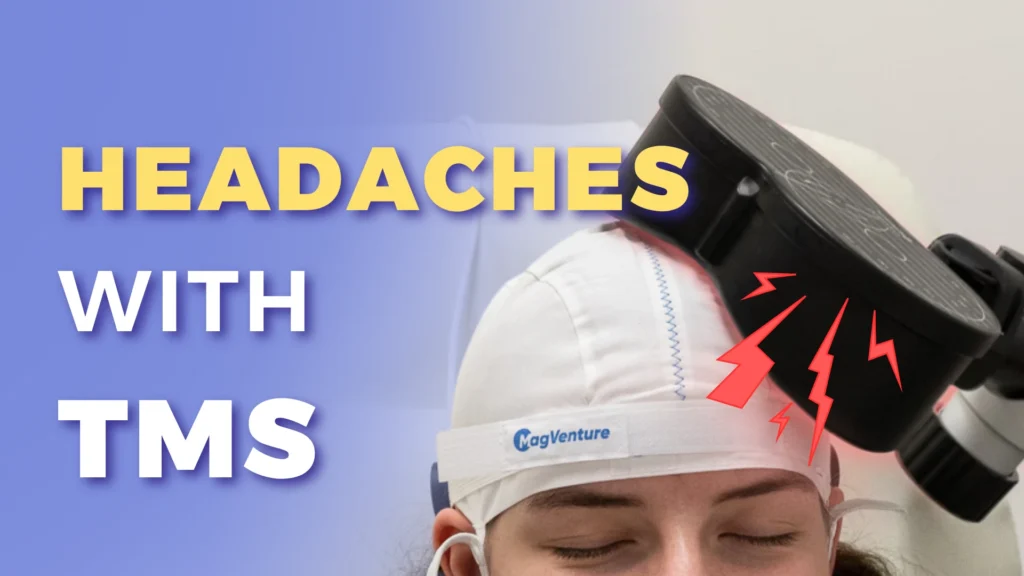
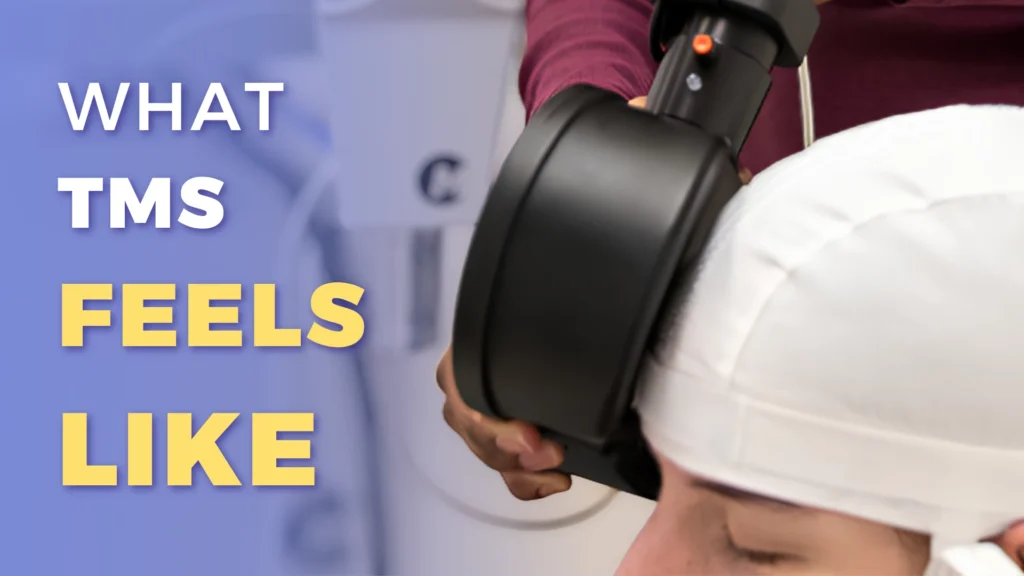
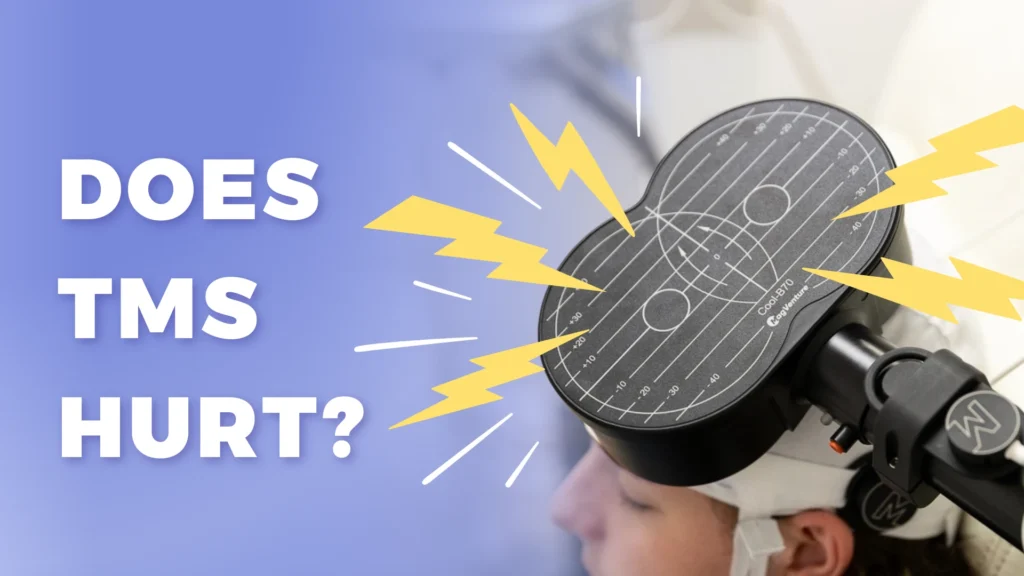
TMS is non-invasive, convenient, and generally well-tolerated – often with minimal side effects. Temporary headaches are the most common side effect of TMS. The magnetic stimulation targets neurons in the brain; however, nearby facial muscles and nerves can also be affected. The contracting of these areas can be a cause of headaches during and after treatment. TMS technicians can adjust treatment to minimize discomfort, Tylenol and Advil can help, rest and hydration can help, and any headache pain should subside with time following treatment.

TMS for OCD

TMS for OCD

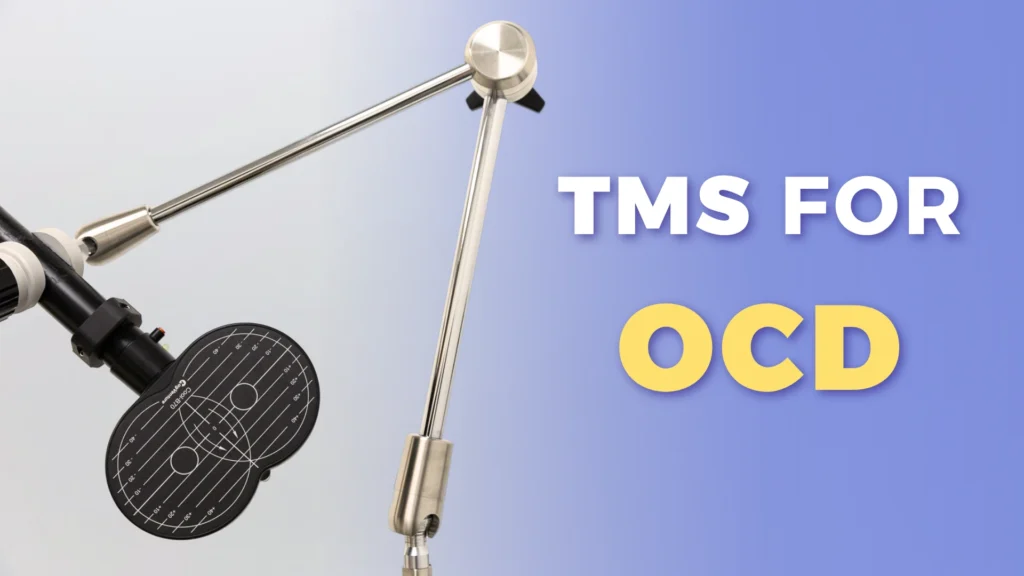
Originally used to treat depression, Transcranial Magnetic Stimulation (TMS) has proven to be a transformative treatment option for many people with Obsessive Compulsive Disorder (OCD). Wells Medicine offers accelerated TMS protocols designed to target severe and treatment-resistant OCD symptoms, providing a path toward rapid and lasting relief.

rTMS vs aTMS

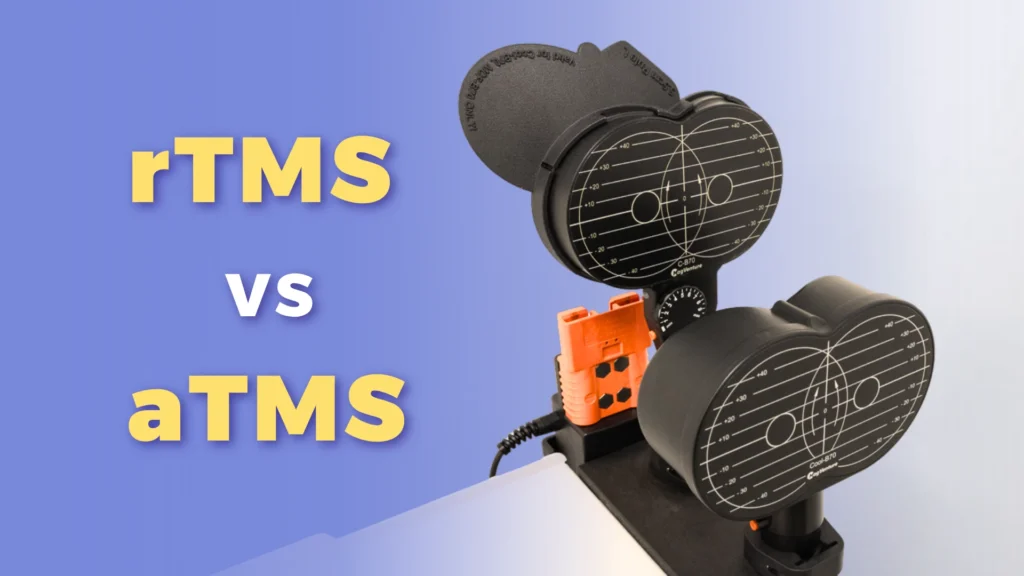
Repetitive vs. Accelerated TMS – What’s the difference?

TMS treatment is evolving, and patients now have more options to fit their lifestyle and mental health needs. New protocols provide effective symptom relief and require less time in the office. Both repetitive and accelerated TMS are great for treating severe or treatment-resistant symptoms of depression, anxiety, OCD, and other mood disorders.

History of TMS

The History of TMS

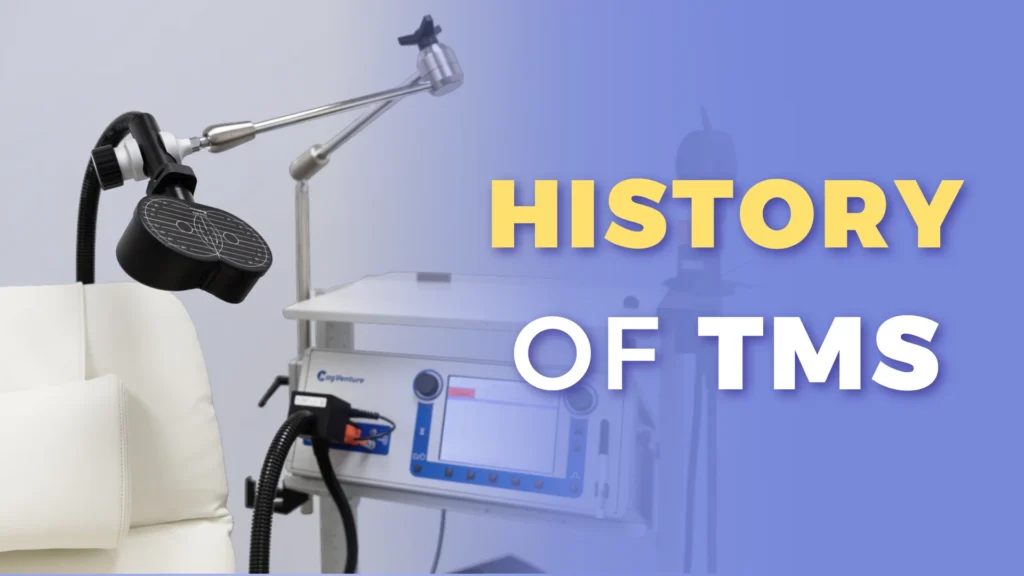
TMS is an advanced treatment option, originally developed in the 1980s, with a growing body of research and use. Therapeutic use has expanded beyond depression for the treatment of additional conditions and symptoms, with a variety of machines, and a growing selection of protocols.

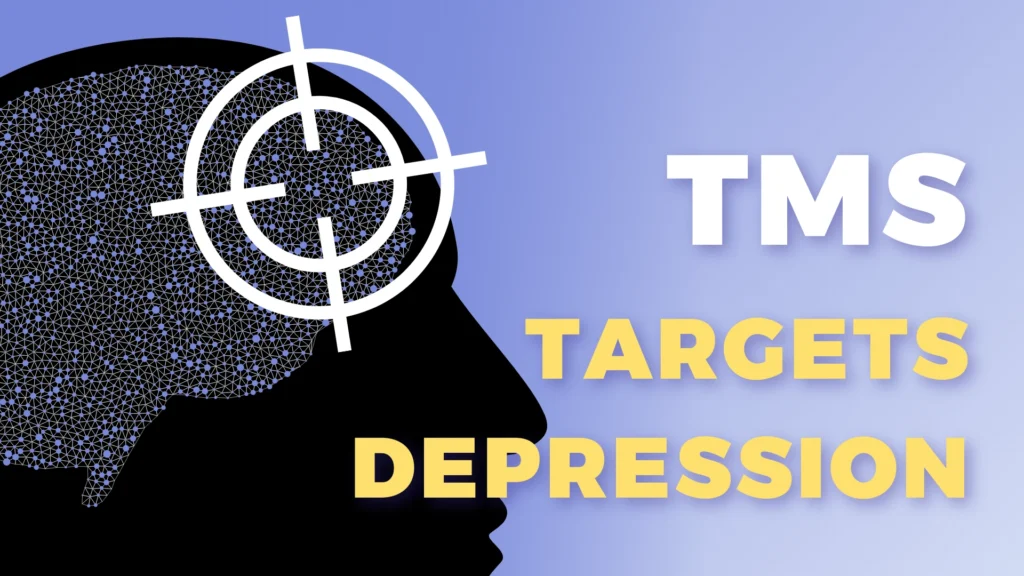
TMS Targets Depression

TMS is targeted

TMS is focused and targeted — it targets one specific condition in one specific region of the brain.

Ketamine for Mental Health: When Ketamine Isn't Working

Reasons why treatment isn’t working

Whether you’re just starting treatment or have been going for a long time, there are some reasons why you may not be seeing the efficacy you expect from treatment.

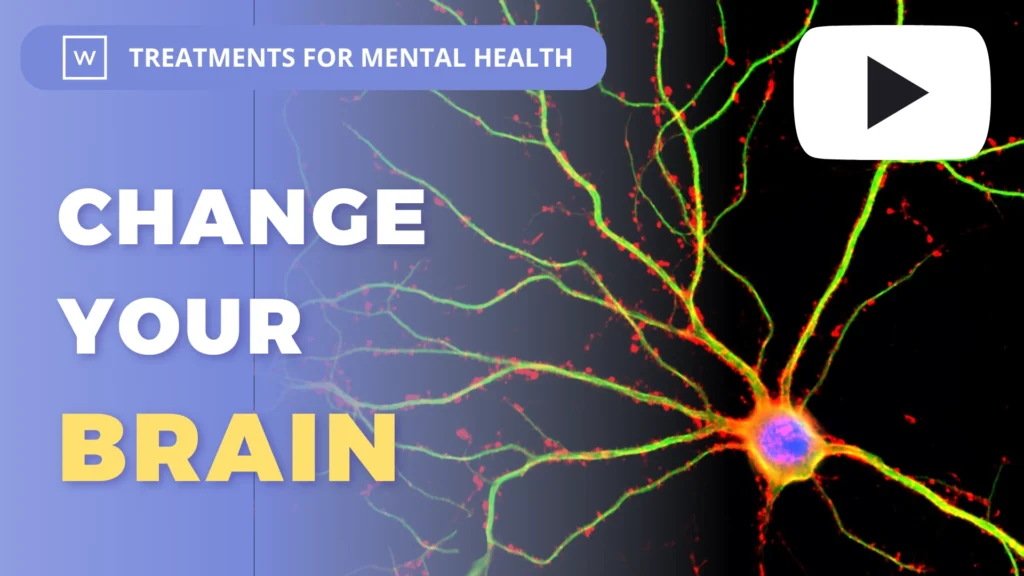
Treatments for Mental Health: Change Your Brain

Take advantage of neuroplasticity

Your brain is remarkably flexible. Both ketamine treatments and TMS promote neuroplasticity — a state where the brain becomes more malleable and receptive to change. This creates a powerful window of opportunity to accelerate improvements in your mental health.

TMS for Mental Health: Does Insurance Cover TMS?

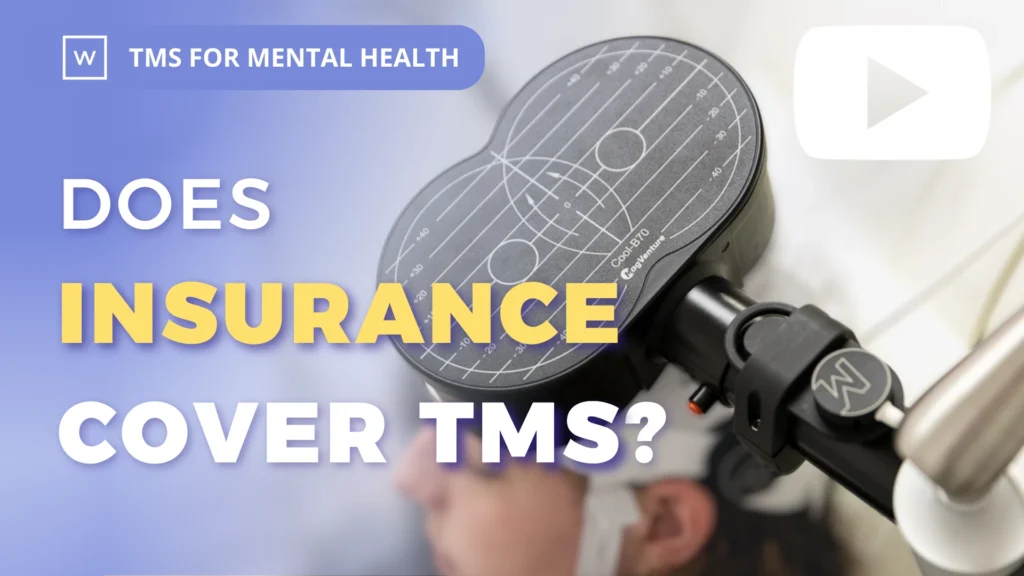
Insurance coverage for TMS

Insurance covers TMS in some cases but coverage is limited. Insurance is unlikely to cover advanced protocols, rapid treatments, complex cases, off-label indications, or other conditions and indications. A direct patient care model can offer the best available approach to TMS without insurance.

TMS for Mental Health & Pain Conditions: What TMS Can Treat

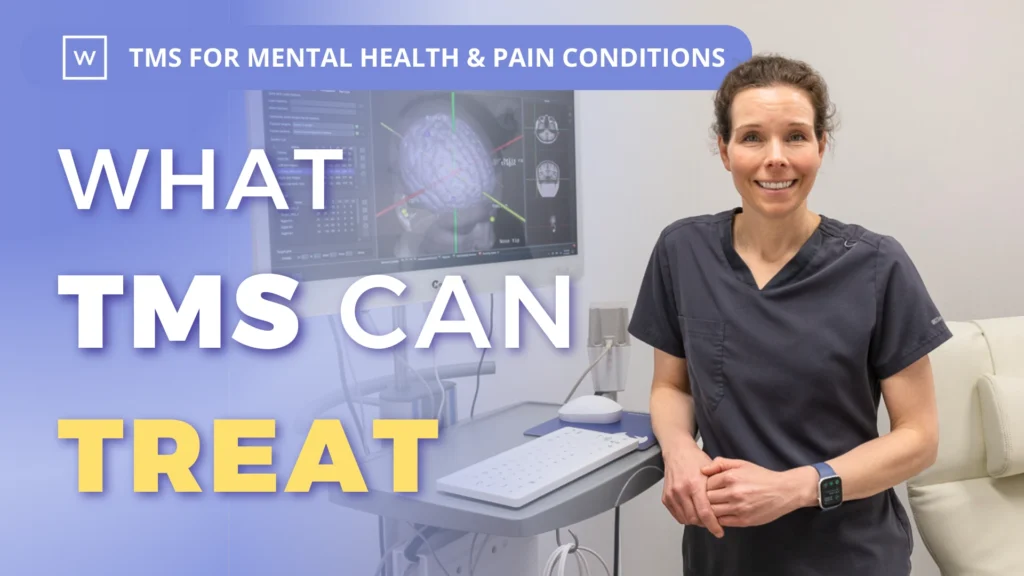
What does TMS treat?

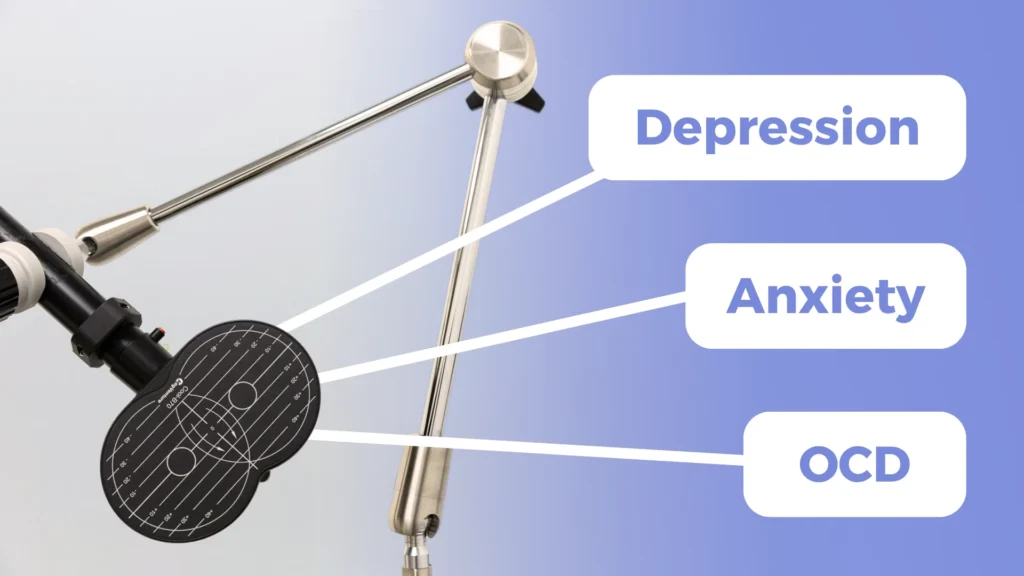
TMS leverages sophisticated equipment and targeted protocols to deliver great results for depression, anxiety, OCD, and other conditions. Growing fundamental and clinical data support more ways to help more people with a wider range of conditions and symptoms.

TMS can be an excellent option for many people, often providing good results even when other treatments may not have worked.

TMS for Mental Health: One-Day TMS

One-Day TMS

One-Day TMS is a form of accelerated TMS that condenses treatment down to a single day. Early research points to excellent and durable results.

Treatments for Mental Health: TMS & Ketamine

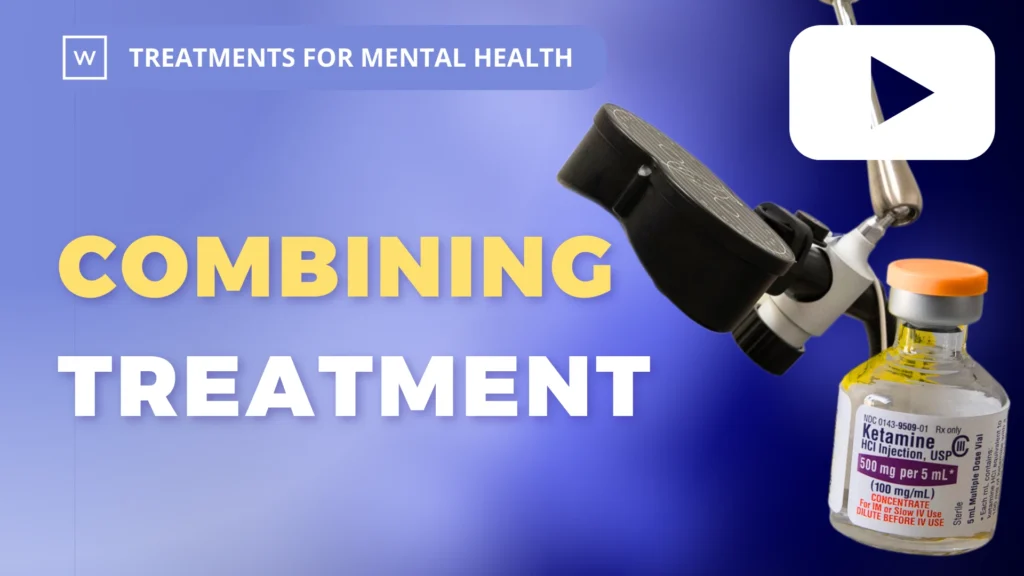
The Surprising Similarity Between TMS and Ketamine

TMS and ketamine are both highly-effective interventional treatments for mental health symptoms and conditions, including depression, anxiety, OCD, and other mood disorders and some pain conditions. They look wildly different at a quick glance, and they rely on totally different technologies. And yet, they have surprising similarities — not just in what they can help treat, but also in how they work.

TMS for Mental Health: What To Do During TMS

What to do during accelerated TMS

Dr Wells explains what to expect during accelerated TMS — including what you can do during treatment, between sessions, and after you return home.

TMS For Mental Health: What Is Accelerated TMS?

What is accelerated TMS?

Accelerated TMS is TMS on a rapid schedule. It is designed to include more sessions, greater precision, and more individualized treatments. Accelerated TMS is more convenient, faster acting, and shown to be more effective.