

Where ketamine can (and can’t) help with chronic pain
There are some chronic pain conditions where ketamine can help provide relief, and some where ketamine may not be the best choice.
There are some chronic pain conditions where ketamine can help provide relief, and some where ketamine may not be the best choice.
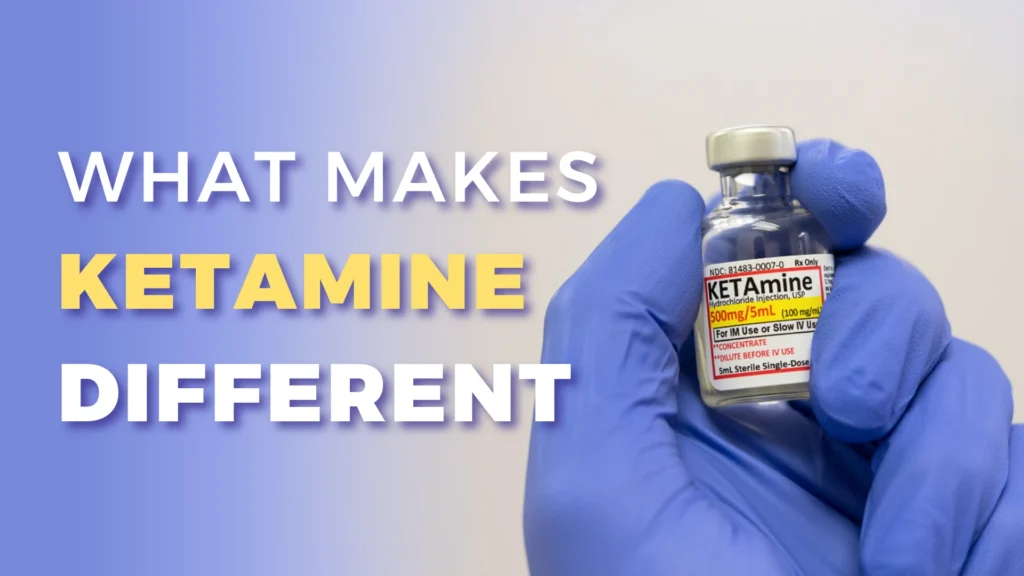
Ketamine is different than antidepressant medications like SSRIs and SNRIs. It works by increasing neuroplasticity — in a way that is faster and more effective at treating depression.
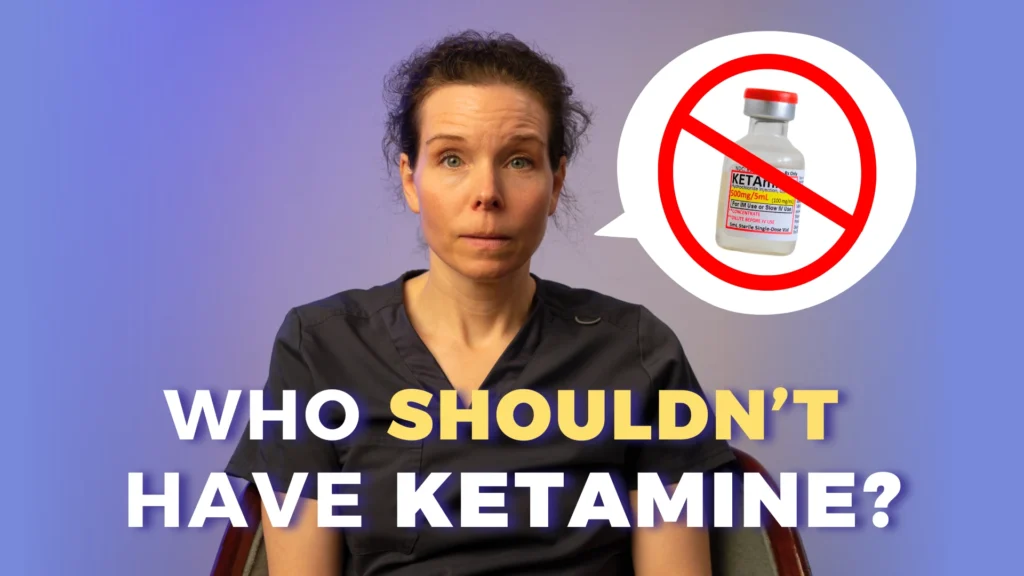
Ketamine is a powerful antidepressant that can provide rapid relief for 70-80% of patients. However, some conditions may make a patient a poor candidate for ketamine treatment.
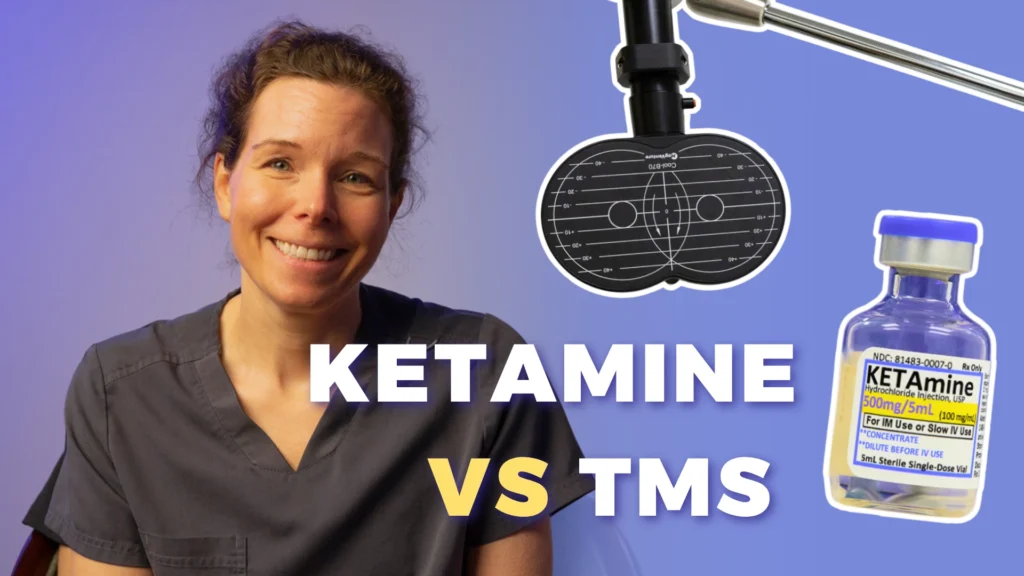
Ketamine and accelerated TMS are advanced interventional treatments that may provide significant benefits for symptoms of depression, anxiety, PTSD, and OCD. There are key differences that can help guide a decision when comparing these two treatments.
There are important safety standards any clinic should uphold that is providing ketamine treatment.
There are some things to look out for when you’re searching for a ketamine infusion provider. Here’s our advice, based on more than a decade of experience.
Ketamine is already effective on it’s own — but it can become more effective and its benefit longer-lasting through the aid of therapy and integration work.
Journaling after ketamine treatment can help you get the most out of your infusions.
If you are returning to ketamine treatment after a long break, you may need to start with more than one infusion to find relief.
Whether you’re just starting treatment or have been going for a long time, there are some reasons why you may not be seeing the efficacy you expect from treatment.
Many people see colors during their ketamine infusions. What these colors are, and how they change over treatment, can offer interesting insight.

There are many ways to administer ketamine to the body, but the best way to do it is through an IV.
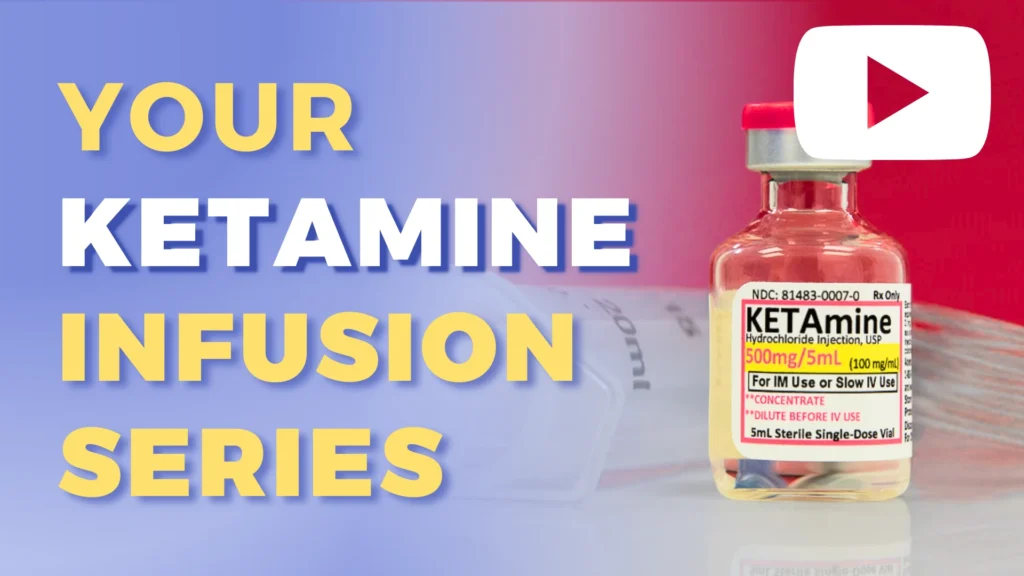
Ketamine treatment starts with a series of 6 infusions. Here’s what you can look out for after each infusion, and some of the ‘homework assignments’ we give at each appointment.
We welcome you to bring things that you find comforting or useful to your ketamine infusion appointment.
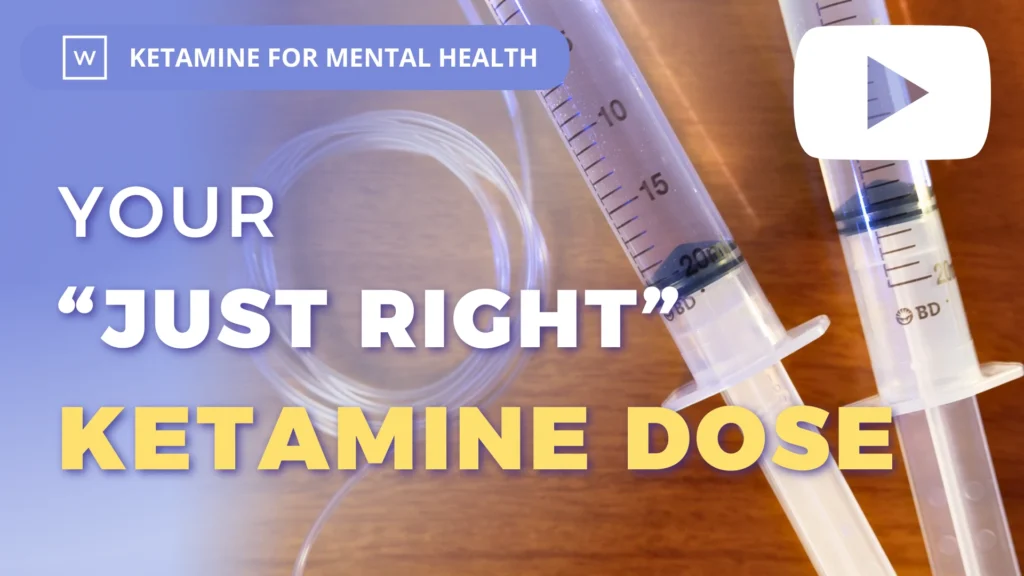
We work from the standard weight-based ketamine dose to find the optimal dose for each individual patient — not too much and not too little, but just right — toward the best possible results.
Music can help set the tone of your ketamine infusion. Here are recommendations from our patients.
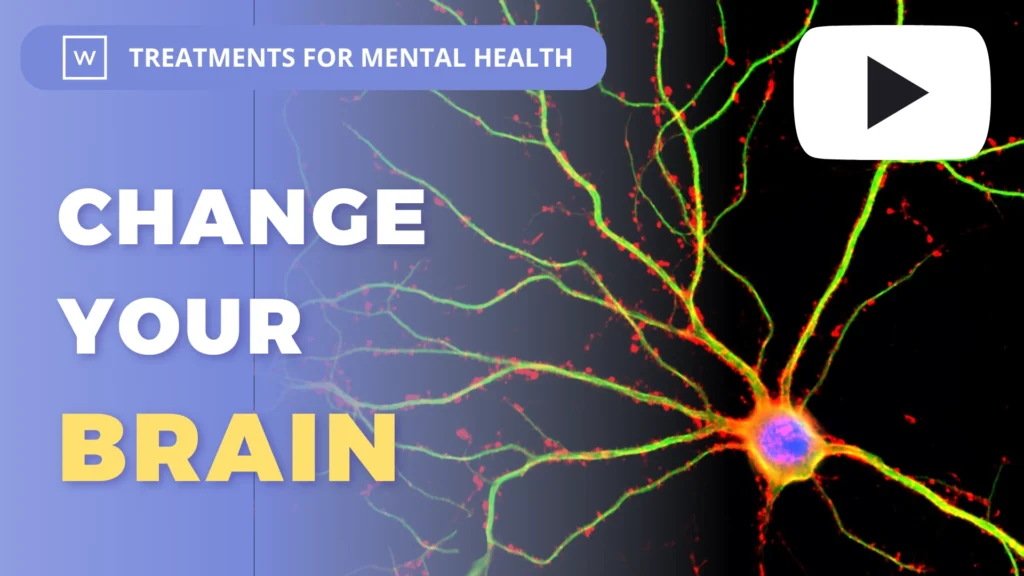
Your brain is remarkably flexible. Both ketamine treatments and TMS promote neuroplasticity — a state where the brain becomes more malleable and receptive to change. This creates a powerful window of opportunity to accelerate improvements in your mental health.

Esketamine, the active ingredient in Spravato, makes up half of racemic ketamine, which is used in most other ketamine treatments. While both medications are used to treat mental health, they have different levels of effectiveness.

Ketamine’s potential impact on the bladder can be real, but you shouldn’t see it from clinical IV infusion use. When administered appropriately, ketamine is a safe and effective treatment for mental health with minimal side effects.
The “war on drugs” resulted in a great stigma against psychedelic medications, including ketamine, and stalled medical research and progress in treating mental health.

Ketamine treatment can rapidly and effectively treat anxiety and depression for many people. However, it works best as part of a holistic approach to improve and sustain results.
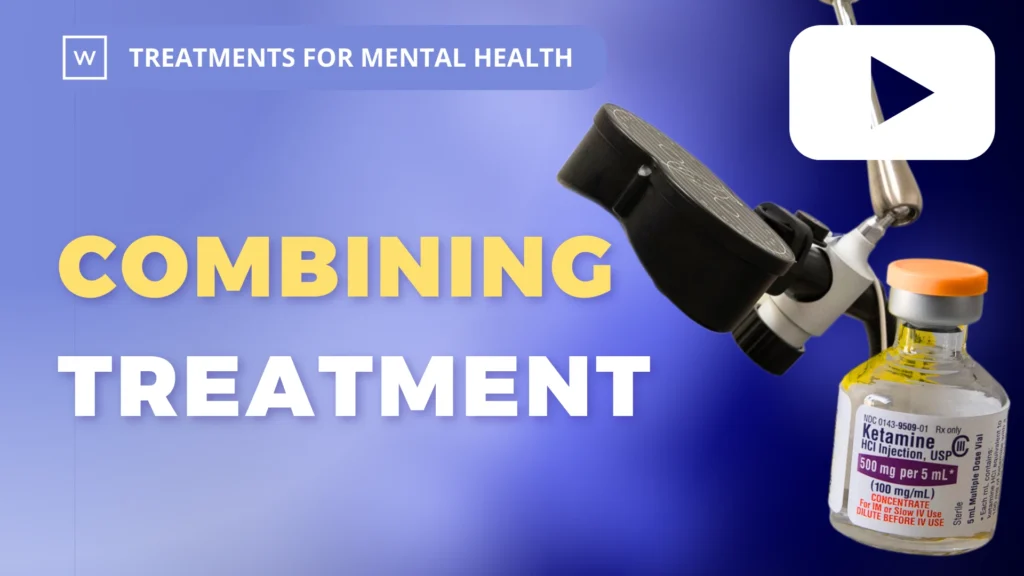
CTK, or Combined TMS and Ketamine treatment, may increase the benefit you can see from either treatment alone.

Thoughts or feelings associated with trauma don’t typically surface during a ketamine infusion, unless you choose to actively bring them up. And, overall, ketamine can be a good option for PTSD, CPTSD, and other conditions or symptoms of trauma — by themselves or with other treatments such as SGBs.

For ketamine treatments, we ask that you refrain from driving after treatment, which means you’ll need a ride home following your appointment. For most other treatments at our office, you may drive yourself after your appointment.
There are several good reasons to avoid eating or drinking before a ketamine treatment — including what we call ‘the burrito effect.’

Each psychedelic feels different, and ketamine is generally associated with visual sensations. The feeling or vibe is highly malleable and affected by all manner of things — especially music during an infusion.

Ketamine was originally developed for anesthesia and analgesia. It has a long history as an extremely safe and effective drug and continues to be used widely for medical procedures and emergency medicine around the world.
A substantial and ever-growing body of research and clinical evidence has shown that ketamine is extraordinarily effective at treating depression, anxiety, and other conditions — with high rates of success, with strong and durable results, and for many people with treatment-resistant symptoms.
As research expands, our understanding of what ketamine may be used to treat continues to expand.

TMS and ketamine are both highly-effective interventional treatments for mental health symptoms and conditions, including depression, anxiety, OCD, and other mood disorders and some pain conditions. They look wildly different at a quick glance, and they rely on totally different technologies. And yet, they have surprising similarities — not just in what they can help treat, but also in how they work.

We work to make IVs comfortable, including using the smallest sizes available.
Interventional treatments may be useful and appropriate options for postpartum depression and other mental health conditions during pregnancy and breastfeeding.
Some medications, behaviors, and life circumstances may decrease the effectiveness of ketamine treatment.

The experience of a ketamine infusion can be profound, but it usually isn’t, and it doesn’t have to be.

Ketamine is an FDA-approved drug that may be used by physicians for anesthesia and for other uses off-label.

Dr Wells shares why we love interventional treatments for mental health.

Microdosing doesn’t seem to have meaningful benefits, and comes with a host of risks.

Dr Wells discusses whether ketamine is a cure for mental health conditions like depression and anxiety.

Ketamine infusions and stellate ganglion blocks can both be used to treat PTSD. Some patients may benefit more from one treatment or the other, or from both.

There are some things that might be useful to bring to your ketamine infusion, in addition to what we already have in the clinic.

Some medications and substances may interfere with or decrease the efficacy of ketamine treatment.

Ketamine treatment starts with an induction series of six infusions. How closely these infusions are spaced together can impact your experience.

Ketamine is used to treat a variety of mental health conditions, including depression and anxiety. The process of getting started with treatment is simple.

