
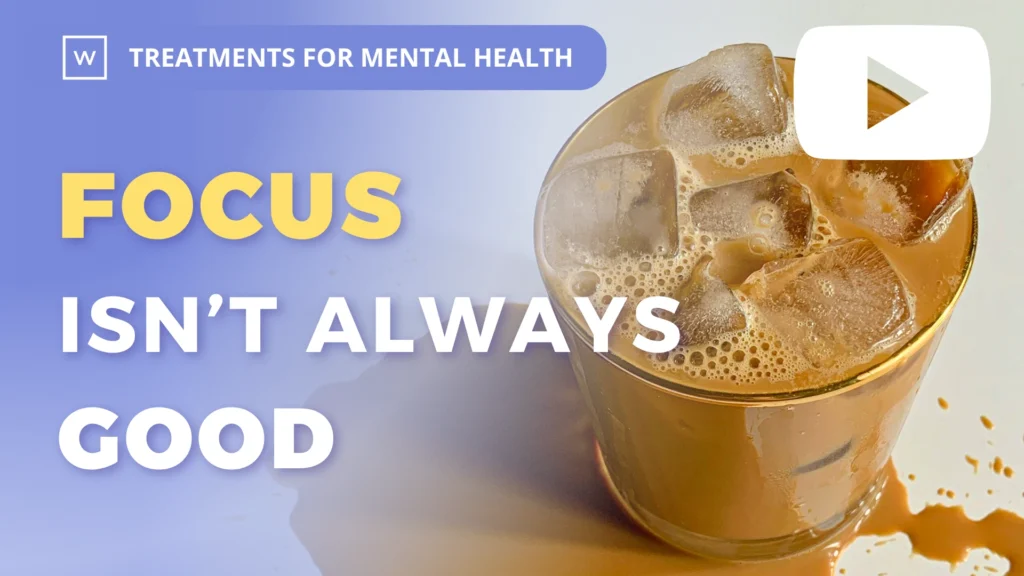
A quick look at stimulants and anxiety
One of the great things about stimulants is that they give us focus and attention — but if you’re having a lot of anxiety, you may end up with more focus and attention on the things you’re anxious about.
One of the great things about stimulants is that they give us focus and attention — but if you’re having a lot of anxiety, you may end up with more focus and attention on the things you’re anxious about.
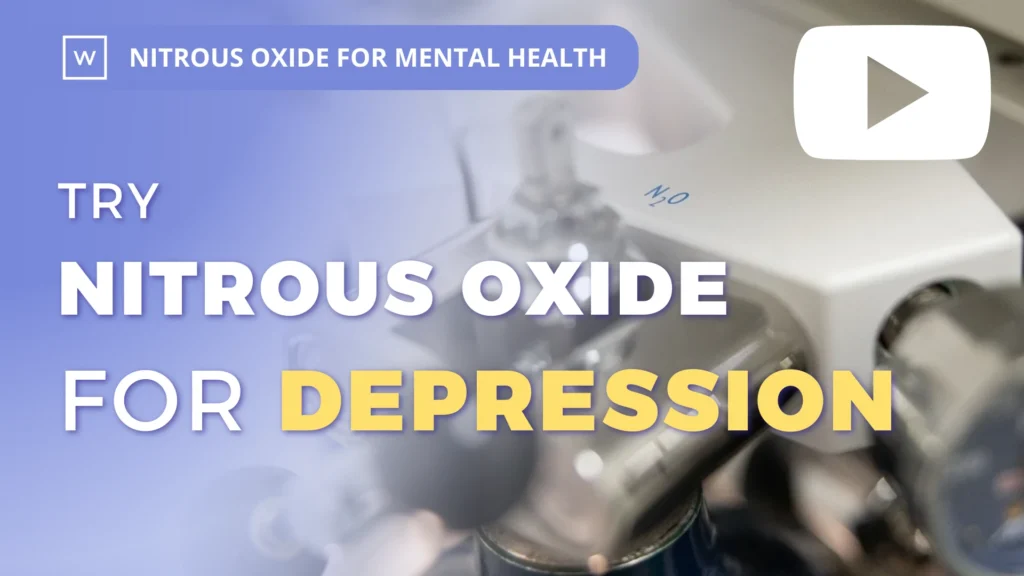
Nitrous oxide inhalation treatment is quite similar to ketamine treatment, and may be a good alternative for some patients to treat their depression or anxiety.
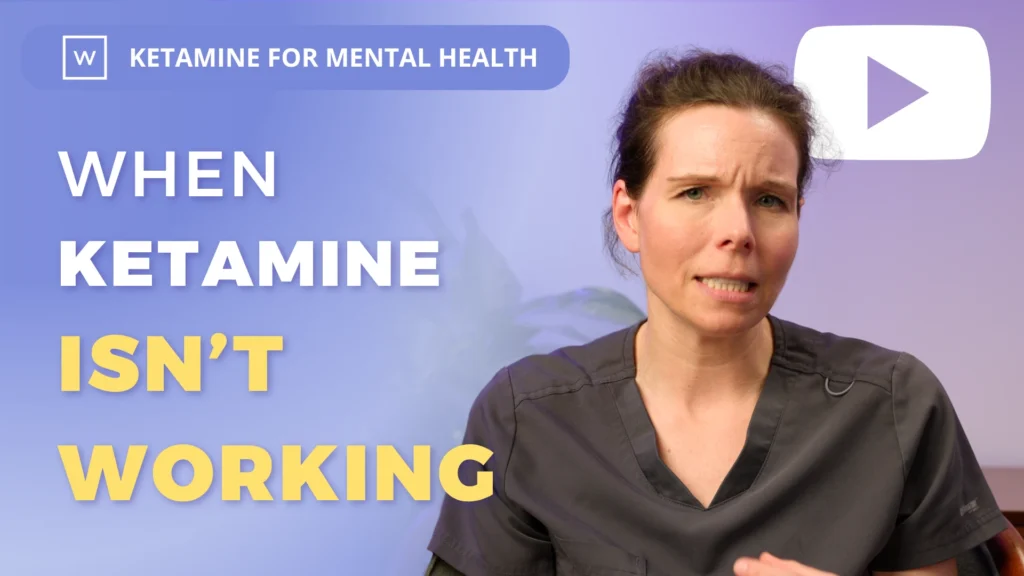
Whether you’re just starting treatment or have been going for a long time, there are some reasons why you may not be seeing the efficacy you expect from treatment.
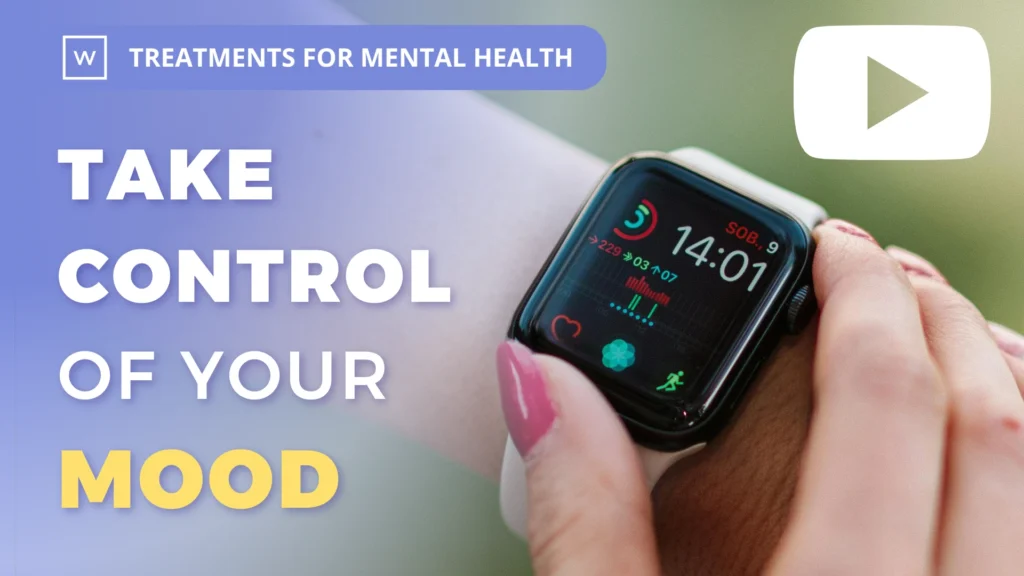
Sleep quality, heart rate variability, and blood sugar are important factors in mood and mental health. Tracking these metrics and optimizing them can help you stay on top of your mood.
It’s not easy to change your negative thoughts to positive ones, but it can be helpful to just bring things to neutral.
Challenging life circumstances can bring about emotions that echo the experience of depression. Understanding the differences can help you utilize the right tools for your circumstance.
Many people see colors during their ketamine infusions. What these colors are, and how they change over treatment, can offer interesting insight.

There are many ways to administer ketamine to the body, but the best way to do it is through an IV.
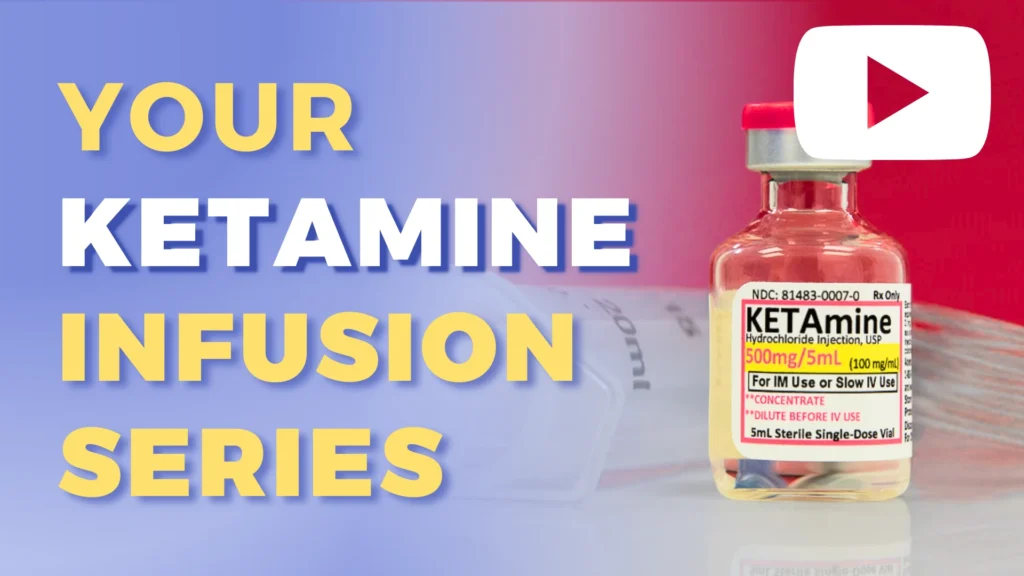
Ketamine treatment starts with a series of 6 infusions. Here’s what you can look out for after each infusion, and some of the ‘homework assignments’ we give at each appointment.
We welcome you to bring things that you find comforting or useful to your ketamine infusion appointment.
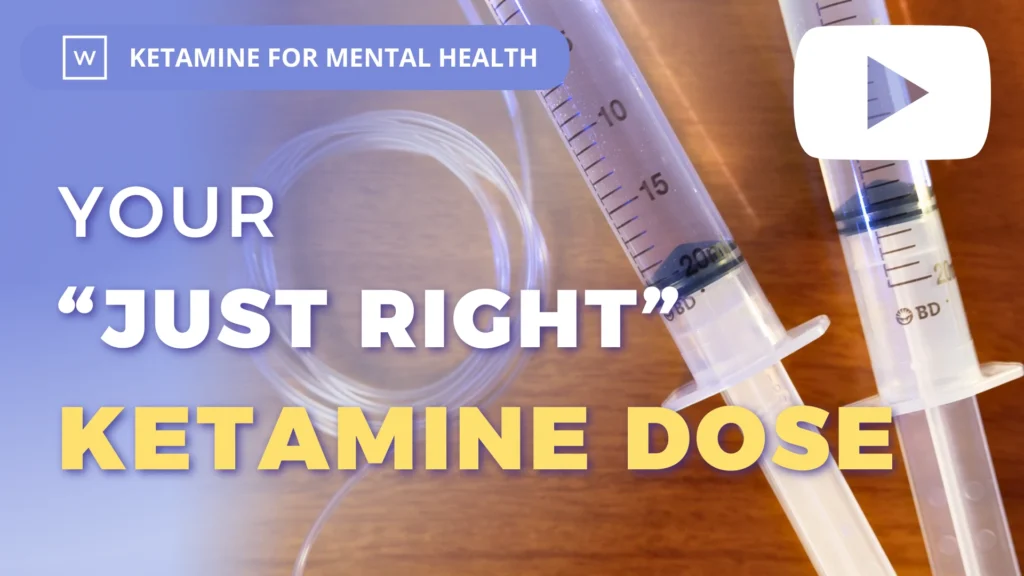
We work from the standard weight-based ketamine dose to find the optimal dose for each individual patient — not too much and not too little, but just right — toward the best possible results.
Music can help set the tone of your ketamine infusion. Here are recommendations from our patients.
When you’re struggling to navigate your response to a challenging circumstance, it can be helpful is to model your behavior after someone you trust.

Grief is hard — and it often feels like there’s a push to hurry and ‘get over it’. Taking a look at how other cultures handle grief can help us understand how to better navigate it.
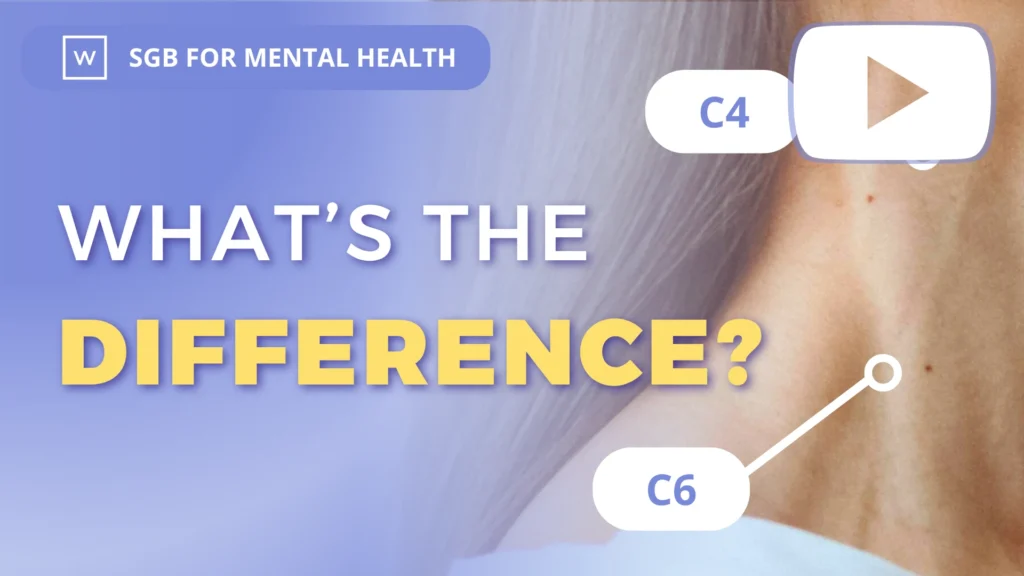
A Dual Sympathetic Reset is a Stellate Ganglion Block with two targeted injections.
Vitamin B may be helpful in reducing symptoms of some mental health conditions, including autism, depression, and anxiety — but is it curative?
This Way Up is well-researched, covers a range of useful areas, and is free to patients at Wells Medicine.
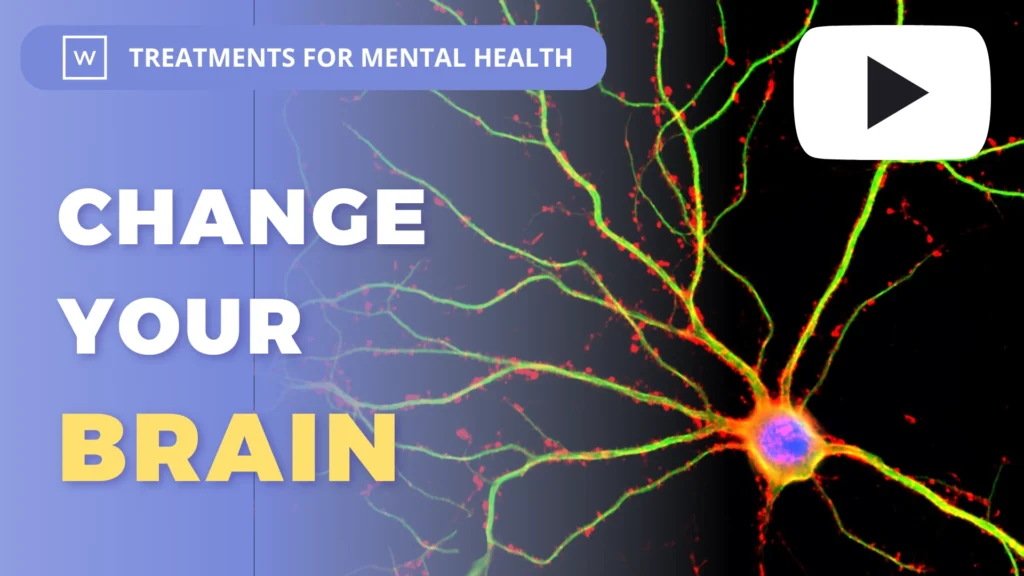
Your brain is remarkably flexible. Both ketamine treatments and TMS promote neuroplasticity — a state where the brain becomes more malleable and receptive to change. This creates a powerful window of opportunity to accelerate improvements in your mental health.

Esketamine, the active ingredient in Spravato, makes up half of racemic ketamine, which is used in most other ketamine treatments. While both medications are used to treat mental health, they have different levels of effectiveness.

A tug of war requires two parties. Evaluate the resistance you give to relationships or situations in your life and see if you might benefit from just dropping the rope.

Ketamine’s potential impact on the bladder can be real, but you shouldn’t see it from clinical IV infusion use. When administered appropriately, ketamine is a safe and effective treatment for mental health with minimal side effects.
The “war on drugs” resulted in a great stigma against psychedelic medications, including ketamine, and stalled medical research and progress in treating mental health.

The way you think about treatment may influence the benefit that you see from it. The placebo effect is real, and can be strong, and affects all kinds of interventions. Positive expectations may help maximize your results.
Alcohol affects your physical and mental health. Even a drink or two can have an impact on your body and mood for days.

The amount of time we spend on screens can have a negative impact on our mood and well-being. Reducing screen time can support good mental health.

Labels or diagnoses can be very helpful for understanding yourself, but they may make it difficult not to feel broken and may make it harder to distinguish what is ‘normal’ struggle.

Drinking alcohol impacts your mental and physical health. Even in small quantities, alcohol can influence your mood for days.

Finding motivation can be difficult — sometimes it can be extraordinarily difficult. One strategy that can help is to make small tasks non-negotiable.

This mindfulness exercise helps with goal setting — with setting attainable goals and with how to avoid being overwhelmed by the steps it takes to accomplish those goals.

Ketamine treatment can rapidly and effectively treat anxiety and depression for many people. However, it works best as part of a holistic approach to improve and sustain results.

This mindfulness exercise may help particularly when we feel alone in our struggles — reinforcing our connection to a larger community.
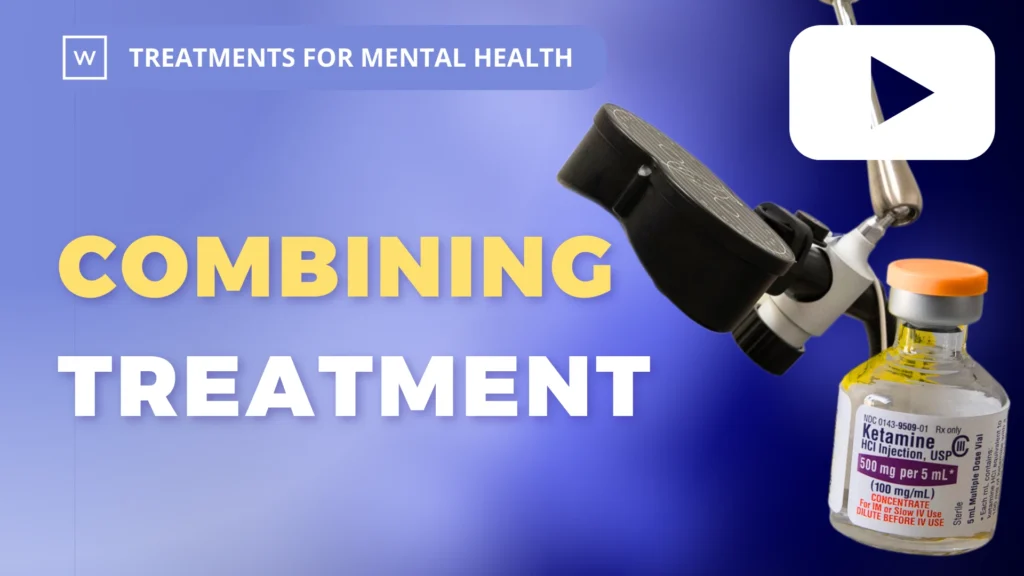
CTK, or Combined TMS and Ketamine treatment, may increase the benefit you can see from either treatment alone.
This mindfulness exercise helps us understand our own importance and the influence that we have on those around us (and them on us), using the visualization of glow-in-the dark paint.

Questionnaires we administer in the clinic — and the ones you take between visits on your own — can be helpful in tracking your progress and planning your treatments.
What if you’re looking for an interventional mental health treatment that seems like something we might offer, but isn’t listed as one of our provided treatments? We may still be able to provide it for you.
People of all ages may benefit from interventional treatments for mental health, but there are some extra considerations for children and teenagers, and for much older people as well.
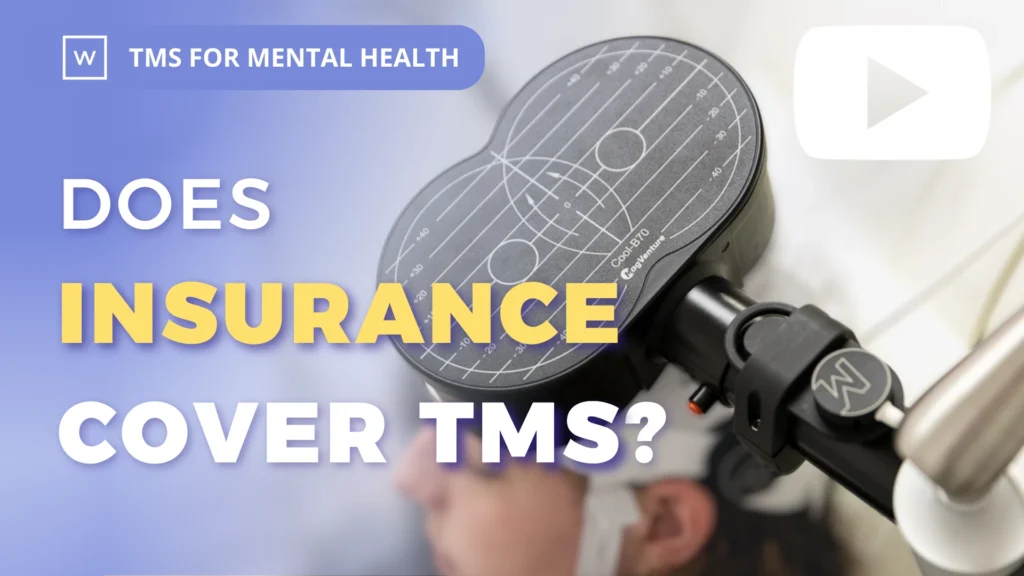
Insurance covers TMS in some cases but coverage is limited. Insurance is unlikely to cover advanced protocols, rapid treatments, complex cases, off-label indications, or other conditions and indications. A direct patient care model can offer the best available approach to TMS without insurance.

Thoughts or feelings associated with trauma don’t typically surface during a ketamine infusion, unless you choose to actively bring them up. And, overall, ketamine can be a good option for PTSD, CPTSD, and other conditions or symptoms of trauma — by themselves or with other treatments such as SGBs.
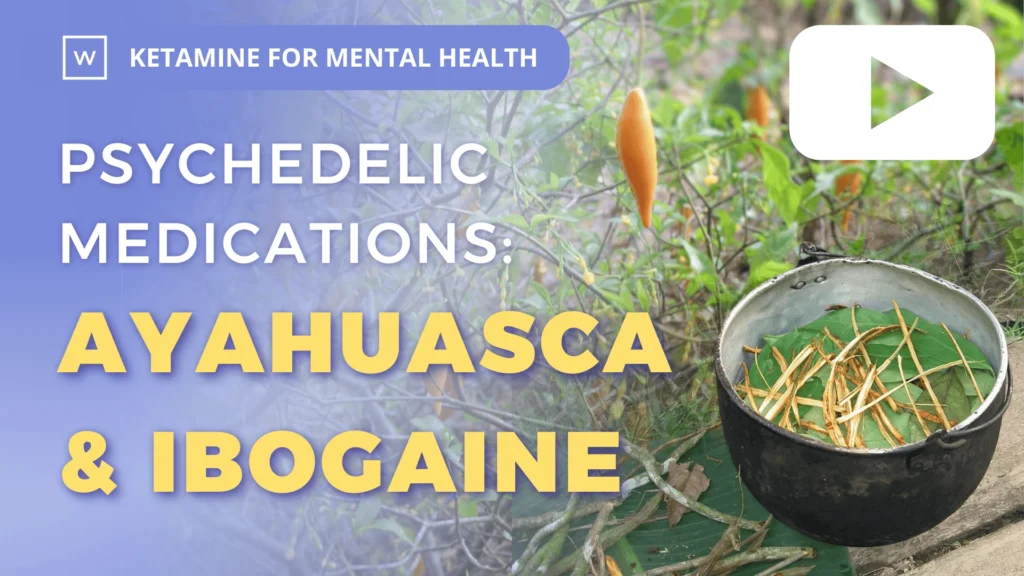
Patients often ask us about psychedelic medications beyond ketamine. Here we review two other psychedelics — ayahuasca and ibogaine.

Psilocybin is a psychedelic medication that holds promise for mental health treatment. It has some notable differences from ketamine

From primary research, through work in anesthesia – Dr Allison Wells’ background led to Wells Medicine and extends through our work toward the best available interventional mental health care for our patients.

For ketamine treatments, we ask that you refrain from driving after treatment, which means you’ll need a ride home following your appointment. For most other treatments at our office, you may drive yourself after your appointment.
Stimulants – including caffeine, nicotine, and stimulant medications – can decrease restful sleep and impact mood as a result.
There are several good reasons to avoid eating or drinking before a ketamine treatment — including what we call ‘the burrito effect.’

Each psychedelic feels different, and ketamine is generally associated with visual sensations. The feeling or vibe is highly malleable and affected by all manner of things — especially music during an infusion.

Can you bring someone with you to your appointment? Yes — and their presence during treatment is up to you.
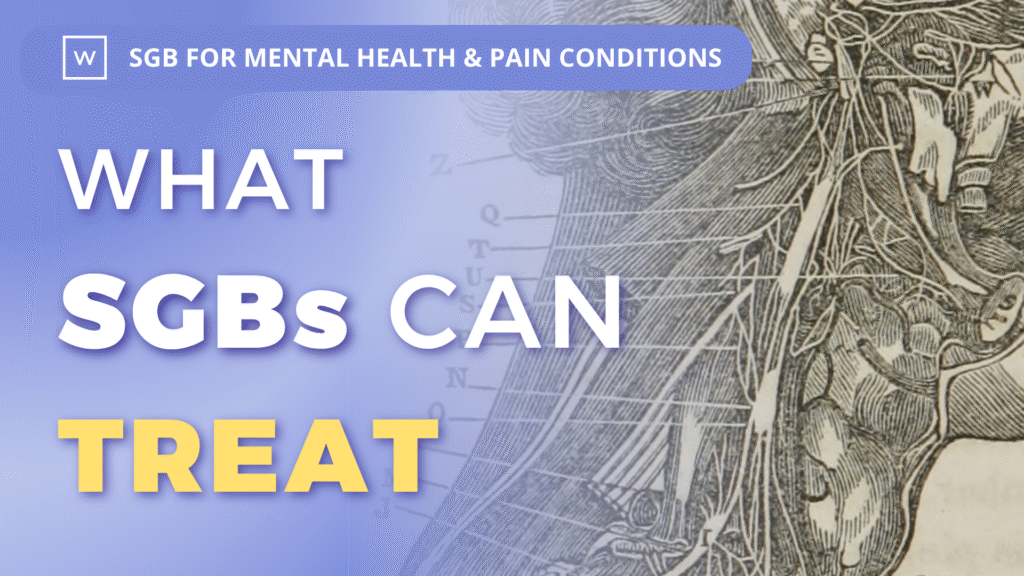
The Stellate Ganglion Block – also called SGB, sympathetic nerve reset, dual sympathetic reset, or sympathetic block – targets the sympathetic nervous system. Often employed for pain relief, stellate ganglion blocks have increasingly been used for PTSD and other mental health conditions with fast-acting and impressive results.
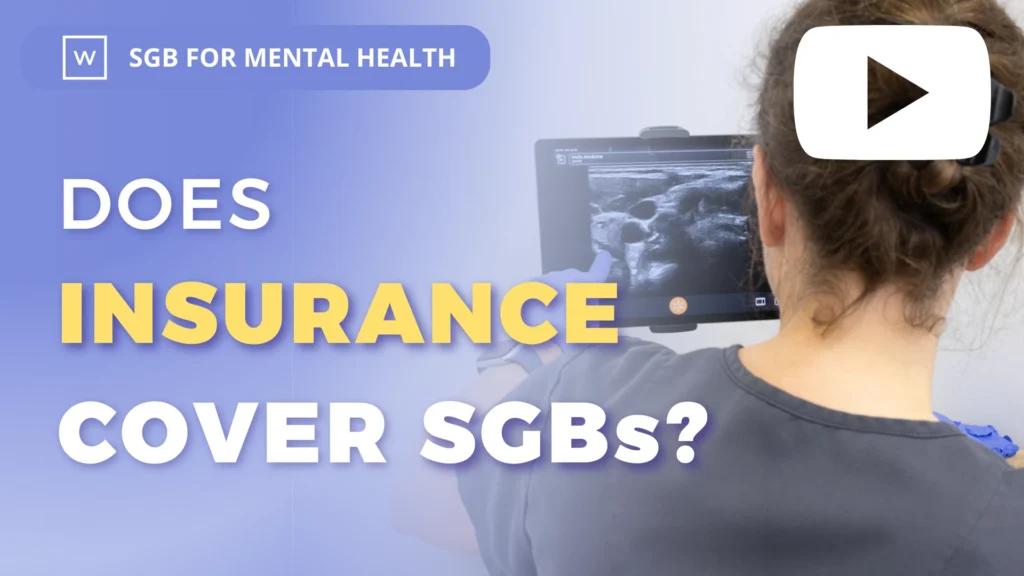
Insurance does not generally cover stellate ganglion blocks for mental health. The procedure is well established, but generally only covered for use in pain conditions (and even then it may not be consistently covered). It remains an excellent treatment option — especially considering its effectiveness and durability.
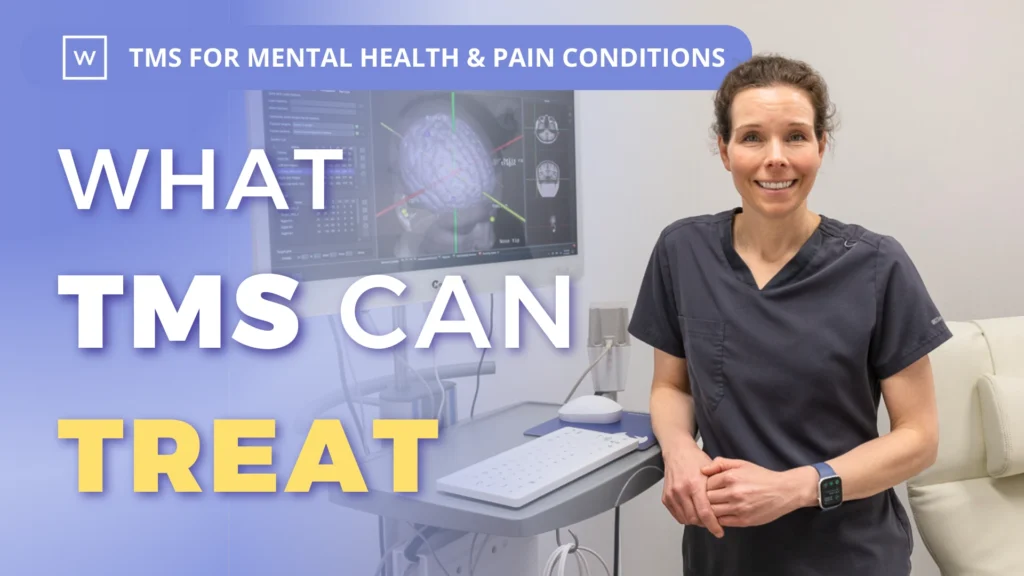
TMS leverages sophisticated equipment and targeted protocols to deliver great results for depression, anxiety, OCD, and other conditions. Growing fundamental and clinical data support more ways to help more people with a wider range of conditions and symptoms.
TMS can be an excellent option for many people, often providing good results even when other treatments may not have worked.

One-Day TMS is a form of accelerated TMS that condenses treatment down to a single day. Early research points to excellent and durable results.