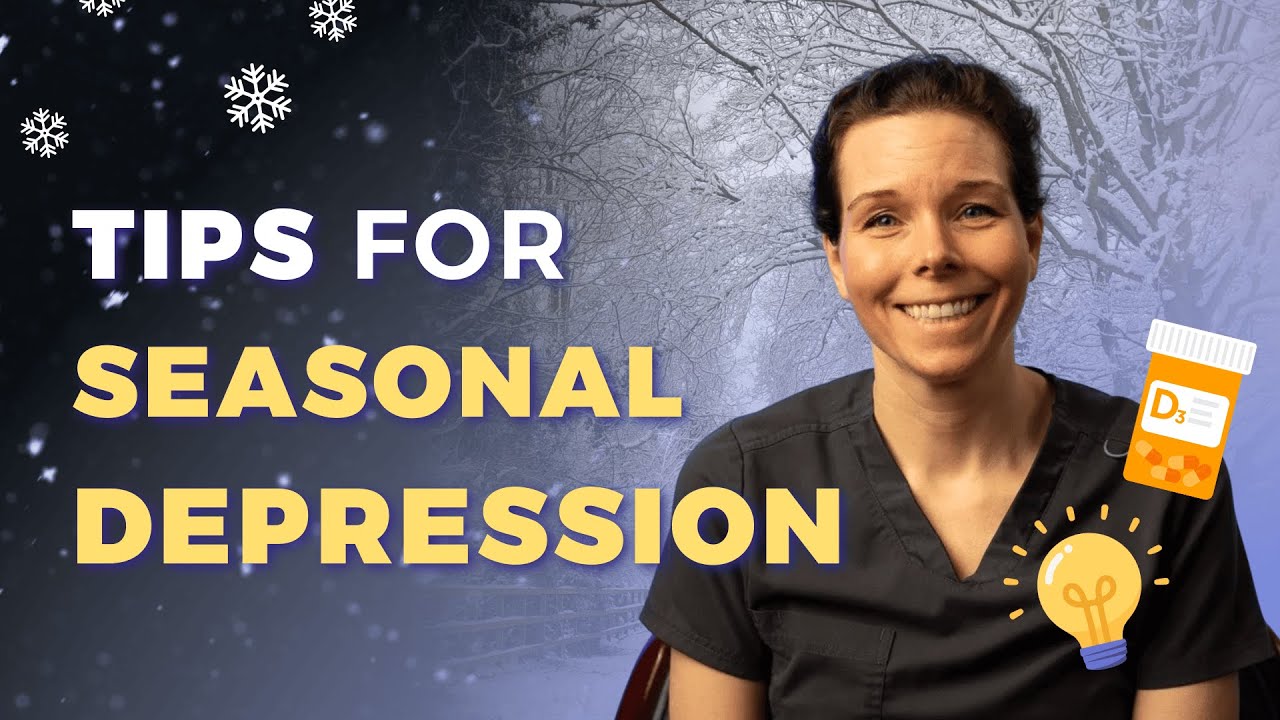
The arrival of winter can sometimes bring with it Seasonal Affective Disorder. Techniques including vitamin D supplementation, light therapy, and a perspective shift around the winter season can help you get through the colder days.
Seasonal Affective Disorder
Seasonal Affective Disorder, aptly shortened to SAD, is a form of depression that is characterized by its recurrent seasonal arrival, commonly around the winter season.
There are many factors that can contribute to SAD, including the arrival of winter holidays such as Thanksgiving, Christmas, and Hanukkah — which often bring with them difficulties, regardless of the joy that these holidays may also provide — and reduced access to sunlight that comes with daylight savings and shorter days during the winter.
Coping Strategies
Vitamin D
It is always a good idea to have your vitamin D levels tested, especially if you experience SAD. To combat vitamin D deficiency that comes along with the winter season, we suggest taking 5,000 IU of vitamin D.
This can be 1,000 IU taken consistently on a daily basis, or 5,000 IU taken a couple of times per week. It is important to always take vitamin D with fat to better ensure its absorption into the body.
Light Therapy
We also suggest looking into seasonal affective disorder lights. These are 10,000 lux lights that can easily be found at places like Amazon or in specialty stores.
Use these lights for 20-30 minutes each day, as early in the morning as possible. Sit within 2-3 feet of the lamp and avoid staring directly into it. This is a good opportunity for a relaxing morning activity, like reading or doing crossword puzzles.
Even more than SAD lamps, we encourage getting outside. Even on a cloudy, overcast day, the outdoors are often brighter than 10,000 lux. Whenever possible, we suggest going outdoors for 20-30 minutes each day — preferably walking, and similarly as early in the morning as possible.
Rethinking the Winter Season
It may also be helpful to reconsider how you view and spend your time during the winter season.
Humans have a natural life’s rhythm. The point of many religious holidays in the winter, and of hibernation in animals, is to use winter as a time for resting, recuperation, reevaluation, and thoughtfulness. It may be helpful to consider winter as a season for rest and recovery — sleeping in a little more, and doing more stretching and strength work as opposed to vigorous aerobics. It may be a time for more thought work, inside work, and creativity.
Particularly with the coming of a new year, winter may also be an opportunity for reflection and to evaluate what changes you may need to make in your life — determining what things you want to give up, and what things you want to add into your life.
Vitamin D supplementation and light therapy, along with a perspective and lifestyle change to suit the winter season, may be effective in helping reduce the experience of Seasonal Affective Disorder.
About Us
Wells Medicine is a Houston-based practice designed to provide meaningful care for mental health. Providing targeted interventional treatments for Depression, Anxiety, OCD, PTSD and other conditions, with Ketamine Treatments, Stellate Ganglion Blocks, TMS, and Nitrous-Oxide Treatments. Focused on comprehensive care and integration with Psychiatry, Psychology, and Support Services. We are evidence-based, patient-focused and mission-driven.
The content here is for informational purposes and should not be relied upon for medical decisions. For the details of your specific medical conditions and treatments consult your doctors or other qualified healthcare professionals.