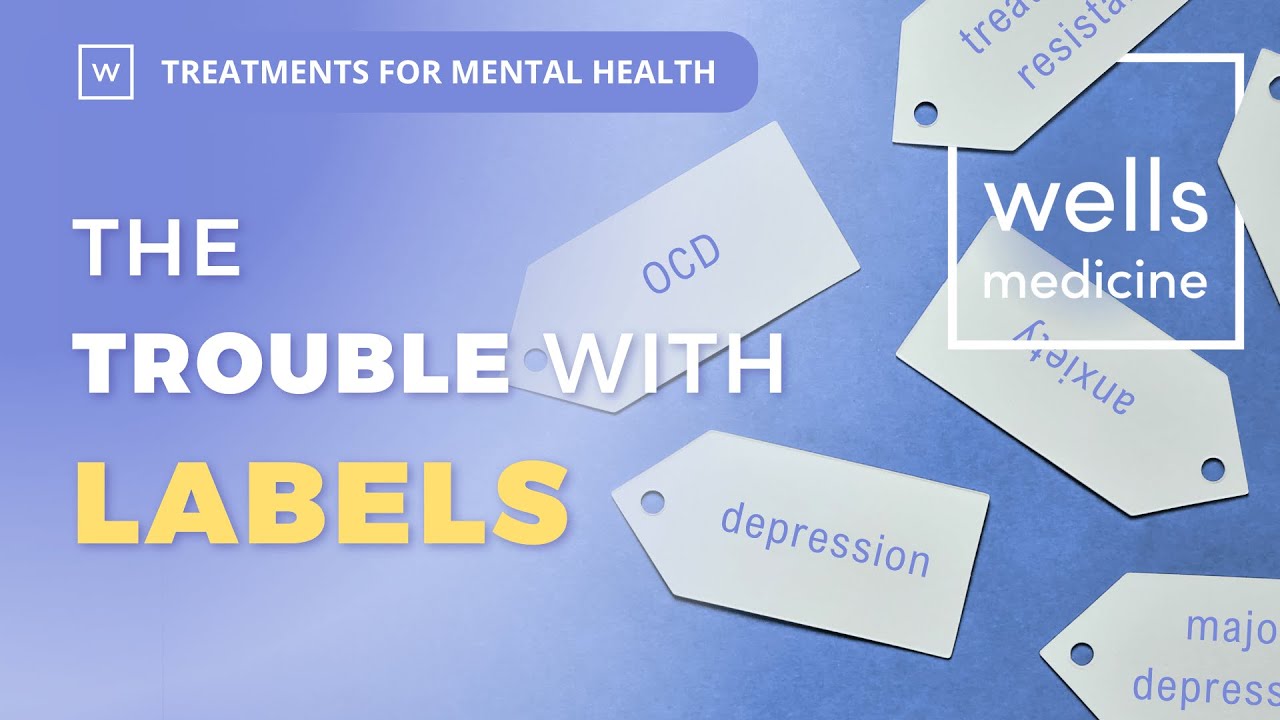
Labels or diagnoses can be very helpful for understanding yourself, but they may make it difficult not to feel broken and may make it harder to distinguish what is ‘normal’ struggle.
The value of a label
For some people, having a label or a diagnosis can be very helpful.
We’ve seen patients receive diagnoses that changed their lives. Suddenly, all of the pieces fit together. They gained insight into why some medications hadn’t worked in the past, for instance, or why they had struggled with some relationships.
Labels can be a valuable resource for better understanding ourselves, and for communicating more effectively with providers.
Despite the potential benefits, these labels or diagnoses can sometimes box us in. They may make us feel broken, and they can limit our ability to see our symptoms in context.
You are Not Broken
For some patients, once they have a diagnosis, especially when they’ve had it for many years or have received multiple diagnoses – such as depression, but also treatment-resistant depression, and also a personality disorder – it can become difficult for them to not feel like they’re broken.
We stress to patients that any one of us may have multiple diagnoses — but that does not mean we are broken.
A person with diabetes may have to be on medication, to watch their diet, and may carry their diagnosis with them for the rest of their life – but that does not mean they are broken.
We would rather this patient say “I am a person living with the illness of diabetes,” than to say “I am diabetic, and I am forced to do all of these things in my life because I’m broken.”
It’s Not All Due To Your Diagnosis
Labels can make it difficult to distinguish between the times when you are struggling due to a mental health condition, and when you are struggling because of an appropriate and expected response to a situation in your life.
Sometimes, a patient who has been doing well for a long time will come in and tell us that the ketamine treatments or the TMS aren’t working any more, or that they need a new stellate ganglion block. After sitting and talking with them, we’ll discover that a significant component of why they aren’t doing well is because something very difficult is happening in their life right now — they’ve lost a pet or a loved one, for instance, or recently experienced something frightening, or are facing a major life change such as a job transition.
These are scenarios where anyone — regardless of diagnosis — would struggle. Even though these are very typical feelings for the situation, having those feelings can be a struggle for patients who have dealt with anxiety, depression, or PTSD in the past because it makes them feel as if their condition is coming back in force.
They may think that the primary reason they feel so bad is because they struggle with mental health, without also recognizing that it would be a very difficult time for anyone in their situation. While one can contribute to the other, and there can be a great deal of overlap, it can be useful to see that not all our struggles are attributable to our diagnosis.
To use diabetes as a metaphor again: A person with diabetes may think to themselves, “Well, everyone else can eat five donuts, but I’m broken. I have diabetes,” rather than recognizing, perhaps, that “A typical pancreas probably wouldn’t appreciate five donuts either. I bet that person would actually feel quite awful if they ate five donuts.” There can be a tendency to say, “Well, I bet a person without my diagnosis wouldn’t be struggling with this.” However, there are periods in life that are going to be a struggle regardless of your mental health diagnosis.
These times of significant stress may not always be the best times to increase medications or treatments. Instead, it may be most appropriate to reinforce conventional coping strategies anyone might rely on, such as connecting to other people who are going through similar struggle, for example, a grief support group. This is a good time to be very intentional about optimizing sleep, going for more walks and exercising, and to focus on taking care of yourself.
About Us
Wells Medicine is a Houston-based practice designed to provide meaningful care for mental health. Providing targeted interventional treatments for Depression, Anxiety, OCD, PTSD and other conditions, with Ketamine Treatments, Stellate Ganglion Blocks, TMS, and Nitrous-Oxide Treatments. Focused on comprehensive care and integration with Psychiatry, Psychology, and Support Services. We are evidence-based, patient-focused and mission-driven.
The content here is for informational purposes and should not be relied upon for medical decisions. For the details of your specific medical conditions and treatments consult your doctors or other qualified healthcare professionals.