
Dealing with trauma during ketamine treatment

Dealing With Trauma During Ketamine Treatment

Thoughts or feelings associated with trauma don’t typically surface during a ketamine infusion, unless you choose to actively bring them up. And, overall, ketamine can be a good option for PTSD, CPTSD, and other conditions or symptoms of trauma — by themselves or with other treatments such as SGBs.

Will ketamine bring back your trauma?

A common concern for patients is that ketamine treatments will bring up past or current trauma.

This doesn’t happen that often. This isn’t to say that it is not possible, but with careful administration, quiet music, and a comfortable and controlled atmosphere, unless patients have a specific intention of revisiting their trauma — if they journal or mediate on it, or if they work with their therapist with an intention to explore it — ketamine is primarily a floaty and comfortable experience.

We do have some patients who choose to engage in the work of consciously bringing up their trauma to work through it. We are happy for patients to use our clinic as a space to do this, but suggest that they also have therapy within a couple days of the ketamine treatment so they can have assistance with processing these memories. We highly suggest working specifically with a trauma-informed therapist — or a therapist who has specialized training in trauma.

When Trauma Comes Up During Treatment

Whether intentional (or less often, unintentional), if memories or thoughts of trauma come up with treatments there are some good options to deal with it:

  • Address your thoughts or response to trauma the way you normally would – using coping strategies that work for you.
  • If you’re in the office, and need help, talk with us – we have tools to help.
  • Take comfort that you are in treatment. Ketamine infusions can help directly with symptoms of trauma, including PTSD and CPTSD.
  • The time around the infusions can also be excellent opportunity to explore new and productive ways to engage with your trauma – use the window of neuroplasticity after a treatment for processing and other useful work.
  • This is great time to work with a therapist – either to extend the work you’ve been doing, or to start with a new therapist.
Ketamine Can be A Good Option for Treating Trauma

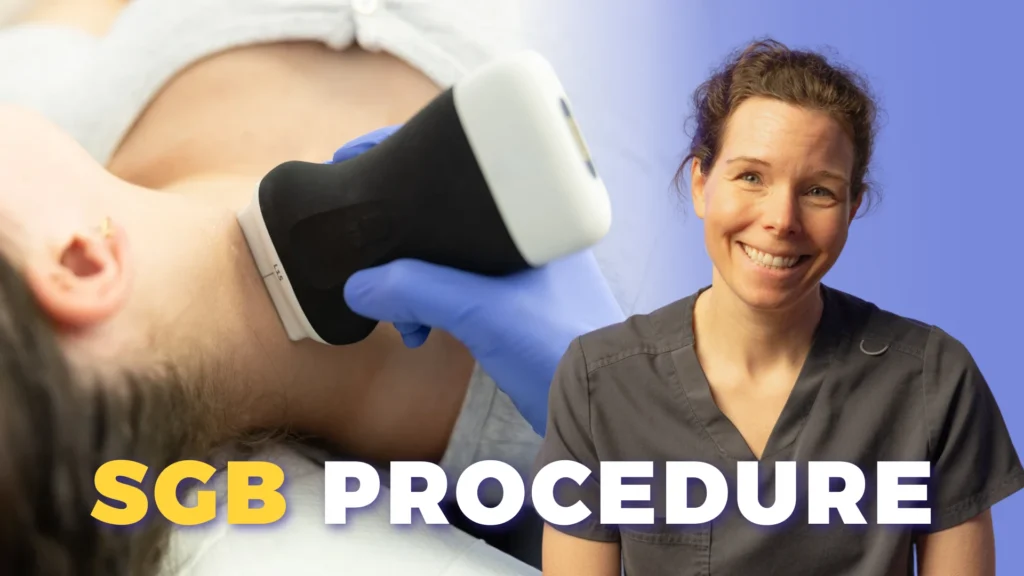
Good interventional options for treating trauma, specifically, such as PTSD and CPTSD, include ketamine infusions and stellate ganglion blocks (SGB). Many patients will ask us what our best treatment is for trauma or PTSD. If a patient is primarily experiencing physical symptoms of PTSD or trauma, stellate ganglion blocks may be a good option. If a patient’s PTSD is comorbid with symptoms of depression, anxiety, or OCD, we are far more likely to suggest ketamine as treatment.

Combining Interventional treatments

Some people have a stellate ganglion block and then go on to do ketamine infusions. A stellate ganglion block and ketamine infusion can even be done within the same day. Combining treatments can be a great option for some people who experience both physical symptoms of trauma or anxiety alongside other mental health issues, such as more chronic symptoms of depression, for instance.

About Us

Wells Medicine is a Houston-based practice designed to provide meaningful care for mental health. Providing targeted interventional treatments for Depression, Anxiety, OCD, PTSD and other conditions, with Ketamine Treatments, Stellate Ganglion Blocks, TMS, and Nitrous-Oxide Treatments. Focused on comprehensive care and integration with Psychiatry, Psychology, and Support Services. We are evidence-based, patient-focused and mission-driven.

The content here is for informational purposes and should not be relied upon for medical decisions. For the details of your specific medical conditions and treatments consult your doctors or other qualified healthcare professionals.