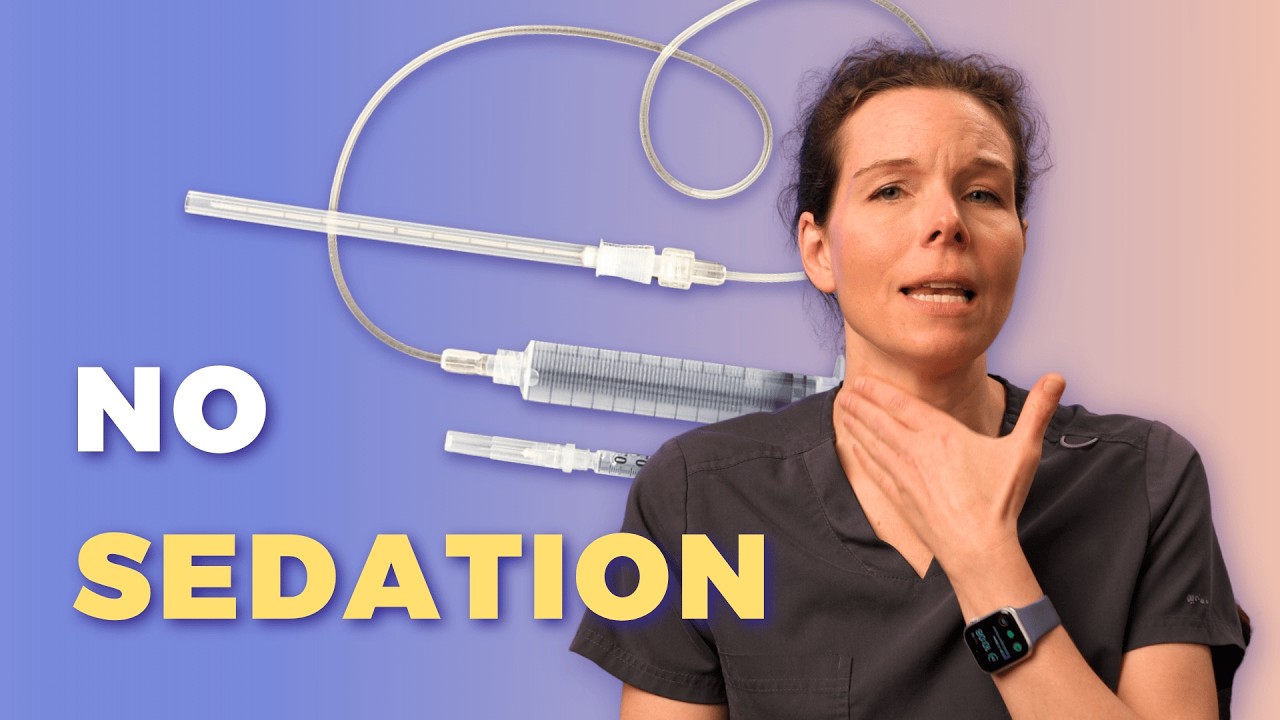
We don’t use sedation to administer stellate ganglion blocks. Here’s why you don’t need sedation, and what we do to make the procedure as comfortable as possible.
A stellate ganglion block (SGB), sometimes called a dual sympathetic reset (DSR), is a procedure that can be used to treat the hypervigilance and heightened ‘fight or flight’ response that is associated with anxiety and PTSD.
Appointments for a stellate ganglion block last about an hour. The majority of that time consists of your consultation with the doctor, who will explain everything you need to know about the procedure before getting started, and the 30 minute observation period following your stellate ganglion block.
The procedure itself only takes around five minutes.
Your SGB procedure
The longest part of a stellate ganglion block is the use of an ultrasound machine to find the correct location for the block. While the feeling of the ultrasound gel and the pressure of an ultrasound probe against your neck may feel uncomfortable, that is predominantly what patients feel during the procedure.
Once the correct anatomical landmarks have been identified with the ultrasound, two small injections are administered with fact-acting numbing medication. When the skin is numb, a thinner, longer needle is used to administer the stellate ganglion block itself.
Many of our patients having their first stellate ganglion block are surprised by how fast and painless the procedure felt. We’ve been told that the experience feels less painful or uncomfortable than getting an IV or having teeth cleaned, and certainly more comfortable than having a filling placed.
How to make it more comfortable
We try to make to procedure as comfortable as possible.
If you have prescription glasses, you’re welcome to wear them as normal during the procedure. Similar to the dentist’s office, you’re welcome to wear sunglasses in order to limit your sensory input. You can also wear earbuds to block out sound or listen to music to give yourself something else to pay attention to.
Throughout the procedure, the doctor will explain what is happening to help distract you and work you through your fears. The sensation of the ultrasound gel and probe can also help act as a distraction.
We’re more than happy for you to bring a friend or family members with you to your appointment. We can scoot their chair close to you so that they can hold your hand, talk to, and distract you during the procedure.
We can work with you
We have had some patients who — due to trauma or anxiety around medical settings, or who already take high doses of benzodiazepines or sedatives in their everyday life — have told us that they can not have this procedure without some amount of sedation.
While we do not offer deep sedation for stellate ganglion blocks, we are able to offer lighter sedation for these patients. This includes Valium, which is taken orally and available in different strengths. If you already have a prescription for benzodiazepines or for pain medication, you are able to bring that medication with you and take it in preparation for your appointment.
If a patient continues to schedule appointments with us for stellate ganglion blocks, we find that they generally need less and less sedation with each visit because they aren’t as scared of the procedure after going through it once and seeing how minimal the experience really is.
We often tell patients — if you’re able to sit through a dental visit or getting an IV, a stellate ganglion block is often easier than that.
About Us
Wells Medicine is a Houston-based practice designed to provide meaningful care for mental health. Providing targeted interventional treatments for Depression, Anxiety, OCD, PTSD and other conditions, with Ketamine Treatments, Stellate Ganglion Blocks, TMS, and Nitrous-Oxide Treatments. Focused on comprehensive care and integration with Psychiatry, Psychology, and Support Services. We are evidence-based, patient-focused and mission-driven.
The content here is for informational purposes and should not be relied upon for medical decisions. For the details of your specific medical conditions and treatments consult your doctors or other qualified healthcare professionals.