
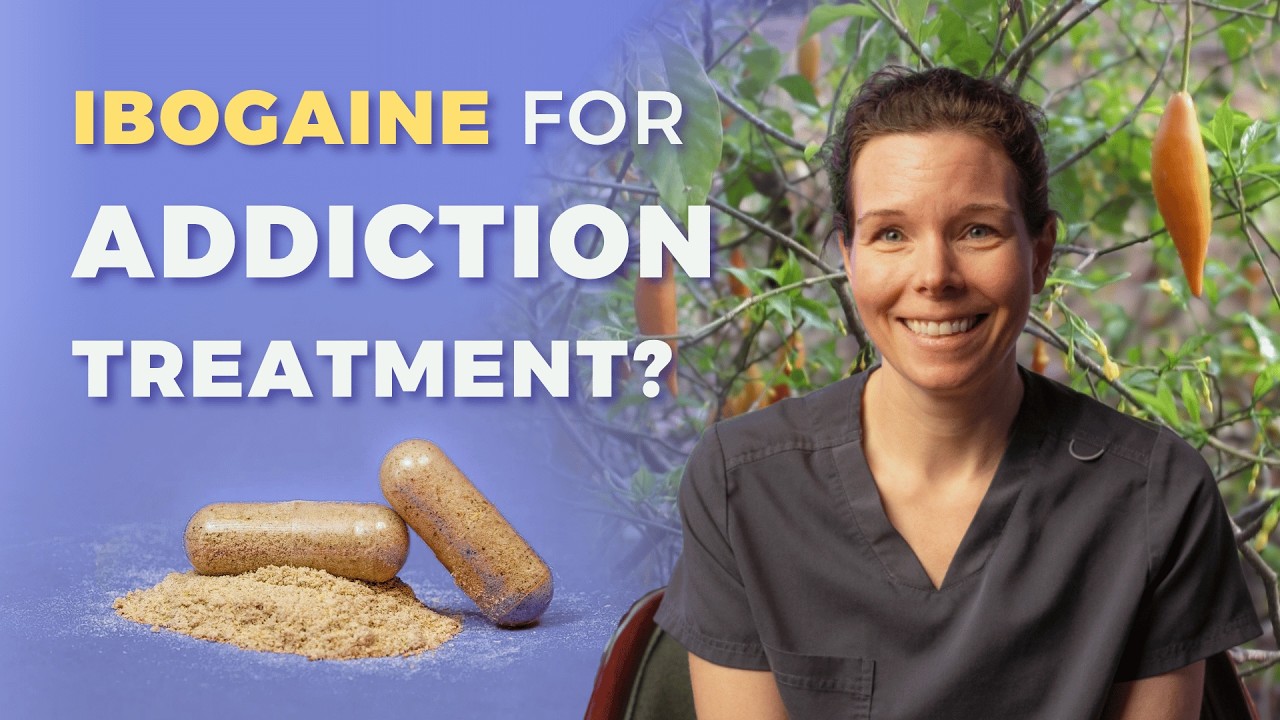
Ibogaine is a powerful psychedelic with the potential to treat mental health conditions including addiction and PTSD. Early research shows great promise, but further study is needed to make treatment as safe and effective as possible.
What is ibogaine?
Ibogaine is a powerful psychedelic substance originally derived from the iboga plant, native to western Central Africa. It has historically been used in African spiritual ceremonies to help heal the body and mind. Ibogaine is relatively new to western medicine, and early research indicates it to be effective to treat mental health conditions including addiction and PTSD.
Ibogaine creates a very long and intense psychedelic experience, lasting up to 24-36 hours or longer. Due to its intensity, and its illegal status under US federal law and in many countries, there is a lack of comprehensive large-scale research into its safety and efficacy both in clinical settings and from anecdotal reports.
However, there is a great amount of interest in further researching this substance for its potential to treat mental health.
The potential of ibogaine
Ibogaine seems to be uniquely effective specifically for treating addiction and PTSD, with some limited studies reporting as high as 90% efficacy for treating these conditions.
Because addiction and PTSD are very difficult to treat, and because there is a shortage of new effective treatments for these conditions, patients have been willing to sit through the long, intense experience of ibogaine treatment in order to find relief.
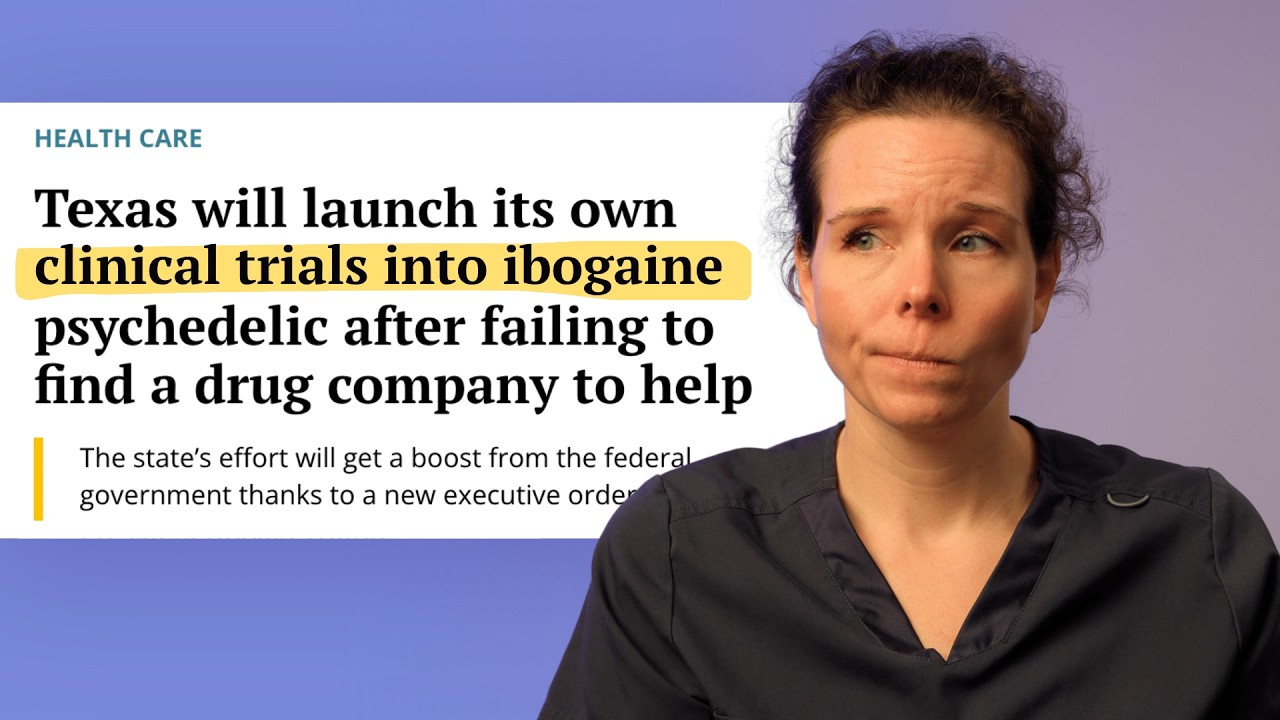
There has been an increasing interest in psychedelic medications for difficult-to-treat mental health conditions, with the approval of research initiatives into ibogaine treatment in the United States as recently as 2026. This investigation can help us determine what ibogaine treatment efficacy looks like on a larger scale, and who may benefit most from treatment.
Risks of treatment
The potential of ibogaine as a highly effective treatment is exciting. However, further research is necessary to determine how to make ibogaine treatment as safe as possible.
For psychological care, ibogaine treatment requires careful monitoring and evaluation before and after treatment. Ibogaine is often described as a very intense and dark psychedelic experience. Therapy is needed to help patients integrate what they experience and process their psychedelic journey to increase the benefit of treatment and reduce long-lasting negative consequences of the journey.
There are medical risks associated with ibogaine, as well. It interacts with many substances and medications, which requires patients to be off of medications including their SSRIs and other antidepressant or antipsychotic medications before treatment. Opioids can similarly have dangerous interactions with ibogaine, which is especially relevant to patients hoping to treat opioid addiction using this treatment.
Substances as simple as grapefruit juice can have negative interactions with ibogaine by inducing enzymes that can prolong the psychedelic experience and make it more neurotoxic and cardiotoxic.
Ibogaine can sometimes induce vomiting or diarrhea, which may put patients at risk of electrolyte abnormalities that may correspondingly increase cardiovascular risk.
It is important that patients receive a heart evaluation prior to treatment, and that they are monitored throughout, as ibogaine can cause heart arrhythmias and has resulted in complications including cardiac arrest and death.
There are also indications that ibogaine can be damaging to other neurotransmitters and neural connections, with some people experiencing Parkinsonian-like symptoms or neuromuscular conditions such as ataxia. While we hope that these effects are reversible, we require more data and further investigation to determine.
With all of these risks, it is important that research into ibogaine is conducted in a careful and structured way that prioritizes the safety of patients.
The future of ibogaine
Further research, particularly in large-scale population studies, can help us determine who is at greatest risk of ibogaine treatment, how we can effectively mitigate these dangers, and whether the risk of treatment is greater than its benefit.
We can expect to see advancements in this research in the coming years. In 2026, measures have been taken both federally and in the state of Texas in to fund research initiatives for ibogaine treatment, along with expanded patient access to ibogaine treatment through Right to Try.
Existing care
If you’re struggling with mental health, there are existing treatments that may be effective in helping you to find relief.
Ketamine is 70-80% effective in treating depression and treatment-resistant depression, and has been investigated for its efficacy in treating addiction.
Stellate ganglion blocks are 70-80% effective in reducing symptoms of hypervigilance, PTSD, and severe anxiety.
TMS is highly effective in treating depression and anxiety, with accelerated protocols as high as 90% effective for treating depression.
About Us
Wells Medicine is a Houston-based practice designed to provide meaningful care for mental health. Providing targeted interventional treatments for Depression, Anxiety, OCD, PTSD and other conditions, with Ketamine Treatments, Stellate Ganglion Blocks, TMS, and Nitrous-Oxide Treatments. Focused on comprehensive care and integration with Psychiatry, Psychology, and Support Services. We are evidence-based, patient-focused and mission-driven.
The content here is for informational purposes and should not be relied upon for medical decisions. For the details of your specific medical conditions and treatments consult your doctors or other qualified healthcare professionals.


