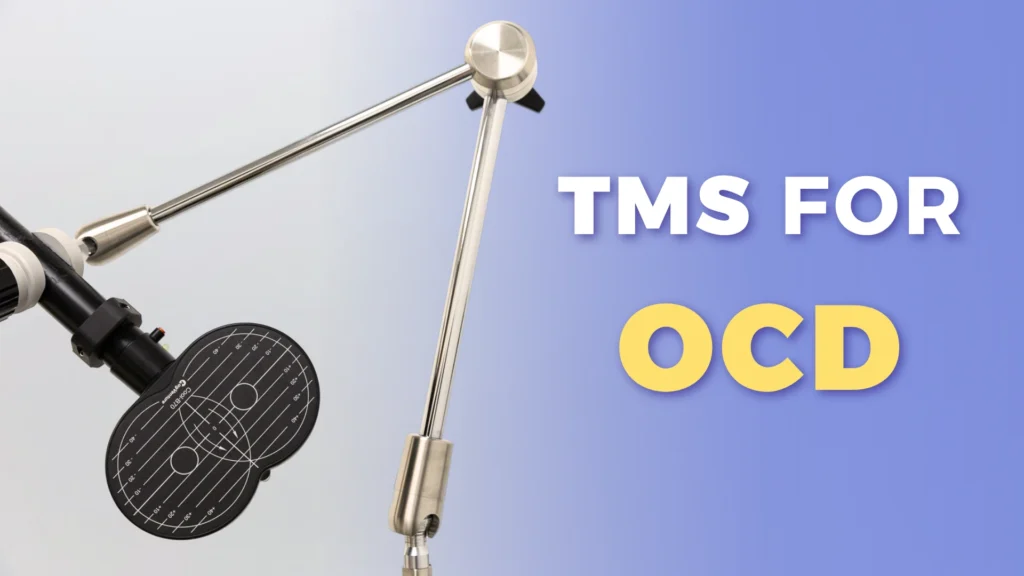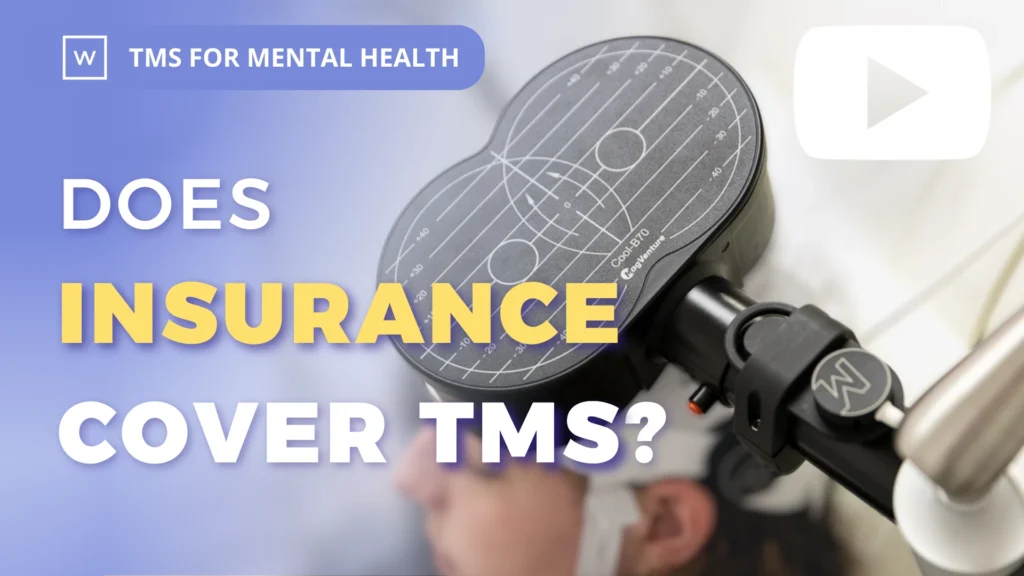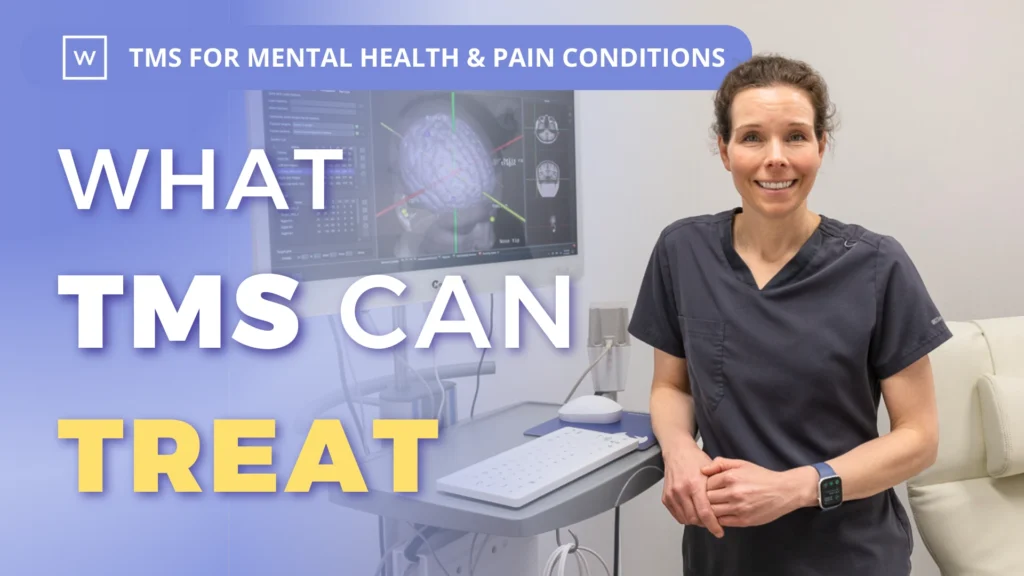
TMS leverages sophisticated equipment and targeted protocols to deliver great results for depression, anxiety, OCD, and other conditions. Growing fundamental and clinical data support more ways to help more people with a wider range of conditions and symptoms. TMS can be an excellent option for many people, often providing good results even when other treatments may not have worked.
- Depression
- Obsessive-compulsive disorder
- Anxiety
- Neuropathic pain, including localized and systemic / non-specific locality
- Bipolar I
- Post-Traumatic Stress Disorder (PTSD)
- Parkinson’s disease, for motor symptoms and depression
- Fibromyalgia
- Migraine (FDA approved)
- Motor stroke, for hand recovery at postacute stage
- Post-stroke non-fluent aphasia
- Multiple sclerosis, for lower limb spasicity
- Mild cognitive impairment
- Alzheimer’s disease, for cognitive function at mid/early stage
- CRPS type I
- Motor stroke, for hand recovery at chronic stage
- Epilepsy
- Tinnitus
- Smoking cessation
- Addiction and craving
- Eating disorders
- Schizophrenia, for auditory hallucinations and negative symptoms
- ADHD