Take advantage of neuroplasticity

Take Advantage of Neuroplasticity

Your brain is remarkably flexible. Both ketamine treatments and TMS promote neuroplasticity — a state where the brain becomes more malleable and receptive to change. This creates a powerful window of opportunity to accelerate improvements in your mental health.

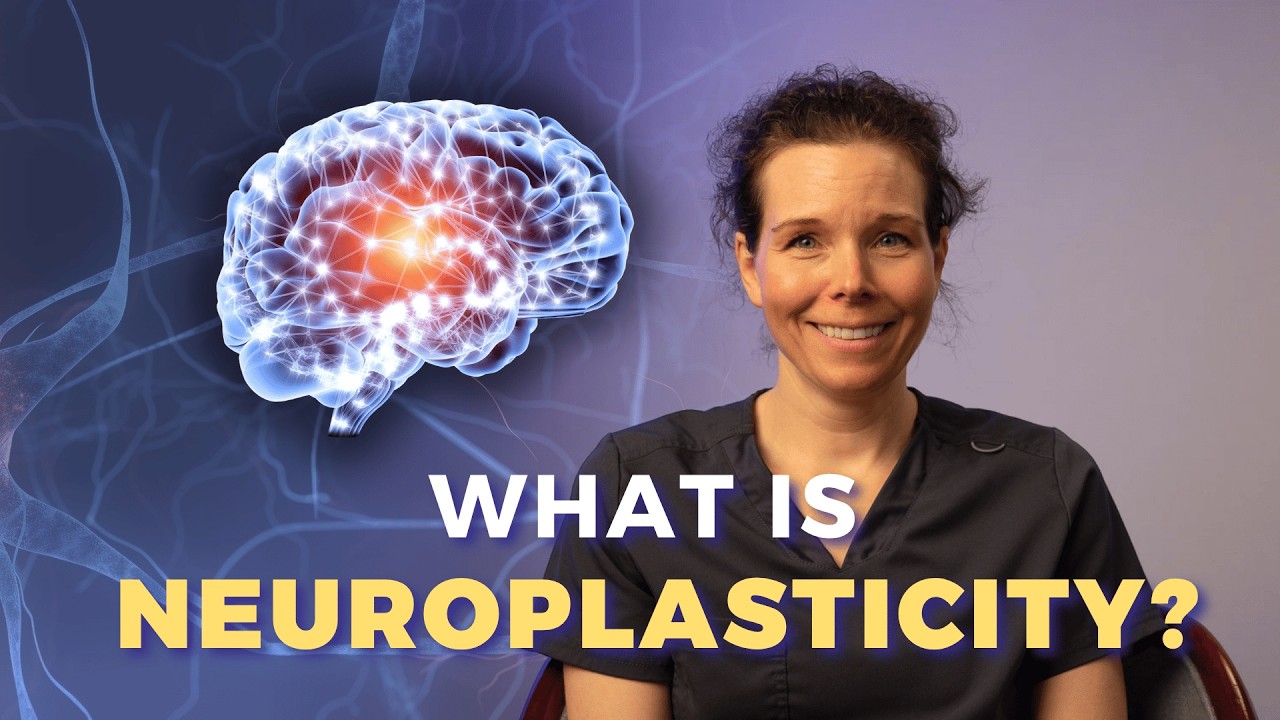
What is neuroplasticity?

  • neuro: referring to neurons, particularly the brain (which includes the vast majority of our neurons: 86 billion!)
  • plastic: referring to plasticity, or the ability to be shaped or formed

Neuroplasticity can involve multiple kinds of activity, including new neuron growth and new connections among and between neurons. It is a normal part of our body’s functioning and can increase or decrease due to all manner of factors.

Neuroplasticity is like the opposite of the phrase, “You can’t teach an old dog new tricks.” With neuroplasticity you have more flexible and healthy neural activity.

The Benefits of neuroplasticity

As we get older, ideas and habits and behaviors can become ingrained and solidified. The more that you can achieve neuroplasticity, the more that you can adopt new habits, behaviors, and changes, and the more you can get unstuck from old patterns that aren’t serving you well, or old thoughts that aren’t helping you. These patterns can include what we might call rumination loops, or fight-or-flight loops.

Recurring or looping patterns can be difficult to notice and very difficult to break out of. Like physical habits, such as nail biting, patterns of thought can become habitual.

Ketamine treatments, TMS, and other activities can increase neuroplasticity, and this may even be the primary way that these treatments help with mental health and other conditions.

ketamine and TMS increase neuroplasticity

Both ketamine treatments and TMS create a window of neuroplasticity that persists for days and weeks after treatment and which may be greatest for approximately 72 hours after treatment.

One of the reasons that neuroplasticity increases is because ketamine and TMS both increase a substance in the brain called BDNF — brain-derived neurotrophic factor. BDNF causes the stimulation or growth of neurons in the brain and the maturation, or growing up and stabilization, of those neural connections.

With low levels of BDNF, you can have Alzheimer’s, memory loss, and depression and anxiety. With high and stable levels of BDNF, you can see good mood and resilience or the abiity to handle challenges.

Using the Window of neuroplasticity

How should you take advantage of the window of neuroplasticity following a ketamine or TMS treatment?

You can do nothing in particular and are still likely see good results from the treatments. Most studies of these treatments, after all, include no other interventions while consistently demonstrating excellent outcomes.

If you’d like to improve your chances of good outcomes, you might take an active role in engaging this window of neuroplasticity. Through conscious effort, either with a therapist or through journaling or meditation, you may be able to integrate the changes you want to make in your thinking or behaviors much more easily in this fluid, neuroplastic state after treatment.

Other Ways to increase neuroplasticity

Apart from ketamine treatment and TMS, there are many things we can do on a daily basis to increase neuroplasticity.

These include:

  • Exercise
  • A diet high in antioxidants and low in processed foods and refined sugar
  • Spending time with friends and loved ones, including sexual activity
  • Exposure to sunlight and spending time outdoors
  • Ensuring appropriately high hormone levels
  • Doing things that are physically pleasurable, such as a massage or warm shower

Outside of treatment, we encourage you to bring practices into your life that may also increase BDNF and neuroplasticity.

With greater flexibility of thinking it’s about deciding what habits you would like to leave behind, and what you would like to change for the better, and how you might reinforce those habits and behaviors.

Select References

Kays JL, Hurley RA, Taber KH. The Dynamic Brain: Neuroplasticity and Mental Health. The Journal of Neuropsychiatry and Clinical Neurosciences. 2012;24(2). doi:10.1176/appi.neuropsych.12050109.

Abdallah CG, Adams TG, Kelmendi B, Esterlis I, Sanacora G, Krystal JH. Ketamine’s Mechanism of Action: A Path to Rapid-Acting Antidepressants. Depression and Anxiety. 2016;33(8):689–697. doi:10.1002/da.22501. PMCID: PMC4961540.

Wu H, Savalia NK, Kwan AC. Ketamine for a boost of neural plasticity: how, but also when? Biological Psychiatry.2021;89(11):1030–1032. doi:10.1016/j.biopsych.2021.03.014. PMCID: PMC8190578.

Kricheldorff J, Göke K, Kiebs M, Kasten FH, Herrmann CS, Witt K, Hurlemann R. Evidence of Neuroplastic Changes after Transcranial Magnetic, Electric, and Deep Brain Stimulation. Brain Sciences. 2022;12(7):929. doi:10.3390/brainsci12070929. PMCID: PMC9313265.

Sakopoulos S, Todman M. The Effects of Psychotherapy on Single and Repeated Ketamine Infusion(s) Therapy for Treatment-Resistant Depression: The Convergence of Molecular and Psychological Treatment. International Journal of Molecular Sciences. 2025;26(14):6673. doi:10.3390/ijms26146673.

About Us

Wells Medicine is a Houston-based practice designed to provide meaningful care for mental health. Providing targeted interventional treatments for Depression, Anxiety, OCD, PTSD and other conditions, with Ketamine Treatments, Stellate Ganglion Blocks, TMS, and Nitrous-Oxide Treatments. Focused on comprehensive care and integration with Psychiatry, Psychology, and Support Services. We are evidence-based, patient-focused and mission-driven.

The content here is for informational purposes and should not be relied upon for medical decisions. For the details of your specific medical conditions and treatments consult your doctors or other qualified healthcare professionals.