
Stay in the moment without losing perspective – Visualization Exercise
We believe in staying in the present moment. However, it is important to also be able to see things from a wider perspective.
We believe in staying in the present moment. However, it is important to also be able to see things from a wider perspective.

‘Happiness’ may not actually be what you are looking for after depression. Get specific, and determine what peace and contentment look like for you.
When you’re starting a new treatment, it’s a great time to review any other factors that have an influence on your mental health.
Spend 30 minutes every day to maintain your mental health. Here are some exercises you can try.

Ibogaine is a powerful psychedelic with the potential to treat mental health conditions including addiction and PTSD. Early research shows great promise, but further study is needed to make treatment as safe and effective as possible.
Just like it takes regular exercise to maintain physical health, it requires a little bit of work every day to maintain your mental health.

Sometimes you need to replace the batteries, and sometimes there is an actual fire. Emotional pain may be an indicator that there is a larger problem going on in your life that needs to be dealt with.
For those experiencing sleeplessness and anxiety, progesterone is an easy and often-overlooked medication that can be a great help during perimenopause and menopause.

New research on GLP-1 medications has found mood side effects of depression and suicidal ideation. This new data may influence the conversation of whether GLP-1 medications are right for you.

It can be difficult to follow through with doing the activities we know would be good for us. To sustain a healthy habit, make it as easy to fall in to as possible.
Treatment-Resistant Depression does not mean that your depression is inherently worse or more difficult to treat — just that you haven’t found the right medication yet.

Ozempic and other GLP-1 medications can be effective for managing diabetes and weight loss, but do they also have an impact on mood and mental health?

A simple linguistic trick can help you create distance between yourself and your thoughts, and make difficult thoughts a lot more bearable.

The end of the year can bring with it existential feelings. This is a good time of year to lean into existentialism and explore those meanings, and uncover what is valuable to you.
The holidays bring with them disruptions to your schedule and routines. It is important to protect and maintain the healthy habits that are important for your physical and mental health.

The winter holidays may also be accompanied by Seasonal Affective Disorder. These are strategies that can help with managing seasonal depression.

Returning to families of origin during the holidays can trigger traumas and re-ground your nervous system into a past, traumatic state. You have a few options in how you choose to move forward with difficult relationships.
Comparing ourselves to an idea of what the holidays “should” look like can set us up for failure and disappointment. Take a step back to consider your values and what is actually important to you.

The holidays can be difficult for anyone, even if you love the winter season. There are some common factors that can make this time of year especially difficult.
Too much of the world is focused on efficiency. We encourage you to take a moment to slow down and focus — to experience the small, mundane moments of everyday life through aimlessness.

The arrival of winter can sometimes bring with it Seasonal Affective Disorder. Techniques including vitamin D supplementation, light therapy, and a perspective shift around the winter season can help you get through the colder days.
It’s not possible to avoid pain in life completely. However, the way that we think about our pain can make a big difference in how we experience suffering.
Playing video games can be a lot of fun, but the amount of time you spend doing it can have a negative impact on your mental health.

The skills and resources you develop during treatment make you into a different person, with different ways of handling the challenges of mental health.
One of the great things about stimulants is that they give us focus and attention — but if you’re having a lot of anxiety, you may end up with more focus and attention on the things you’re anxious about.
Whether you’re just starting treatment or have been going for a long time, there are some reasons why you may not be seeing the efficacy you expect from treatment.
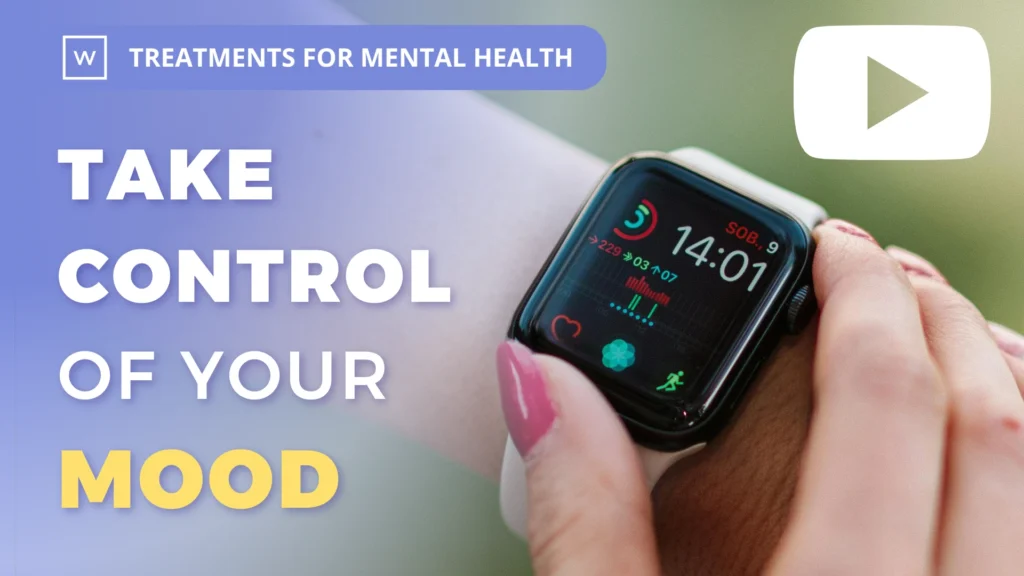
Sleep quality, heart rate variability, and blood sugar are important factors in mood and mental health. Tracking these metrics and optimizing them can help you stay on top of your mood.
It’s not easy to change your negative thoughts to positive ones, but it can be helpful to just bring things to neutral.
Challenging life circumstances can bring about emotions that echo the experience of depression. Understanding the differences can help you utilize the right tools for your circumstance.
When you’re struggling to navigate your response to a challenging circumstance, it can be helpful is to model your behavior after someone you trust.

Grief is hard — and it often feels like there’s a push to hurry and ‘get over it’. Taking a look at how other cultures handle grief can help us understand how to better navigate it.
Vitamin B may be helpful in reducing symptoms of some mental health conditions, including autism, depression, and anxiety — but is it curative?
This Way Up is well-researched, covers a range of useful areas, and is free to patients at Wells Medicine.
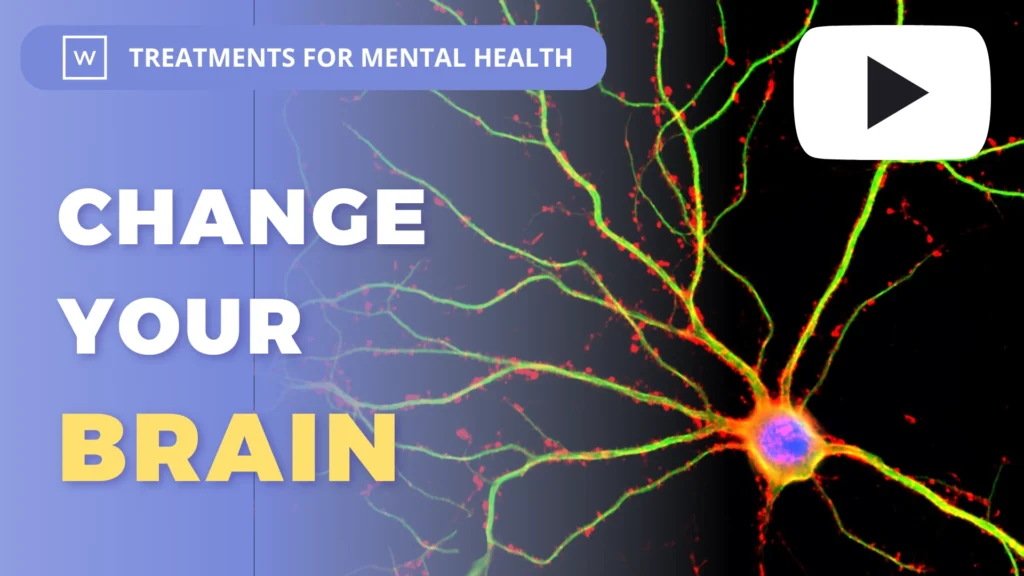
Your brain is remarkably flexible. Both ketamine treatments and TMS promote neuroplasticity — a state where the brain becomes more malleable and receptive to change. This creates a powerful window of opportunity to accelerate improvements in your mental health.

A tug of war requires two parties. Evaluate the resistance you give to relationships or situations in your life and see if you might benefit from just dropping the rope.

The way you think about treatment may influence the benefit that you see from it. The placebo effect is real, and can be strong, and affects all kinds of interventions. Positive expectations may help maximize your results.
Alcohol affects your physical and mental health. Even a drink or two can have an impact on your body and mood for days.

The amount of time we spend on screens can have a negative impact on our mood and well-being. Reducing screen time can support good mental health.

Labels or diagnoses can be very helpful for understanding yourself, but they may make it difficult not to feel broken and may make it harder to distinguish what is ‘normal’ struggle.

Drinking alcohol impacts your mental and physical health. Even in small quantities, alcohol can influence your mood for days.

Finding motivation can be difficult — sometimes it can be extraordinarily difficult. One strategy that can help is to make small tasks non-negotiable.

This mindfulness exercise helps with goal setting — with setting attainable goals and with how to avoid being overwhelmed by the steps it takes to accomplish those goals.

This mindfulness exercise may help particularly when we feel alone in our struggles — reinforcing our connection to a larger community.
This mindfulness exercise helps us understand our own importance and the influence that we have on those around us (and them on us), using the visualization of glow-in-the dark paint.

Questionnaires we administer in the clinic — and the ones you take between visits on your own — can be helpful in tracking your progress and planning your treatments.
Stimulants – including caffeine, nicotine, and stimulant medications – can decrease restful sleep and impact mood as a result.

A brief overview of DBT and resources to learn more.

A very brief overview of ACT and resources to learn more.

